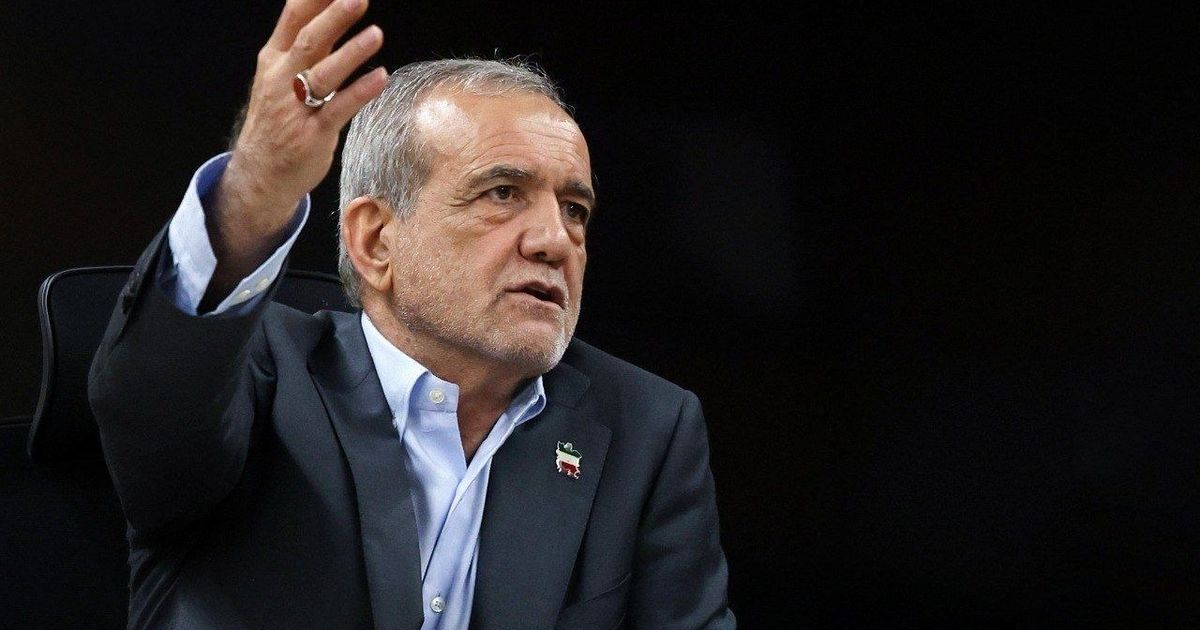
Iranian President Masoud Pezeshkian reportedly submitted a resignation letter to Supreme Leader Mojtaba Khamenei’s office, alleging the Islamic Revolutionary Guard Corps (IRGC) had seized control of government decision-making, according to Iran International, a London-based anti-regime outlet. The claim, however, was swiftly denied by government sources, with regime media calling the report a “fabrication” designed to destabilize the country. The conflicting narratives underscore a deepening crisis within Iran’s power structure, as the president’s alleged move coincides with internal strife, economic turmoil, and international diplomatic maneuvering.
Resignation Claims and Denials
Iran International, citing an anonymous official, reported that Pezeshkian’s letter accused the IRGC of sidelining civilian leadership and undermining the president’s authority. The outlet claimed the resignation was tied to disputes over wartime management and its toll on Iran’s economy and public welfare. However, the Iranian government categorically rejected the allegations. A “well-informed source” within the administration, quoted by WANA News Agency, dismissed the report as part of a “broader pattern of misinformation,” asserting that Pezeshkian “has not resigned and continues to carry out his official duties as usual.”
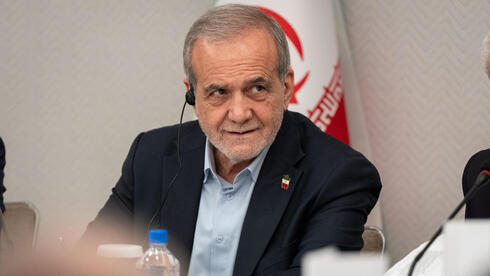
Regime-affiliated media, including Tasnim News Agency, labeled Iran International a “factory for producing lies” and accused the outlet of seeking to “sow discord” by spreading unverified claims. Pezeshkian’s adviser, Mehdi Tabatabai, echoed this sentiment on social media, calling the resignation story a “ridiculous media game” and vowing the president would “not retreat from serving the people.” Yet the timing of the report—amid internal tensions and economic strain—has amplified speculation about a rift between civilian leadership and the military.
Expert Analysis of the Crisis
Analysts assessing the situation highlight the profound implications of the alleged power shift. Former U.S. Treasury official Miad Maleki, speaking to Eye for Iran, argued that Iran’s Islamic Republic has “never been so weak” due to a confluence of military, political, and economic pressures. He noted that the regime’s military infrastructure has been “significantly damaged,” its economy is “under strain,” and public discontent has reached a boiling point. “The regime was clobbered,” added national security expert Thomas Juneau, who emphasized that Iran’s strategic reliance on proxies like Hezbollah and Hamas had collapsed during the conflict.
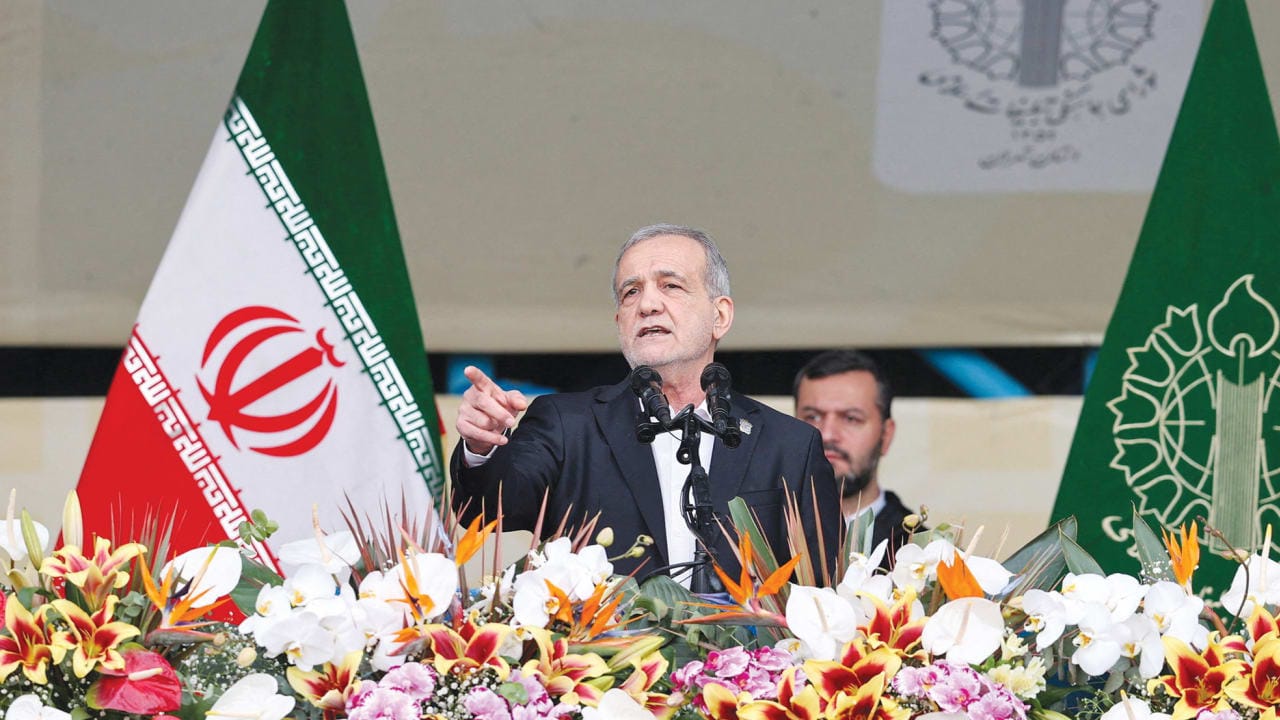
Maleki and Juneau diverged on the broader stakes of the crisis. Maleki questioned why negotiations with the U.S. were proceeding at a moment of apparent Iranian vulnerability, suggesting that such diplomacy could “delay political change” in Iran. Juneau, meanwhile, framed the conflict as a turning point, arguing that the regime’s failure to deter external attacks had eroded its foundational security assumptions. Both, however, agreed that Iran’s current position is far weaker than it has been in decades.
Power Struggle Within the Regime
The alleged resignation letter reflects a long-simmering struggle between Iran’s civilian government and the IRGC, which has increasingly dominated state affairs. According to Iran International, Pezeshkian’s government had been “effectively excluded from key decision-making processes,” with power concentrated in military hands. This dynamic has intensified amid the war’s fallout, which has devastated Iran’s economy and exacerbated public grievances. A source cited in the report linked the crisis to “the way the war was managed and its destructive consequences on the people’s livelihoods and the country’s economy.”
These tensions are compounded by the enigmatic status of Supreme Leader Khamenei, who is reportedly hidden in a “labyrinth” of couriers, with even top officials unable to contact him directly, according to U.S. officials. This opacity has fueled speculation about the regime’s stability, with some analysts suggesting that the IRGC’s growing influence could further marginalize civilian leaders like Pezeshkian.
Implications for Iran’s Future
The crisis has significant ramifications for Iran’s domestic and foreign policy. If Pezeshkian’s resignation is genuine, it would mark a rare blow to civilian leadership, potentially accelerating the IRGC’s dominance. However, the government’s swift denial suggests that the president may be leveraging the narrative to assert his position or deflect blame for the war’s consequences. Either way, the episode underscores the fragility of Iran’s political system, which has long balanced competing factions under Khamenei’s shadow.
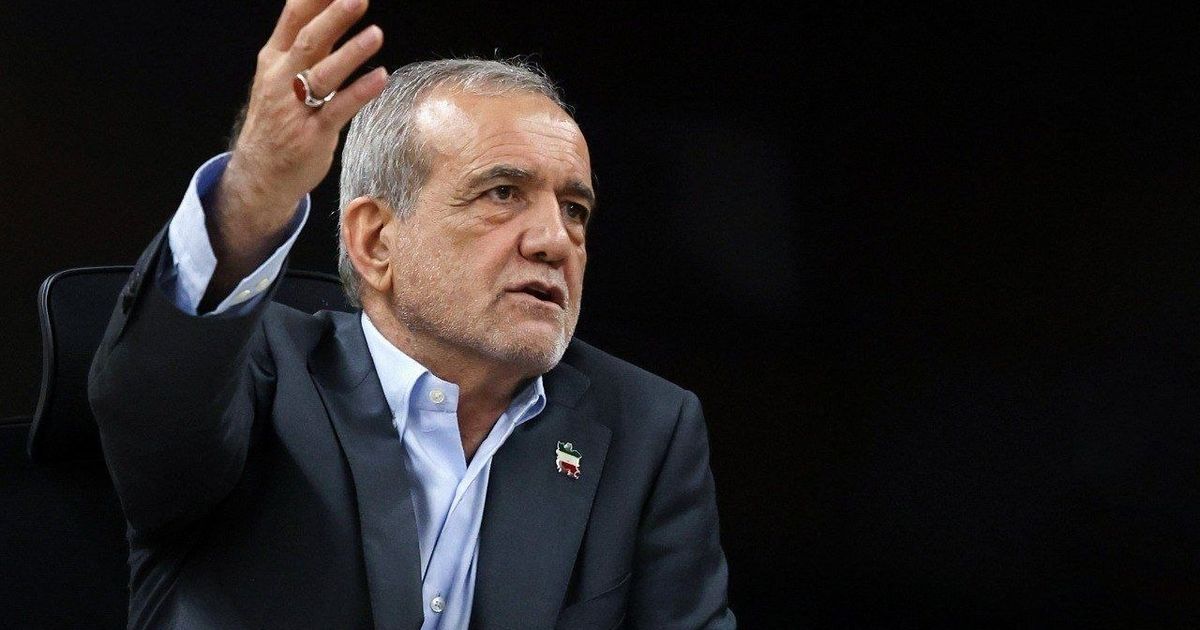
Internationally, the situation could influence ongoing negotiations over Iran’s nuclear program. U.S. President Donald Trump has signaled that a deal may be “within reach,” but the internal turmoil in Tehran could complicate diplomacy. For critics, the prospect of Iran negotiating from a position of weakness raises concerns about the long-term viability of a “free Iran.” As Maleki noted, “There’s some level of disappointment that the fact that the US is negotiating with this regime is bad for the future of a free Iran.”
As the story unfolds, the interplay between Iran’s internal power struggles and external pressures will shape the country’s trajectory. Whether Pezeshkian’s resignation is a genuine move or a strategic ploy, the broader question remains: can a regime weakened by war, economic collapse, and internal division survive the next phase of its turbulent history?
