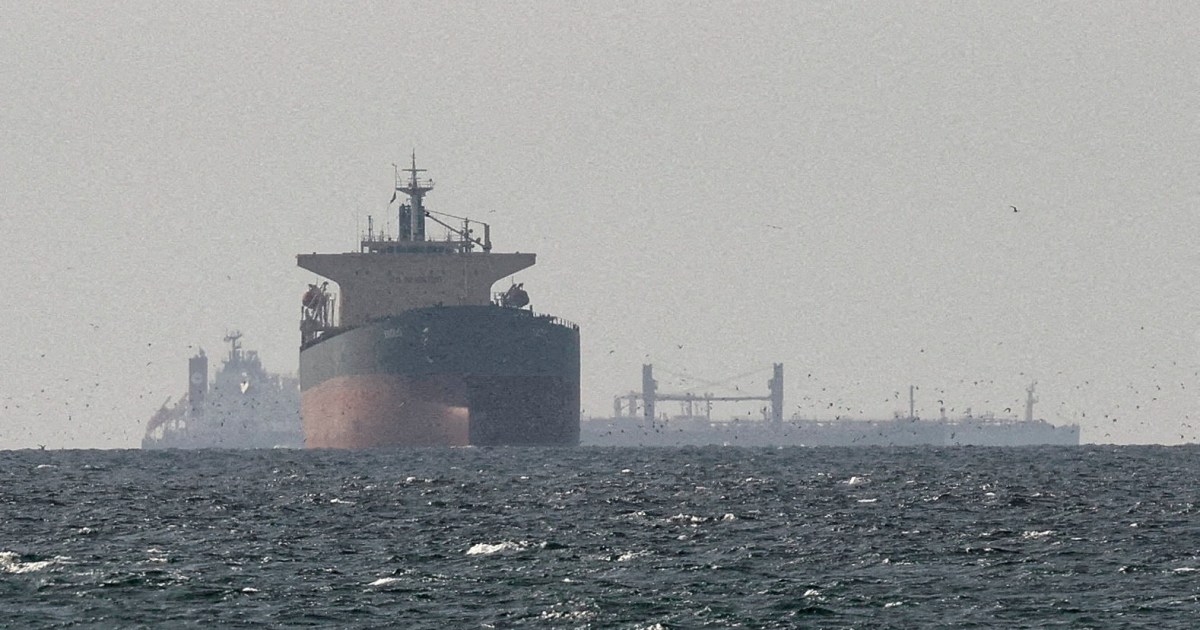
The U.S. military struck a commercial cargo ship with a Hellfire missile in the Gulf of Oman on Saturday, halting its attempt to breach a U.S.-imposed blockade of Iranian ports. The Gambia-flagged Lian Star ignored over 20 warnings before being disabled, leaving it adrift while U.S. forces awaited a response from Tehran. With tensions high and a fragile ceasefire hanging in the balance, the move underscores how far both sides are willing to go to control the Strait of Hormuz—a critical chokepoint for global oil shipments.
Blockade Escalation: Why the U.S. Targeted the Lian Star
The strike on the Lian Star marks the sixth time U.S. forces have intercepted ships attempting to bypass the blockade, which was imposed on April 17 after Iran effectively closed the Strait of Hormuz in retaliation for U.S. and Israeli airstrikes on February 28. According to U.S. Central Command, the ship ignored repeated warnings before being disabled with a missile fired into its engine room. The blockade, which has redirected 116 other vessels, aims to strangle Iran’s economy by cutting off its access to global markets—though commercial traffic has persisted at reduced levels.

The timing is critical. President Donald Trump met with advisers on Friday to decide whether to extend a 60-day ceasefire, which would reopen the strait and restart talks on Iran’s nuclear program. Tehran has insisted the deal isn’t finalized, leaving the region in limbo. Meanwhile, Iran’s military has warned that any interference with its newly imposed transit fees—up to $2 million per vessel—will be met with force. Qatar’s deputy prime minister, Sheikh Saoud bin Abdulrahman bin Hassan bin Ali Al Thani, suggested the fees could be negotiable if used for “mine clearing” or temporary disruptions, but experts remain skeptical about their legality under international maritime law.
Strait of Hormuz: The Economic Stakes of a Closed Waterway
The Strait of Hormuz is the world’s most strategically vital shipping lane, carrying roughly 20% of global oil trade. Since Iran’s closure, shipments of oil, natural gas, and fertilizers have been stranded, sending shockwaves through global supply chains. While Iran claims it approves all transits, the reality is far more chaotic: commercial vessels continue to navigate the strait at a fraction of pre-war volumes, and Iran’s threats to target “military vessels” trying to interfere have only deepened uncertainty.

Iran’s joint military command issued a stark warning on Saturday: “Any violation of these regulations will place the security of their passage at serious risk,” a statement carried by state TV declared. The threat echoes Iran’s broader strategy of using the strait as a bargaining chip—one that has already forced nations to pay exorbitant fees or risk detention. The U.S. has yet to confirm the presence of mines in the strait, despite Iranian claims of “mine clearing” operations, leaving the region’s stability precarious.
—Iran’s joint military command, via state
Ceasefire Deadline: What’s Next for U.S.-Iran Talks?
Trump’s decision on the ceasefire extension will determine whether the Strait of Hormuz remains a flashpoint or stabilizes enough for negotiations. The U.S. has not found or destroyed any mines in the strait, according to a U.S. official speaking to The Associated Press, but Iran’s threats to blockades and tolls have already disrupted trade. If the ceasefire collapses, the risk of further military escalation—including direct strikes on Iranian military sites—will rise. Meanwhile, the global economy braces for higher fuel and fertilizer prices, with experts warning of potential food shortages if the strait remains closed.
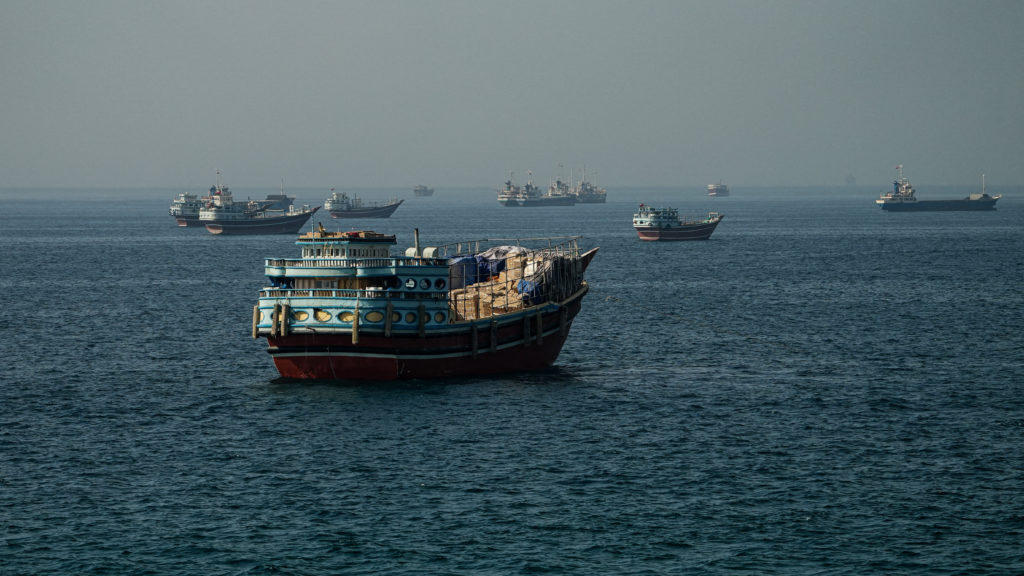
The Lian Star incident is a microcosm of the larger crisis: a test of wills between the U.S. and Iran, with the world’s energy markets as the collateral. For now, the ship remains adrift, a symbol of the unresolved standoff. The next 72 hours will reveal whether diplomacy or force will dictate the strait’s future.
Key Players: Who Stands to Gain or Lose?
The blockade’s impact extends far beyond the Gulf.
- U.S. and allies: The blockade tightens economic pressure on Iran, potentially weakening its nuclear program negotiations. However, the risk of unintended escalation—like the Lian Star strike—could provoke Iranian retaliation.
- Iran: By controlling the strait, Tehran forces the U.S. to negotiate from a position of weakness. But its economy remains crippled, and overplaying its hand could trigger broader military action.
- Global markets: Oil prices have already spiked, and a prolonged closure could trigger a recession in energy-dependent economies. Fertilizer shortages may hit food supplies in developing nations.
- Neutral nations (Qatar, Oman, UAE): They face pressure to mediate but risk becoming targets if they align too closely with either side.
The Lian Star’s fate—whether it’s allowed to dock in Iran or remains a floating casualty of the blockade—will set the tone for the next phase of this crisis. One thing is clear: the Strait of Hormuz is no longer just a waterway. It’s a battleground.
For now, the world watches. And waits.
