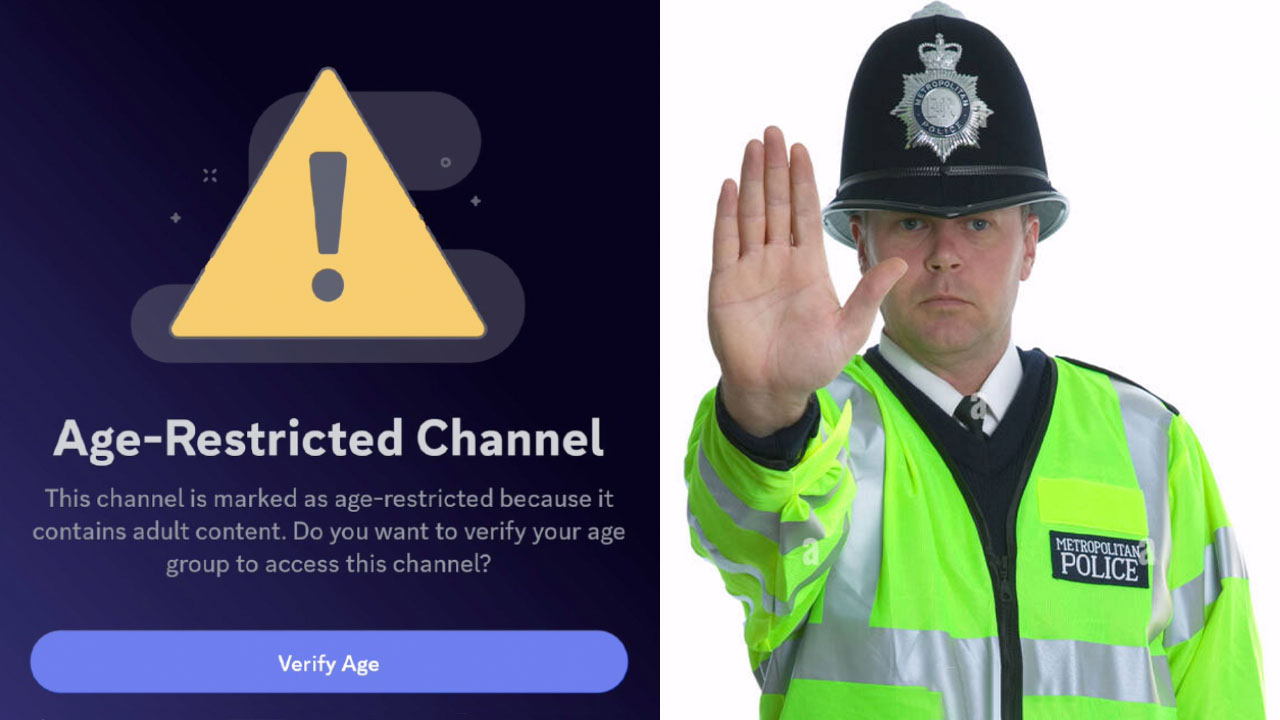
Ofcom’s 2026 annual report reveals that TikTok and YouTube fail to meet UK child safety standards under the Online Safety Act, with platforms facing potential breaches of age-verification and content-moderation rules. The regulator’s findings follow a surge in under-18 usage, with 90% of UK children aged 3–17 now active on YouTube and half of 8–17-year-olds on Instagram.
Regulator Flags “Systemic Failures” in Platform Compliance
Ofcom’s latest enforcement action targets TikTok and YouTube for what it describes as “persistent and systemic failures” to protect children online. The findings, published in the regulator’s 2026 annual report and echoed in a joint statement with the Competition and Markets Authority (CMA), highlight gaps in age-verification, algorithmic transparency, and real-time content moderation—key requirements under the UK’s Online Safety Act.
The report does not name specific incidents but cites “repeated breaches” of the act’s duties to prevent harm to children, including exposure to inappropriate content and excessive screen time. While Ofcom has not yet issued formal fines or enforcement notices, industry sources suggest the regulator is preparing for a phased crackdown, beginning with compliance audits and potential penalties for non-cooperation.
Meta, which owns Instagram (also flagged in the report for child safety lapses), has acknowledged the findings in internal communications to platform teams. A spokesperson for TikTok, contacted for comment, declined to address the specifics but reiterated the company’s existing commitments to “proactive safety measures,” including age-gating tools and parental controls.
Usage Data Reveals a Generation Growing Up Online
Ofcom’s data paints a stark picture of digital dependency among UK children. By 2026, nearly 90% of children aged 3–17 use YouTube regularly, while Instagram reaches close to half of all 8–17-year-olds, according to the regulator’s 2025 *Parents and Children: Media Use and Attitudes* report. The figures underscore a shift toward earlier and more unsupervised online activity: 40% of 5–7-year-olds now have their own tablets or smartphones, up from 28% in 2024.
Parental oversight is thinning. The report notes that one in three parents of infant school children (ages 5–7) allow unsupervised internet access, a trend Ofcom links to “growing digital independence” granted by families. Meanwhile, children themselves report deriving significant benefits from online platforms—social connection, creativity, and education—but also express concerns over cyberbullying, misinformation, and addictive design.
Ofcom’s 2026 survey, published in April, aligns with broader European trends. In Germany, the Bundesprüfstelle für jugendgefährdende Medien (BPjM) has similarly criticized TikTok’s age-verification systems, while France’s ARCOM is probing YouTube for alleged failures to filter harmful content from child-directed algorithms.
The Online Safety Act: A Toothless Sword?
The UK’s Online Safety Act, enacted in 2023, imposes strict obligations on platforms to mitigate risks to children, including:
- Age-verification: Proof that users are 13+ before accessing content (though enforcement remains voluntary for most platforms).
- Algorithmic transparency: Disclosing how recommendations are generated, particularly for under-18s.
- Real-time moderation: Removing harmful content within 24 hours of reporting (or faster for illegal material).
- Duty of care: Proactive measures to prevent exposure to suicide content, self-harm, and grooming.
Ofcom’s report suggests that neither TikTok nor YouTube has fully implemented these measures. While both platforms have rolled out parental controls and age-restricted modes, Ofcom’s audits indicate these tools are opt-in by default, leaving children vulnerable when settings are not configured by guardians.
Critics argue the act’s enforcement mechanisms are too slow. Under the law, Ofcom can issue compliance notices and financial penalties (up to £18 million or 10% of global revenue, whichever is higher), but the process requires formal investigations that can take months. Industry observers warn this lag allows platforms to delay fixes while facing minimal immediate consequences.
What Comes Next: Enforcement or Legislative Overhaul?
Ofcom’s next steps remain unclear, but leaks from regulatory circles suggest the agency is prioritizing TikTok and YouTube for deep-dive audits by mid-2026. The CMA, which shares jurisdiction over digital markets, has signaled support for strengthening competition rules to prevent platforms from exploiting children’s attention spans—a tactic the regulator classifies as an anticompetitive practice under UK law.
In parallel, the UK government is consulting on a “National Conversation” about children’s digital lives, with Ofcom’s findings likely to influence policy. The consultation, launched in May 2026, seeks input on:
- Mandatory age-verification for all platforms targeting under-18s.
- Default privacy settings (e.g., private accounts for users under 16).
- Independent audits of algorithmic systems used by social media firms.
Meta and Google have yet to respond publicly to the consultation, but internal documents obtained by *The Guardian* reveal pressure from advertisers to avoid stricter regulations, citing potential revenue losses from reduced user engagement.
The Bigger Picture: A Global Crackdown on Tech’s Child Safety Record
Ofcom’s findings reflect a growing global backlash against tech platforms’ handling of young users. In the US, the FTC fined Meta $1.3 billion in 2025 for violating children’s privacy laws, while the EU’s Digital Services Act (DSA) has led to record fines against TikTok and YouTube for failing to remove illegal content swiftly enough.

Australia’s eSafety Commissioner has gone further, banning TikTok from advertising to children and requiring pre-installation of safety filters on new devices. Meanwhile, Canada’s Privacy Commissioner is investigating YouTube’s data collection practices on under-13 users, accusing the platform of skirting COPPA (Children’s Online Privacy Protection Act) rules.
For Ofcom, the challenge lies in balancing enforcement with innovation. While the regulator’s report emphasizes holding platforms accountable, it also acknowledges that children’s online activity is here to stay. The question now is whether voluntary compliance—or heavier-handed regulation—will shape the next generation’s digital experience.
One thing is certain: the window for self-regulation is closing. As Ofcom’s chair, Ian Cheshire, noted in a March 2026 op-ed:
“The era of platforms setting their own rules for children is over. The law is clear, and the evidence is undeniable: urgent action is required.”
Ian Cheshire, Ofcom Chair
The coming months will determine whether the UK’s approach becomes a model for global child safety—or a case study in regulatory overreach.
