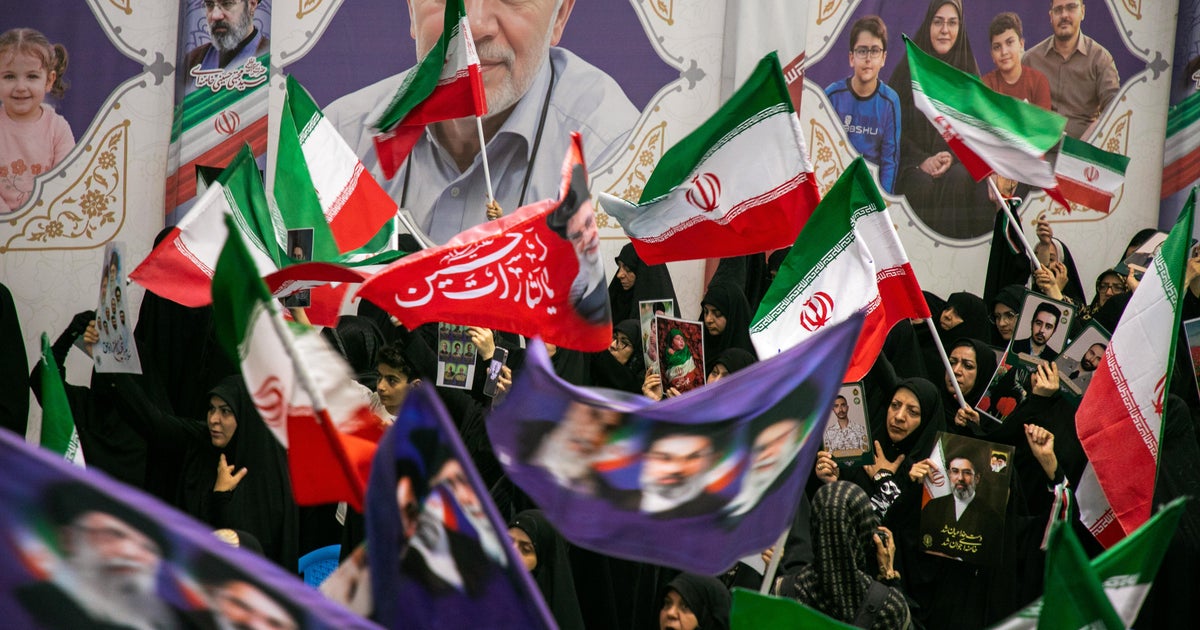
The U.S. military launched self-defense strikes on Iranian targets overnight, escalating tensions after Iran accused Washington of a “grave violation” of a fragile ceasefire. As President Donald Trump framed the negotiations as a “good deal or no deal” ultimatum, Qatar denied reports it had offered Iran a $12 billion loan to secure a peace agreement—while Iran partially restored internet access after 2093 hours of near-total isolation, the longest nationwide shutdown in modern history.
Trump’s “No Deal” Ultimatum and the Ceasefire’s Fragile Hold
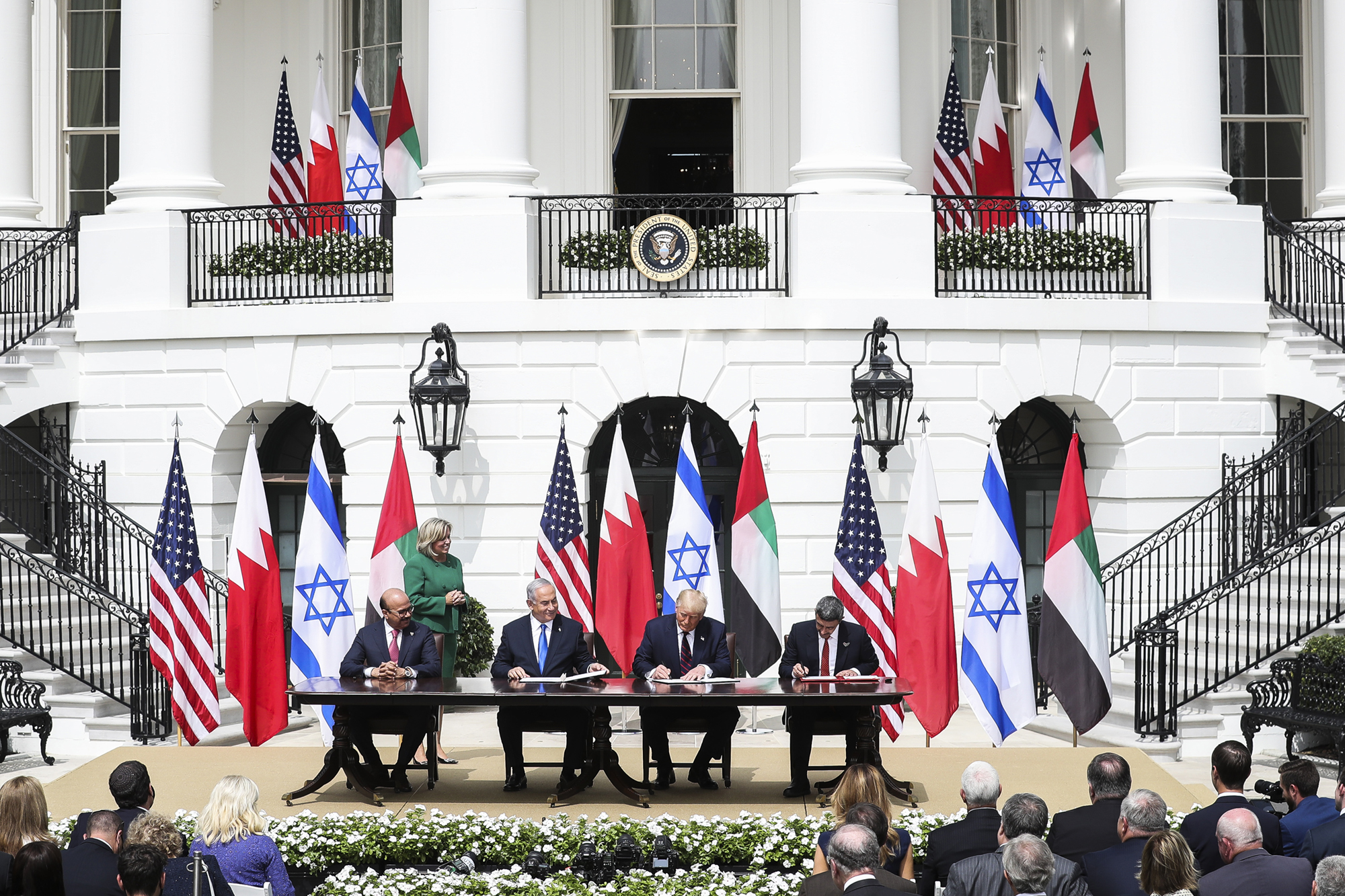
Trump’s blunt framing—”either going to make a good deal or no deal”—echoes his 2020 campaign rhetoric but carries far higher stakes in 2026. His Truth Social post on Monday made clear the administration’s stance: any agreement with Iran must include mandatory participation from Arab nations in the Abraham Accords, a framework that has already expanded to include the UAE, Bahrain, Morocco, Sudan, and Kazakhstan. Trump’s call for Saudi Arabia, Qatar, and others to join simultaneously signals a high-pressure gambit to force Iran into a broader regional alignment—or risk isolation.
The timing couldn’t be worse. Iran’s Supreme Leader has repeatedly rejected normalization with Israel, and hardline factions within the Revolutionary Guard are pushing for a rejection of any U.S.-brokered deal. Trump’s insistence on linking Iran’s inclusion to the Abraham Accords—despite Iran’s past hostility toward the framework—risks derailing talks entirely. As one Middle East analyst told Fox News, “Trump is playing chicken with regional stability. If Iran sees this as an ultimatum, they’ll walk away—and then what? More strikes, more escalation?”
The $12 Billion Loan Denial and Qatar’s Diplomatic Tightrope
Qatar’s categorical denial of offering Iran a $12 billion loan—calling the report “false and baseless”—reveals the delicate balancing act Doha is performing. The Qatari Ministry of Foreign Affairs framed the allegations as a disinformation campaign by “parties seeking to derail the agreement.” Yet the very fact that such a rumor exists underscores the desperation on all sides to secure a deal before the ceasefire unravels.
The $12 billion figure, first reported by Israel’s Channel 12, aligns with Iran’s stated demands for unfreezing assets and relief from sanctions. But Qatar—already a key mediator in the Abraham Accords—cannot afford to be seen as bankrolling Iran’s regime, especially as Saudi Arabia and the UAE watch closely. The denial suggests Qatar may be offering indirect financial incentives (e.g., guarantees, asset releases) rather than a direct loan, but the lack of transparency fuels speculation.

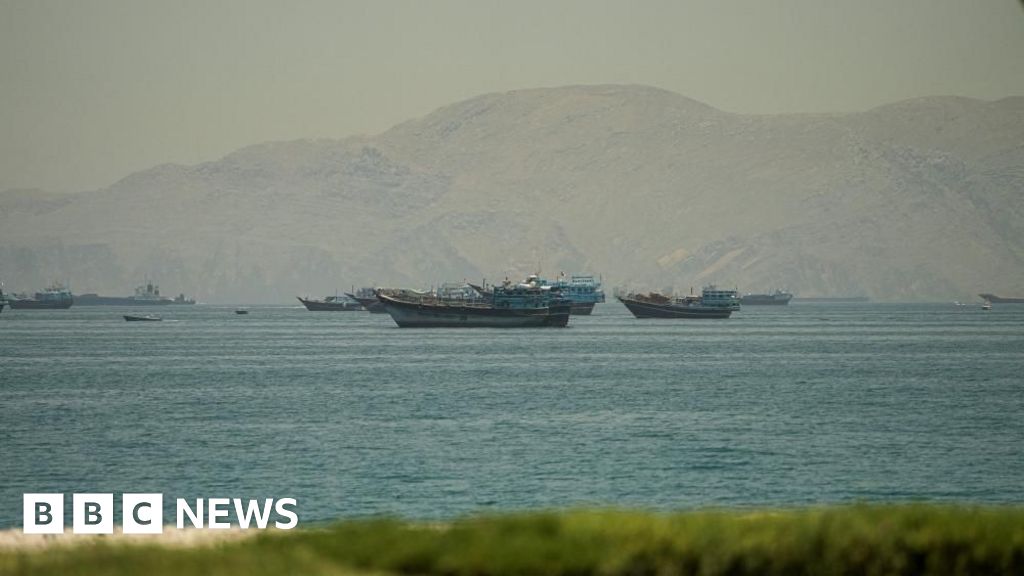
What’s clear is that Qatar’s role as a backchannel negotiator is more critical than ever. The country hosted a visit from Iran’s central bank governor on Monday, where discussions reportedly focused on frozen assets and uranium stockpiles—a direct reference to Iran’s nuclear program. The BBC cited an official briefed on the Doha talks, confirming that the Strait of Hormuz remained a flashpoint in negotiations. If Iran perceives the U.S. is tightening the blockade, any deal collapses.
Iran’s Internet Blackout Ends—but the Message Lingers
After 2093 hours—88 days—of near-total internet isolation, Iran’s government announced a “gradual restoration” of access, marking the end of what monitoring group Netblocks called the “longest nationwide internet shutdown in modern history.” The move came as U.S. strikes targeted southern Iran, and Iranian officials framed the blackout as a necessary measure to “preserve national security” during the war. But the timing suggests a calculated message: Iran is not backing down, even as it signals a willingness to reopen communications.
The restoration was announced by Dr. Ehsan Chitsaz, Iran’s deputy minister of technology, who told state-run outlet CITNA that “all people will be connected to the international internet within 24 hours.” Government spokesperson Fatemeh Mohajerani added that the decision followed consultations with a “special task force on cyberspace,” a nod to the regime’s fear of unrest. The shutdown had already drawn comparisons to the 2022 crackdown on protests, but this time, the isolation was tied directly to the U.S.-Israel war.
Netblocks’ data showed partial restoration on day 88—coinciding with the 88th day of the U.S.-Israel conflict—a deliberate symmetry that underscores Iran’s framing of the war as a prolonged standoff. The question now is whether the internet’s return will ease tensions or simply allow Iran to mobilize more effectively. Hardliners may see the blackout’s end as a concession, while pragmatists could argue it was a tactical move to regain leverage.
Execution and Espionage: Iran’s Hardline Signal
Iran’s execution of Gholamreza Khani Shakarab on Tuesday—convicted of espionage for Israel’s Mossad—sent a chilling reminder of the regime’s red lines. The judiciary’s Mizan Online confirmed the sentence was upheld by the Supreme Court, with officials calling it a “grave violation” of Iran’s sovereignty. The timing, just hours after U.S. strikes, suggests Tehran is using executions as a countermeasure to deter perceived aggression.
Shakarab’s case is part of a broader crackdown on alleged foreign collaborators, but his execution carries symbolic weight. Iran has long accused Israel of infiltrating its intelligence apparatus, and the Mossad has been implicated in past assassinations of Iranian nuclear scientists. By publicizing the execution, Iran is sending a message to both Washington and Tel Aviv: any escalation will be met with force.
The execution also complicates Trump’s “good deal or no deal” stance. Hardliners in Iran’s leadership may use it as justification to reject any compromise, arguing that concessions would embolden further U.S. actions. Meanwhile, the U.S. State Department—led by Secretary Marco Rubio—has insisted a deal remains possible, though Rubio’s “either/or” framing mirrors Trump’s rhetoric. The risk is that Iran’s hardliners will interpret this as an ultimatum, not a negotiation.
What Comes Next: Three Scenarios for the Next 30 Days
The next critical juncture is the Strait of Hormuz. Iran has threatened to block shipping lanes if sanctions aren’t eased, while the U.S. has hinted at further strikes if attacks on commercial vessels resume.
- Scenario 1: The Deal Holds (Low Probability)
Qatar secures a partial agreement on asset releases and uranium stockpiles, while Saudi Arabia and the UAE signal willingness to engage with Iran under the Abraham Accords. The internet’s restoration eases domestic pressure, and Trump declares a “historic” deal—though hardliners on both sides will sabotage implementation.
- Scenario 2: Escalation (Most Likely)
Iran rejects the U.S. ultimatum, accuses Qatar of betrayal, and escalates attacks on U.S. forces or Israeli-linked targets. Trump responds with broader strikes, Saudi Arabia tightens its blockade of Yemen’s Houthi allies, and the ceasefire collapses entirely. The Strait of Hormuz becomes a flashpoint, with global oil prices spiking.
- Scenario 3: Stalled Talks (Plausible)
Both sides dig in, using the internet’s restoration and the execution as bargaining chips. Qatar and Turkey step in as mediators, but without a clear path to resolve the nuclear issue or sanctions relief. The ceasefire limps on, but the war grinds into a low-intensity conflict with periodic flare-ups.
The wild card remains Trump’s domestic politics. His push for Arab nations to join the Abraham Accords is framed as a win for Israel and a counter to Iran, but it risks alienating moderates in Saudi Arabia and Qatar who prefer quiet diplomacy. If the talks fail, Trump’s base will cheer, but the region could spiral into a wider conflict—one that even his supporters may not want.
One thing is certain: the next 30 days will test whether diplomacy or deterrence prevails. For now, the ceasefire is holding—but only by the thinnest of threads.
