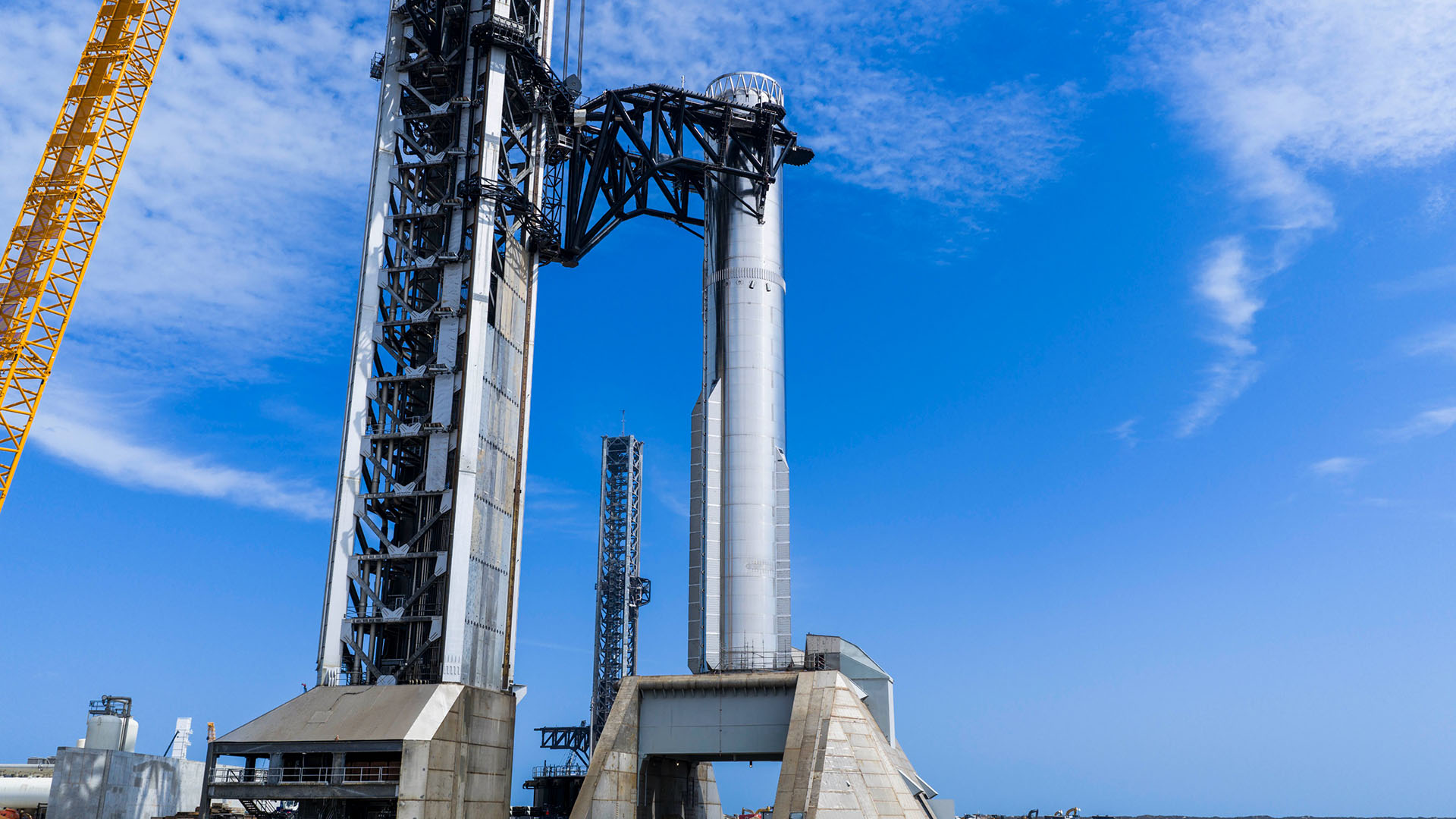
SpaceX is preparing for the inaugural flight of its Starship V3 megarocket, currently scheduled for Wednesday, May 20, 2026. The mission, designated Flight 12, will launch from the company’s Starbase facility in South Texas. This test marks a significant technical evolution for the vehicle, featuring structural modifications to the Super Heavy booster stage.
Technical Upgrades for Starship V3
The upcoming Flight 12 mission introduces a redesigned Super Heavy booster, which serves as the first stage of the Starship launch system. SpaceX has implemented several hardware changes to improve vehicle performance and recovery operations. Most notably, the booster now utilizes three grid fins rather than the four seen on previous versions. According to the company, these structures are 50% larger and possess increased structural integrity.
The company has optimized the placement of these components to support future lift and catch maneuvers. The grid fins have been re-clocked and positioned lower on the booster’s exterior to minimize heat exposure from the engines during the hot-staging process. Additionally, the hot-stage ring itself—the section connecting the booster to the upper stage—is now integrated directly into the Super Heavy structure, moving away from the previous design where this component was discarded during flight. These adjustments represent a transition toward a more durable architecture, intended to streamline the mechanical complexity of the separation sequence while maintaining the integrity of the booster during the high-velocity transition from ascent to descent.
Mission Objectives and Flight Profile
While this mission represents the twelfth overall flight for the Starship program, it is the first test flight for the Version 3 hardware. The primary objectives focus on validating the vehicle’s ascent, stage separation, and the performance of the modified booster.
The flight plan indicates that the Super Heavy booster will execute a boostback burn and a landing burn, targeting an offshore splashdown point in the Gulf of Mexico. SpaceX has confirmed that it will not attempt a return-to-launch-site catch for this initial V3 test.
For the Starship upper stage, the mission will test various in-space and reentry capabilities. The spacecraft is set to deploy 22 Starlink simulators, which are similar in dimensions to the next generation of Starlink satellites. These simulators will share the same suborbital trajectory as the vehicle. Engineers also plan to relight a single Raptor engine while in space, a critical maneuver for orbital operations. To gather data on the spacecraft’s thermal protection system, several heat shield tiles have been painted white to serve as visual targets for onboard imaging systems during the flight. This specific diagnostic method allows ground controllers to track the structural health and potential degradation of the tiles under the extreme thermal loads experienced during the transition back into the atmosphere, providing a performance metric that is essential for the evolution of the vehicle’s long-term reusability.
Launch Logistics and Timeline
The launch is scheduled to take place at SpaceX’s Starbase site in South Texas. The mission window opens at 22:30 GMT on Wednesday, May 20, 2026.
The path to this launch date has seen adjustments in recent weeks. While initial reports suggested a target of May 19, updated mission data confirms the shift to May 20. The flight follows a series of preparations at the Starbase site, including a launch rehearsal conducted on May 11, 2026. This rehearsal process is a standard component of the SpaceX pre-launch protocol, ensuring that both the vehicle’s internal systems and the ground support infrastructure are synchronized for the ignition sequence.
As the company moves forward with this test, the broader corporate context remains active. In April 2026, SpaceX filed confidentially for an initial public offering, marking a significant transition for the private aerospace firm. Despite these corporate developments, the immediate focus at the Texas facility remains on the performance of the V3 architecture and the successful execution of the Flight 12 launch sequence. The synchronization of these high-stakes technical test flights with ongoing changes to the company’s financial structure highlights the dual pressure of meeting operational milestones while managing the transition to a publicly traded entity.
The booster’s primary test objective will be executing a successful launch, ascent, stage separation, boostback burn, and landing burn at an offshore landing point in the Gulf.
FULL THROTTLE: SpaceX Tests Starship Super Heavy v3 For Flight 12SpaceX Starship V3 launch pad setup
Next Spaceflight, Mission Analysis
The successful completion of these objectives is expected to provide the necessary data for future iterations of the Starship system, which the company aims to utilize for lunar and Mars exploration missions. Monitoring the performance of the heat shield and the newly integrated hot-stage ring will be among the most closely watched aspects of the flight by aerospace analysts and industry observers. The data harvested from this flight will be critical in assessing whether the V3 design can meet the rigorous demands of deep-space transit, particularly regarding the reliability of the Raptor engine relight capability and the durability of the modified hot-stage assembly during the high-stress environment of suborbital flight. By focusing on these specific technical benchmarks, SpaceX aims to refine the Starship platform to achieve the operational cadence required for its long-term exploration goals.
Leo Andersson covers innovation, AI, and cybersecurity. A former engineer turned journalist from Stockholm, Leo has contributed to major tech outlets across Europe. His analytical style and deep understanding of technology trends define Globally Pulse’s forward-looking reporting.