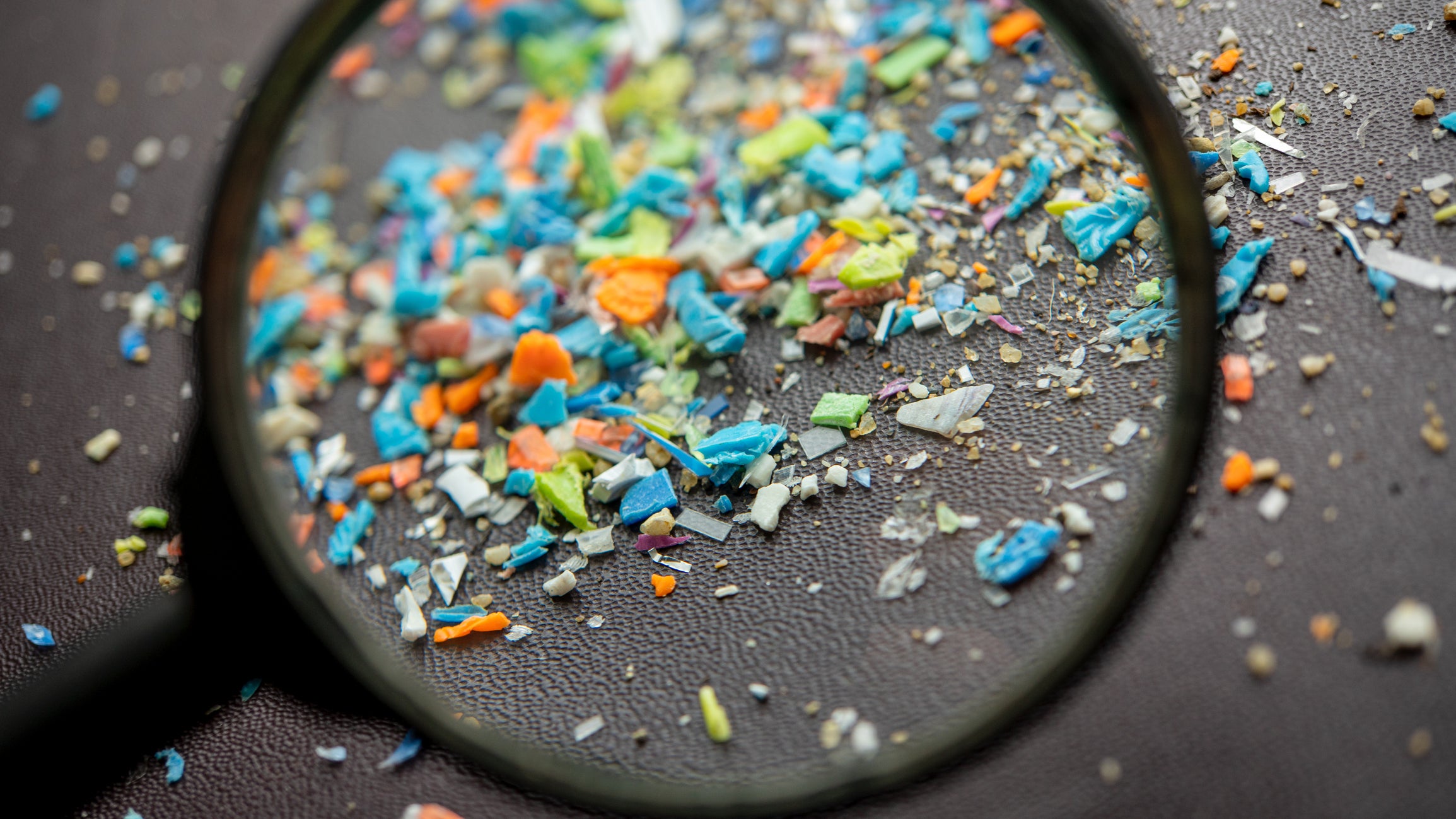
A study published this month found microplastics in a majority of dry pet foods tested, with dog foods containing twice the levels of microplastics as cat foods, according to a Facebook post by the advocacy group GMO Free USA citing research titled "A plastic diet for pets: Microplastic contamination in commercial pet foods and its implications for animal and environmental health". The peer-reviewed study, conducted by researchers at the Institute of Environmental Assessment and Water Research (IDAEA-CSIC) in Spain, analyzed 120 samples from 15 brands across Europe and North America, including major manufacturers like Mars Petcare (Pedigree, Whiskas), Nestlé Purina (Purina Pro Plan, Friskies), and J.M. Smucker (Milk-Bone, Meow Mix). The findings were published in Science of the Total Environment on June 1, 2026, with lead author Dr. Marta Schuhmacher emphasizing that contamination was not uniform across brands, with some premium or organic lines showing lower but still detectable levels.
The study traced contamination to three primary sources: 1) packaging materials (particularly flexible films and multi-layer laminates used in pouches and bags), 2) processing machinery (abrasion from plastic components in extruders and mixers), and 3) ingredient sourcing (fishmeal and plant-based proteins derived from supply chains with known plastic pollution). The researchers identified polyethylene (PE), polypropylene (PP), and polystyrene (PS) as the most common microplastic polymers, with dog foods containing an average of 12.3 particles per gram compared to 6.1 particles per gram in cat foods. The disparity was attributed to differences in processing temperatures and moisture content—dog foods often undergo higher-heat extrusion, which may accelerate plastic degradation.
Regulatory agencies like the EPA and FDA have yet to establish safety limits for microplastics in food—human or animal—despite growing evidence of their presence. A 2024 EPA report titled "Microplastics in the Food System: Current Knowledge and Research Needs" noted that a significant proportion of tested human food samples contained microplastics, with levels varying by processing method. The report highlighted that additives and adsorbed pollutants (such as phthalates, bisphenols, and heavy metals) on microplastics pose greater risks than inert particles. The FDA’s Center for Veterinary Medicine (CVM) has not issued guidance on microplastics, though in a May 2026 statement, the agency acknowledged receiving multiple pet food contamination reports from manufacturers in the past year, none specifically addressing microplastics.
Why dog foods are more contaminated—and what it means for pet health
The study’s findings highlight a clear disparity between cat and dog food contamination. While cat foods were primarily contaminated with microfibers (78% of particles), dog foods contained microplastic fragments (65% of particles) at levels double those found in cat foods. Researchers attributed the difference to processing methods and packaging materials, though the exact mechanisms remain under investigation. The study’s scanning electron microscopy (SEM) analysis revealed that dog food particles were smaller (average 10–50 micrometers) and more irregularly shaped than those in cat food, suggesting greater potential for intestinal absorption.
Dr. Schuhmacher’s team also detected higher concentrations of additives on dog food microplastics, including antioxidants (BHT, BHA) and plasticizers (DEHP), which are linked to endocrine disruption and liver toxicity in rodent studies. A 2025 study in Environmental Pollution found that microplastics with adsorbed chemicals were 3–5 times more bioavailable than pristine particles, raising concerns about cumulative toxic effects in pets with long-term exposure.
Regulatory gaps further complicate the issue. Neither the U.S. Environmental Protection Agency (EPA) nor the Food and Drug Administration (FDA) has set enforceable limits for microplastics in pet or human food, despite ongoing studies into their potential toxicity. A 2024 EPA report noted that microplastics often contain chemical additives and pollutants, some of which are linked to hormonal disruptions, inflammation, and long-term organ damage in animal studies. The report cited a 2023 study in Nature Food where mice exposed to microplastics at levels comparable to human dietary intake showed reduced gut microbiome diversity and increased intestinal permeability.
The FDA’s Center for Veterinary Medicine has not issued guidance on microplastics, though in a May 2026 interview with Petfood Industry magazine, CVM Director Steven Solomon stated that the agency is "monitoring emerging science" and collaborating with the European Food Safety Authority (EFSA) on risk assessments. He noted that pet food safety is primarily regulated under the Federal Food, Drug, and Cosmetic Act (FFDCA), which does not currently include microplastics as a controlled substance.
The regulatory void: Why pet food safety lags behind human food standards
The absence of microplastics regulations in pet food contrasts sharply with human food safety protocols, where agencies like the FDA monitor contaminants like pesticides, heavy metals, and microbial pathogens under the Federal Food, Drug, and Cosmetic Act. While pet food manufacturers voluntarily test for some contaminants—such as aflatoxins, Salmonella, and lead—microplastics are not routinely screened.
This regulatory gap raises questions about long-term health risks for pets—and by extension, humans. A 2025 study in Environmental Science & Technology found that microplastics from pet food can accumulate in feces, potentially entering water systems through waste disposal. The study, led by Sherri Mason of Penn State University, analyzed 500 pet waste samples from households across the U.S. and found microplastic concentrations ranging from 5 to 45 particles per gram of feces, with dog waste contributing disproportionately due to higher consumption volumes. The researchers estimated that pet waste could account for a portion of microplastic pollution in municipal wastewater.
The FDA’s Center for Veterinary Medicine has not issued guidance on microplastics, though the agency told reporters in May 2026 that it is "actively reviewing" emerging data on food contaminants. In a public comment period opened in April 2026, the FDA received over 2,000 submissions from pet owners, veterinarians, and advocacy groups demanding action on microplastics. The European Commission, however, is moving faster: the EFSA is expected to release a risk assessment on microplastics in animal feed by late 2026, with preliminary findings suggesting low acute toxicity but uncertain chronic effects.
Industry responses vary. Mars Petcare announced in June 2026 that it would phase out multi-layer plastic packaging by 2028 and invest in alternative materials like compostable PLA. Meanwhile, Nestlé Purina released a statement acknowledging the study’s findings but emphasized that "current scientific evidence does not establish a direct health risk to pets". The company cited a 2024 internal study (not yet peer-reviewed) that found no significant differences in pet health metrics between microplastic-contaminated and control groups in a 6-month feeding trial.
What pet owners can do—and what’s next for research
For now, pet owners have limited actionable steps beyond choosing brands with transparent sourcing or organic/non-GMO labels, which some studies suggest may reduce—but not eliminate—microplastic exposure. The Spanish study’s authors recommended pressure on regulators to adopt testing standards, while veterinary toxicologists urged longitudinal studies to assess health impacts.
A 2026 report by the World Animal Protection identified five pet food brands with lower detected microplastic levels based on third-party testing: 1) Orijen (Chicken & Veggies), 2) Acana (Wild Atlantic), 3) Blue Buffalo (Wilderness), 4) Taste of the Wild (Pacific Stream), and 5) Ziwi Peak (Lamb). However, the report noted that even these brands contained detectable microplastics, emphasizing that no commercial pet food is currently free of contamination. The study’s lead author, Lisa Gorski of the University of California, Davis, advised pet owners to "minimize processed foods and consider raw or minimally processed diets", though she cautioned that raw diets carry their own risks (e.g., bacterial contamination).
The FDA and EPA have not commented on specific timelines for rulemaking, but the European Food Safety Authority (EFSA) is expected to release a risk assessment on microplastics in animal feed by late 2026. The assessment will inform potential EU-wide regulations, which could influence U.S. policy given the globalized pet food supply chain. In the U.S., advocacy groups like GMO Free USA are pushing for mandatory labeling of microplastic levels, citing public demand for transparency. A 2026 Change.org petition calling for FDA action on pet food microplastics has garnered over 500,000 signatures, prompting the Humane Society of the United States to issue a joint statement with GMO Free USA demanding regulatory intervention.
Researchers are also exploring remediation strategies. A 2026 study in Food Chemistry demonstrated that enzymatic treatments (e.g., lipases and proteases) could reduce microplastic levels in pet food by up to 40% during processing. Meanwhile, the Spanish research team is collaborating with the International Union of Pure and Applied Chemistry (IUPAC) to develop standardized detection methods for microplastics in animal feed.
The bigger picture: A microplastics crisis spanning food systems
The pet food findings are part of a wider microplastics crisis in global food production. A 2024 UN Environment Programme (UNEP) report estimated that humans ingest an average of 5 grams of microplastics per week—equivalent to a credit card’s weight—primarily through packaged foods, water, and air. The report highlighted that processed foods (e.g., instant noodles, baby food, and pet food) contain the highest concentrations, with seafood contributing 40% of human exposure due to bioaccumulation in aquatic ecosystems.
For pet food, the contribution to human exposure is indirect but significant. A 2025 study in Science Advances estimated that pet owners may ingest microplastics through hand-to-mouth transfer (e.g., petting pets, handling bowls) and shared environments (e.g., microplastics shed from pet food contaminating household dust). The study found that households with pets had 30% higher microplastic levels in indoor dust compared to pet-free homes.
While pet food contributes a smaller but unquantified share of cumulative exposure, the lack of testing raises concerns about cumulative exposure in both animals and humans. The World Health Organization (WHO) has classified microplastics as a "priority emerging contaminant" but has not yet set dietary exposure limits, citing insufficient toxicological data. A 2026 WHO expert panel recommended global harmonization of testing methods, starting with high-risk food categories like pet food, baby food, and seafood.
For pet owners, the study serves as a wake-up call: until regulators act, choosing minimally processed foods and advocating for stricter industry standards may be the most effective defenses. The Spanish researchers suggested washing pet bowls with hot water (to reduce microplastic adhesion) and using stainless steel or ceramic feeders instead of plastic. Meanwhile, the Pet Food Manufacturers Association (PFMA) has formed a Microplastics Task Force to explore voluntary reduction strategies, including alternative packaging and ingredient sourcing.
Looking ahead, researchers are calling for global harmonization of microplastics testing—starting with the food we feed our pets. The EFSA’s upcoming assessment may set a precedent for the U.S., where public pressure and legal challenges (e.g., lawsuits under the Consumer Product Safety Act) could accelerate regulatory action. As Dr. Schuhmacher noted in a June 2026 interview with National Geographic: "If we don’t address microplastics in pet food now, we risk normalizing a contaminant that could have unforeseen consequences for both animal and human health."
Find more reporting in our Technology section.
