
Pakistan deployed a squadron of fighter jets and thousands of troops to Saudi Arabia on April 11, 2026, under a mutual defense pact signed in September 2025, as regional tensions escalated amid US-Iran ceasefire talks hosted in Islamabad.
A Strategic Deployment Amid Regional Turmoil
Pakistan’s military deployment to Saudi Arabia marks the first visible activation of the 2025 defense pact between the two nations, a move that underscores Islamabad’s balancing act as it hosts high-stakes negotiations between the United States and Iran. The aircraft—comprising a mix of fighter and support jets—landed at King Abdulaziz Air Base in Saudi Arabia’s Eastern Province, confirmed by the Saudi Ministry of Defence. The deployment occurred as Iran and the US engaged in direct talks in Pakistan, aimed at ending weeks of missile and drone strikes between Tehran and Washington-backed forces in the Gulf.
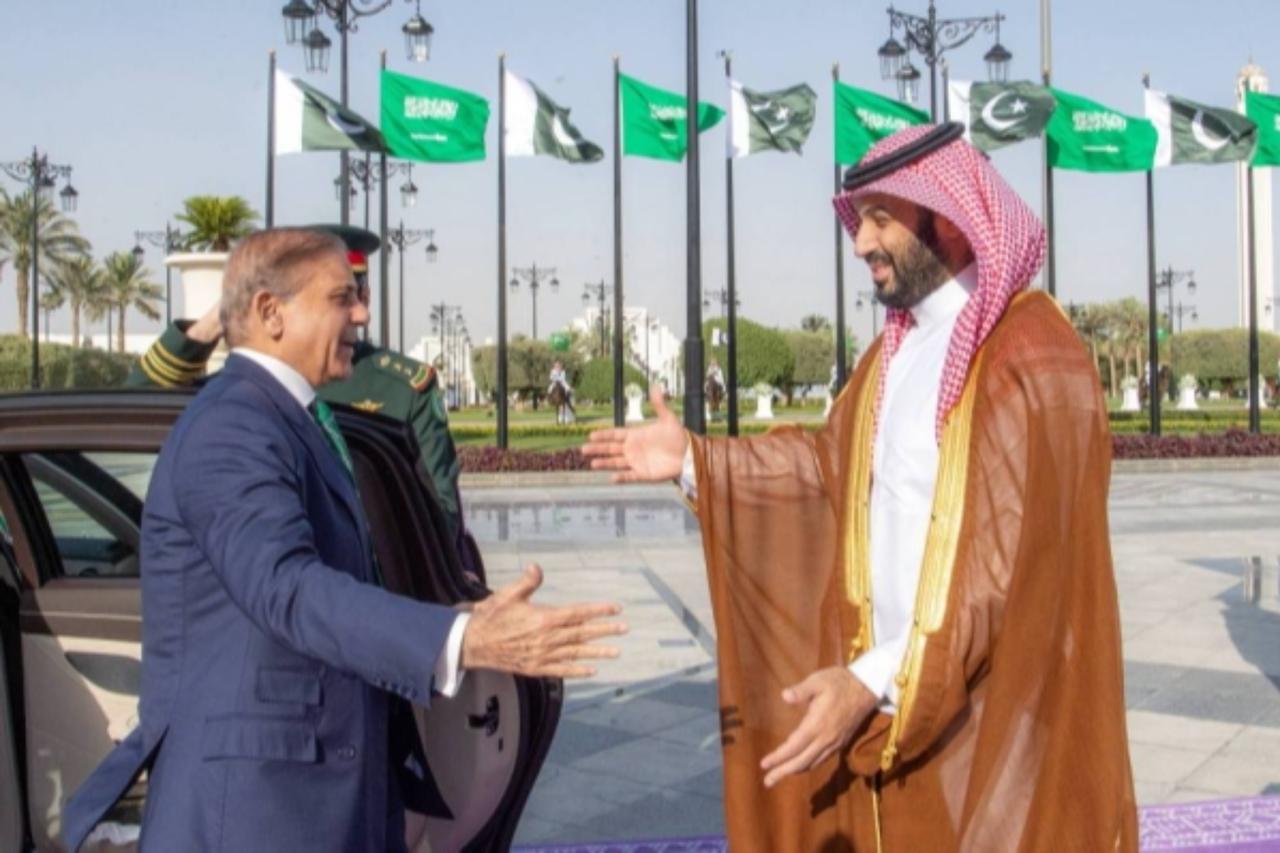
The collective defense agreement, signed during Pakistani Prime Minister Shehbaz Sharif’s visit to Riyadh in September 2025, obligates both countries to treat an attack on one as an attack on the other. This commitment came under strain in early March when Foreign Minister Ishaq Dar reportedly warned Iranian leaders that Pakistan was bound by its obligations to Saudi Arabia under the pact. The deployment of jets and troops reflects Pakistan’s efforts to honor its commitments while navigating its role as a mediator in the US-Iran conflict.
The Geopolitical Chessboard
The timing of Pakistan’s military move is not coincidental. Since February 28, 2026, Iran launched retaliatory strikes against US targets in Gulf states following the US-Israeli operation that resulted in the death of Supreme Leader Ali Khamenei. Pakistan, which has historically maintained ties with both Tehran and Riyadh, finds itself in a delicate position. By deploying military assets to Saudi Arabia, Islamabad signals its alignment with the Gulf monarchy while simultaneously facilitating ceasefire talks between the US and Iran.
This dual role has raised questions about Pakistan’s neutrality. While the country has positioned itself as a mediator, the deployment of jets and troops to Saudi Arabia suggests a tilt toward Riyadh. Analysts note that Pakistan’s decision to activate the defense pact could be interpreted as a strategic maneuver to strengthen its bargaining position in the ongoing negotiations. However, the move also risks alienating Iran, a key ally in the region.
Saudi Arabia, for its part, has welcomed the deployment as a boost to its security amid heightened tensions. The kingdom’s Ministry of Defence stated that the arrival of Pakistani jets and support aircraft was part of a broader effort to enhance regional stability. Yet, the deployment also highlights the fragility of the ceasefire talks, which remain in a precarious state.
The Human and Material Scale
While the exact number of troops deployed remains unspecified in verified sources, reports indicate the involvement of a squadron of fighter jets and support aircraft. The Saudi Ministry of Defence confirmed the arrival of the jets but did not disclose the total troop count. This lack of specificity is notable, as such deployments typically involve thousands of personnel to support logistical and operational needs.
The deployment is not without precedent. In 2025, Pakistan and Saudi Arabia signed the defense pact during Sharif’s visit to Riyadh, a move that was seen as part of broader efforts to counterbalance Iran’s influence in the region. The pact was described as a “mutual defense agreement,” but its activation in the context of the current crisis adds a new layer of complexity to Pakistan’s foreign policy.
For Pakistan, the deployment carries both strategic and economic implications. The country has historically relied on Saudi financial support, and the defense pact includes provisions for military cooperation and economic assistance. However, the current deployment also places Pakistan in a position where it must manage expectations from both Saudi Arabia and Iran, neither of which can afford to be alienated in the current climate.
What Comes Next?
The deployment of Pakistani jets and troops to Saudi Arabia is a clear indication of the escalating regional tensions. As the US-Iran ceasefire talks continue in Pakistan, the country’s role as a mediator remains critical. However, the activation of the defense pact with Saudi Arabia raises questions about Pakistan’s ability to maintain its neutrality.
For Saudi Arabia, the deployment provides a temporary boost to its security posture, but the underlying tensions with Iran remain unresolved. The kingdom’s reliance on external military support underscores its vulnerability in the face of Iran’s retaliatory strikes. Meanwhile, Iran’s response to Pakistan’s move will be closely watched, as any escalation could further destabilize the region.
In the short term, Pakistan’s deployment serves as a reminder of the delicate balance it must maintain. The country’s ability to navigate these competing interests will determine its influence in the region. For now, the focus remains on the ceasefire talks, but the deployment of jets and troops signals that military options remain on the table.
The coming weeks will be critical in assessing whether Pakistan can successfully mediate between the US and Iran while upholding its commitments to Saudi Arabia. The stakes are high, and the consequences of failure could reverberate across the entire Middle East.
