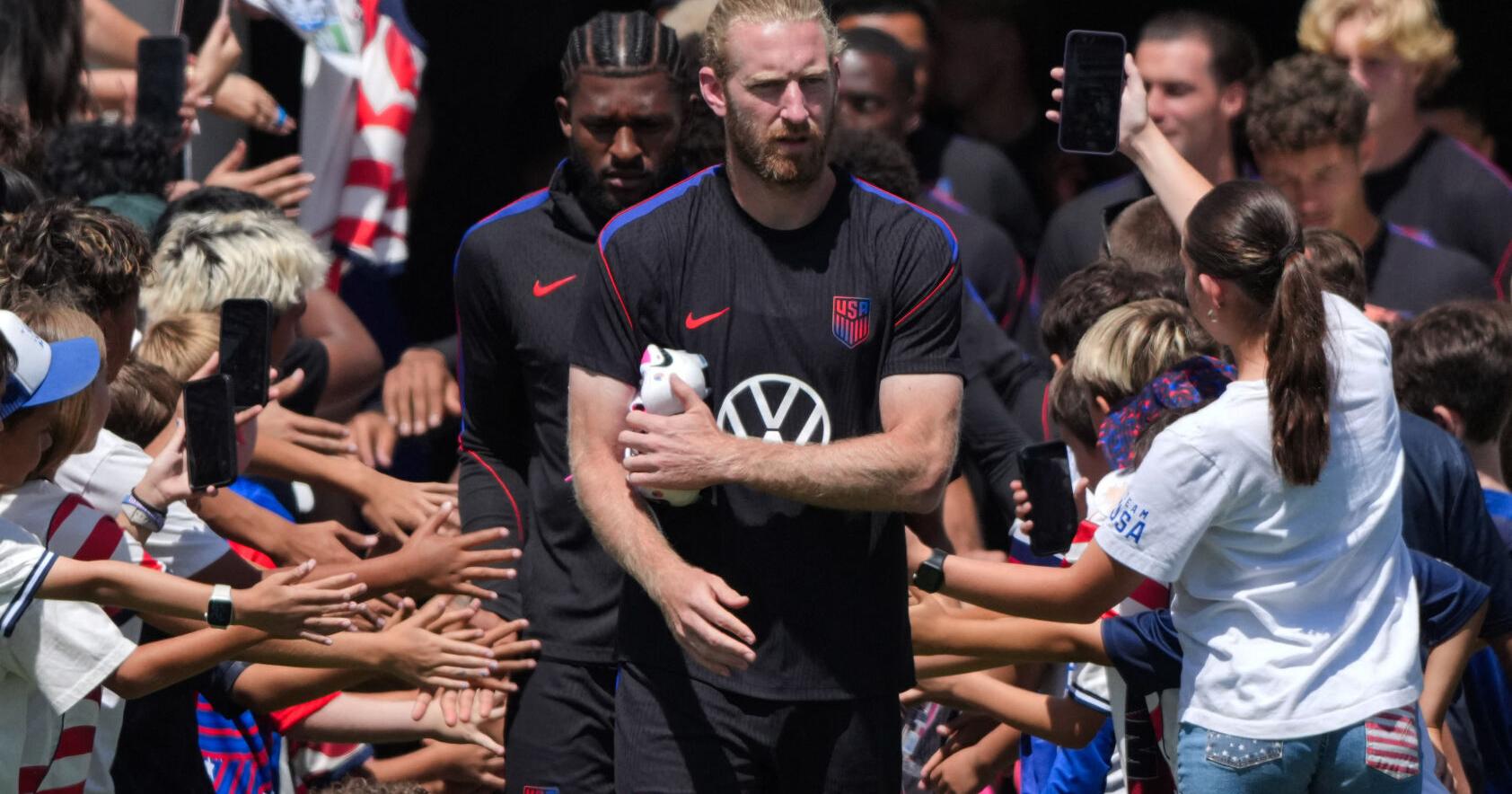
The 2026 FIFA World Cup officially begins today, with the U.S. Men’s National Team (USMNT) entering the tournament under the leadership of newly appointed captain Tim Ream. The veteran defender, who plays for Charlotte FC, will lead the squad through their Group D campaign on home soil, starting with a match against Paraguay.
Leadership Transition and the Selection of Tim Ream
Following the reveal of the official 2026 roster, the U.S. coaching staff named Tim Ream as the team’s captain. Head coach Mauricio Pochettino cited the defender’s extensive tenure in European football as the primary driver behind the appointment, identifying his presence as a stabilizing force for the squad. Pochettino, who took charge of the USMNT with the express mandate of preparing the side for the expanded 48-team tournament format, has prioritized organizational discipline and tactical clarity.
According to Charlotte FC, Pochettino emphasized the necessity of veteran experience in a high-pressure tournament environment. The coach noted, “His experience is massive, playing more than ten years in Europe,” adding that “He is a leader.”
For Ream, the designation represents a significant career milestone. “This is more than a dream come true,” the captain said. “It’s the highest honor for me in this group, and I’m not going to take that for granted.” Ream’s role is critical given the composition of the roster, which blends emerging young talent playing in top-tier European leagues with established MLS veterans, requiring a captain capable of bridging the generational gap within the locker room.
Preparation and Performance in Send-off Matches
The U.S. team concluded its preparation phase with a mixed record in two high-profile friendlies. The side secured a 3-2 victory over Senegal at Bank of America Stadium in Charlotte, a match that featured goals from Sergiño Dest, Christian Pulisic, and Folarin Balogun. The victory in Charlotte provided a morale boost, demonstrating the team’s ability to create offensive chances against physical, disciplined international opposition.
The momentum faced a challenge in Chicago, however, where the U.S. fell 2-1 to Germany at Soldier Field. While Antonee Robinson provided an equalizer following an early goal from Germany’s Kai Havertz, a second-half strike from Leroy Sané ultimately decided the match in favor of the visitors. Ream captained the side in both fixtures, serving as the constant link in the backline as the team experimented with its defensive shape. These matches served as the final assessment of the team’s tactical readiness, allowing Pochettino to evaluate depth-chart options before the final submission of the tournament roster.
For more on this story, see U.S. vs. Germany: Pochettino’s final warmup test before 2026 World Cup opener.
Group D Schedule and Tournament Outlook
As the tournament commences, the U.S. faces a challenging path in Group D. The team will play all three of its group stage matches within the United States, a factor that STLtoday.com reports has contributed to the palpable anticipation surrounding the team’s arrival on the world stage. Playing on home soil provides a unique set of logistical advantages, including familiar climate conditions and the absence of long-haul travel between group stage venues.

The tournament format, which includes 48 teams for the first time, adds a layer of complexity to the group stage. With the top two teams from each group advancing, alongside the best-performing third-place sides, every point earned in the opener against Paraguay is vital for securing a favorable path into the knockout rounds.
- June 12: United States vs. Paraguay (Inglewood, CA) – 9 p.m. ET
- June 19: United States vs. Australia (Seattle, WA) – 3 p.m. ET
- June 25: Turkey vs. United States (Inglewood, CA) – 10 p.m. ET
The opener against Paraguay in Inglewood serves as the critical first step for a squad looking to capitalize on home-field advantage. With the roster finalized and the leadership structure established, the U.S. enters the tournament aiming to translate their recent competitive progress into sustained success during the group stage. The squad’s depth will be tested throughout the grueling schedule, as tournament rules require careful management of player fatigue and potential injuries across the intensive three-week group phase.
Find more reporting in our Sports section.
