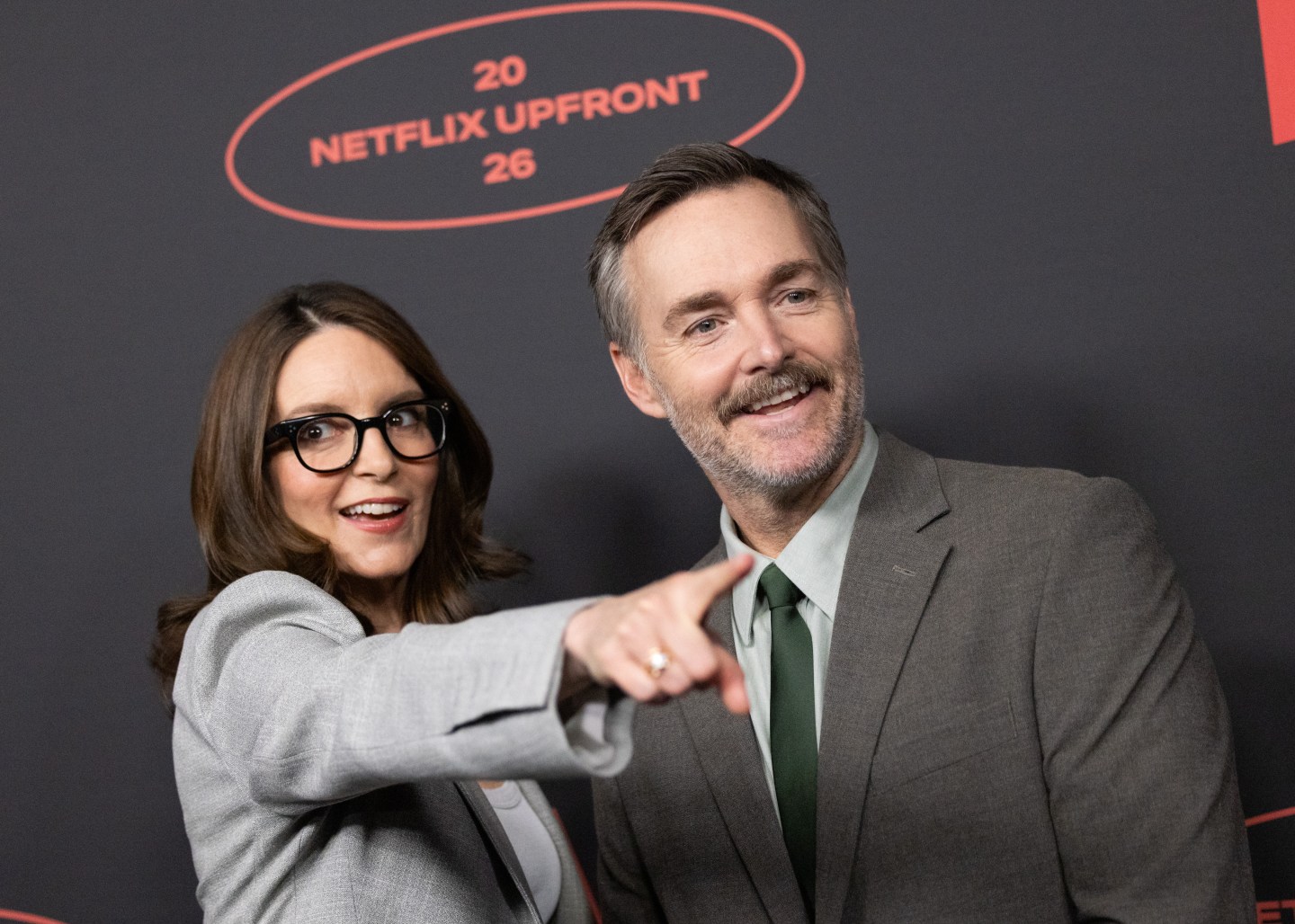
Tina Fey’s The Four Seasons has become Netflix’s most-watched comedy-drama of 2026, proving that middle-aged chaos—and the friendships that survive it—still sell tickets. After Season 2 premiered May 28, the series claimed the top spot on Netflix’s U.S. streaming charts, a rare feat for a second installment in an ensemble comedy. With Steve Carell’s death still fresh in the group’s memory and Anne (Kerri Kenney-Silver) navigating a new romance with Doctor Who’s David Tennant, the show’s blend of sharp humor and emotional rawness has critics comparing it to Fey’s 30 Rock heyday. But this time, the laughs come with a side of existential dread—and a cliffhanger that leaves fans clamoring for Season 3.
The Show’s Secret Formula: Balancing Absurdity and Authenticity in Midlife Storytelling
Middle age has long been Hollywood’s punchline—until now. The Four Seasons flips the script by treating its fiftysomething protagonists with the same depth as teen dramas. The show’s structure—four seasonal getaways, each packed with the kind of misadventures that would derail a lesser ensemble—mirrors the cyclical nature of adult life: grief, rebirth, and the awkward in-between. Season 2 doubles down on this formula, with the group’s spring Catskills ash-scattering trip turning into a motel lockdown (think The Shining meets Friends), followed by a Jersey Shore summer where Danny (Colman Domingo) and Claude’s (Marco Calvani) quest for parenthood collides with Ginny’s (Erika Henningsen) postpartum chaos.
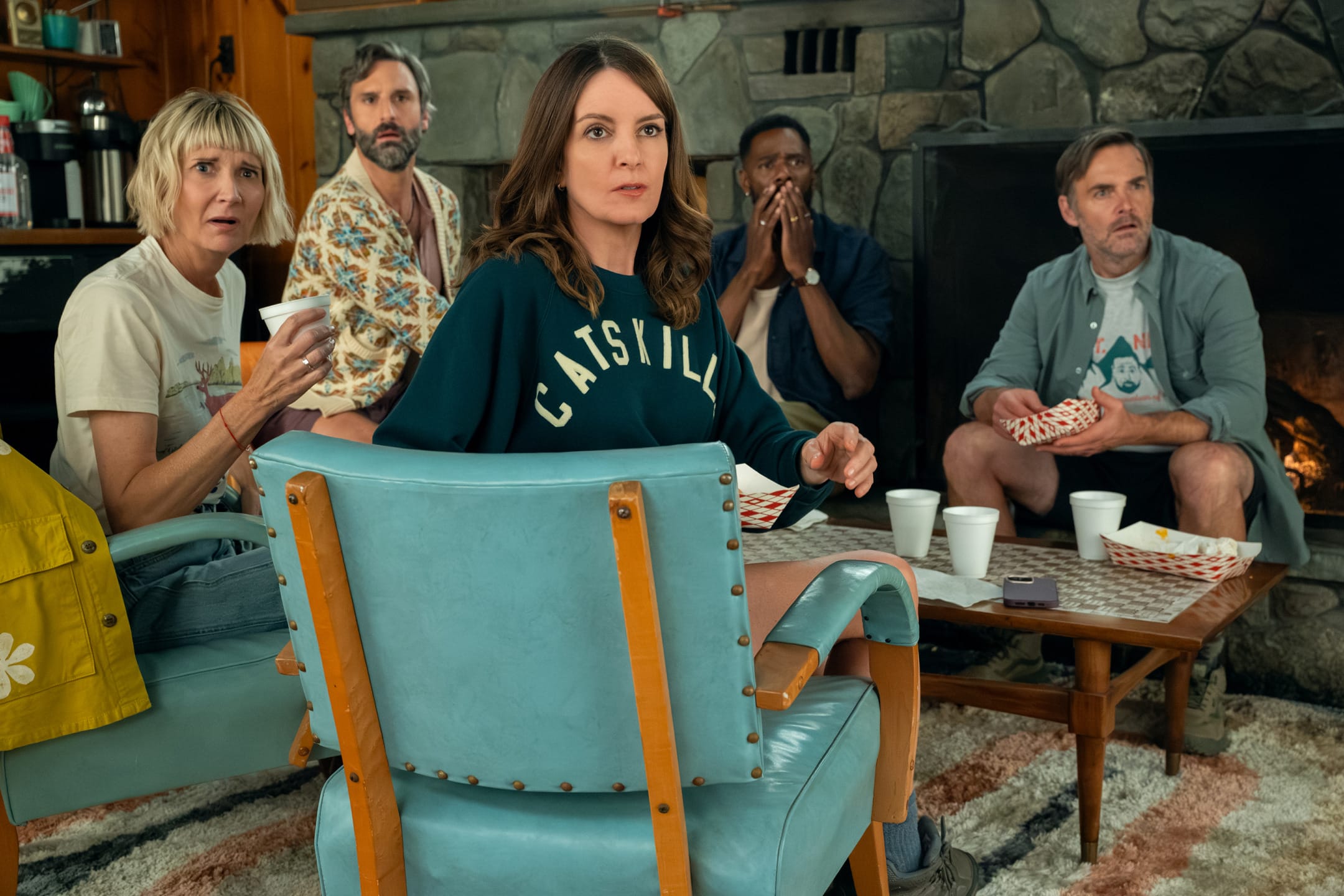
The secret? Fey’s knack for balancing absurdity with authenticity. Take the show’s signature “cozy” tone—one she’s described as “the kind of joyful, relaxed watching experience” that draws in fans like Carol Burnett and Rita Moreno, who reprised their roles from the 1981 original. But don’t mistake cozy for shallow. The season’s emotional core lies in Anne’s journey: a woman still reeling from her ex-husband’s death (and the baby he left behind with his new partner) who, by the finale, finds herself flirtatious with a charming Italian neighbor—played by Tennant, cast after Fey reportedly said, “Someone like David Tennant, like a David Tennant kind of guy.” The meet-cute isn’t just a cliffhanger; it’s a metaphor for reinvention. As co-creator Tracey Wigfield put it to Decider, “Anne’s been trying to be Anne 2.0, but it’s not going great. So there was something really exciting when we were thinking about a romantic cliffhanger… someone you’d get excited to see more stories with.”
Why The Four Seasons’ Cast Chemistry Elevates the Midlife Comedy Genre
The show’s success isn’t just about Fey’s writing—it’s about the cast’s chemistry. Will Forte and Fey’s dynamic as the uptight-but-loving Jack and Kate feels like a modern Golden Girls for millennials, while Domingo and Calvani’s bickering gay couple adds a layer of wit that’s both timely and timeless. Even the supporting characters—like the motel’s Midnight Ramble owner, whose “listening bar” (a real trend, according to production designer Sharon Lomofsky) becomes a symbol of the group’s shared loneliness—serve a purpose beyond the joke.

How The Show Avoids Midlife Comedy Tropes with Sharp, Specific Storytelling
The midlife comedy has a reputation for being either maudlin (The Middle) or misogynistic (The 40-Year-Old Virgin). The Four Seasons avoids both traps by leaning into the messiness of adult life—without romanticizing it. Season 2’s standout moments prove this: a Brownies troop interrupting an ash-scattering hike, a T-shirt that reads “Keep Calm and Fuhgeddaboutit” becoming a symbol of Jack’s midlife crisis, and Anne’s desperate attempt to test Ginny’s breast pump on her own nipple, only to realize “Ladies aren’t supposed to be friends with the woman their dead husband left them for.” Fey’s response? “There is no Beyoncé song about that.”
The show’s structure—four seasons, four vacations—isn’t just a gimmick. It’s a commentary on how adults cling to rituals when everything else falls apart. The first season’s Nick Carell death forced the group to confront their own mortality; Season 2’s cliffhanger—Anne staying in Italy with Tennant—suggests that some friendships, like some marriages, require reinvention. “Anne obviously has been on a journey,” Wigfield told Deadline, “but it’s not going great. So there was something really exciting when we were thinking about a cliffhanger for a possible Season 3… someone that you would get so excited to see more stories with.”
The Production Design’s Role in Turning Locations Into Characters
Critics have already drawn parallels to Fey’s 30 Rock era, but The Four Seasons’s brilliance lies in its specificity. The Catskills motel, the Jersey Shore Airbnb, the Italian villa—each location is a character in itself. Production designer Lomofsky and set decorator Jennifer Greenberg didn’t just film on location; they curated it. The Midnight Ramble motel’s retro vibe, with its atomic lamps and wolf murals, feels plucked from a 1950s postcard—until the group’s shared trauma turns it into a pressure cooker. “Listening bars are very trendy now,” Greenberg told Galerie Magazine, “but we wanted it to feel like a place where people go to escape—and then can’t.”
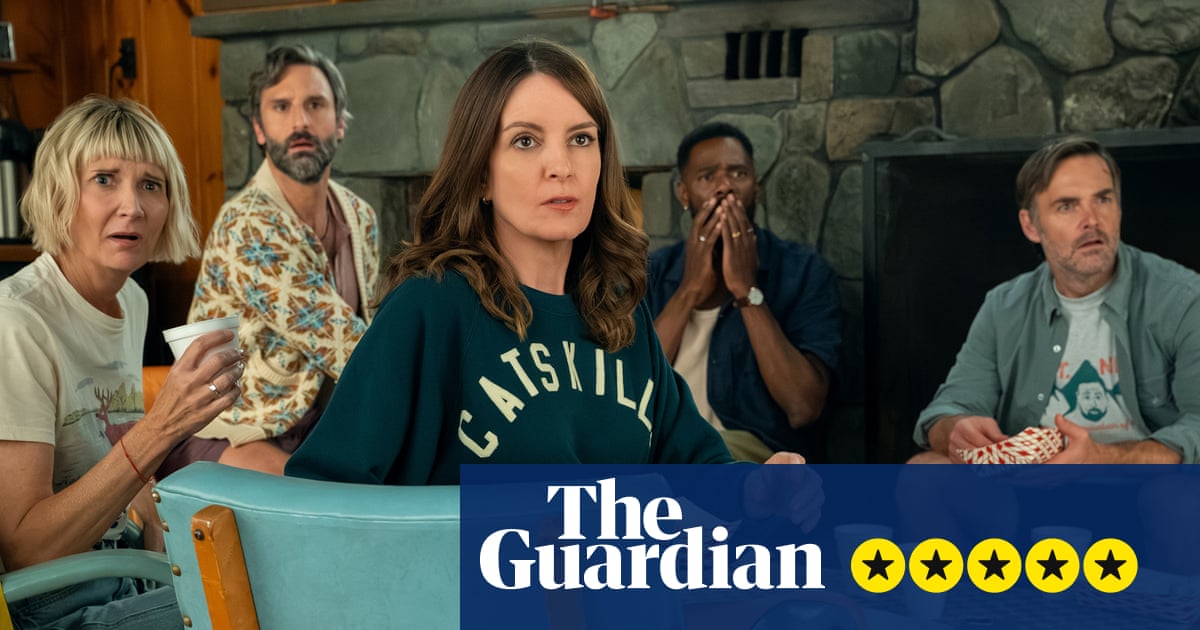
Numbers don’t lie—and The Four Seasons Season 2 is lying all over Netflix’s charts. According to FlixPatrol, the series claimed the #1 spot on the platform’s U.S. Top 10 TV Shows list immediately after its May 28 premiere, a feat that’s held strong through June 1. For comparison, Season 1—released in May 2025—garnered an 83% critics’ approval on Rotten Tomatoes and a 7.2/10 on IMDb, with Domingo earning a Primetime Emmy nomination for his role. But Season 2’s dominance suggests something deeper: a cultural moment where audiences are hungry for stories that reflect their own lives—not just their youth.
The show’s success isn’t just about nostalgia. It’s about relatability. Fey’s ability to mine middle age for both humor and pathos is evident in every episode. Take the beach house scene where Danny and Claude debate adoption while Jack bonds with a new “play date” friend—all while Ginny recovers from childbirth. It’s a snapshot of modern adulthood: complicated, often lonely, but never without hope. “Midlife is brutal,” Fey told The Hollywood Reporter, “but it’s also the time when people stop pretending they have it all figured out.”
That authenticity extends to the show’s production. The Catskills motel, for instance, was shot at the Blue Fox Motel in Narrowsburg, New York, with interiors transformed using vintage finds from Hudson Valley thrift stores. The Jersey Shore scenes? Filmed at Jenkinson’s Boardwalk and an Ocean Grove Victorian—real locations that add texture to the fantasy. Even the show’s title is a wink to the 1981 original, but Fey’s version is unapologetically modern. “We wanted to keep the joyful, relaxed tone,” she said, “but also the rawness of what it’s like to be in your fifties and realizing you’re not getting any younger.”
What’s Next?
The Season 2 finale left Anne in Italy, Tennant in the frame, and fans with one question: Is there a Season 3? The answer, according to Deadline, is “already in the works.” Fey, Wigfield, and Fisher have begun developing the next installment, with Tennant’s role as Gianpiero setting up a potential love story—or at least a new dynamic for Anne. “We shot it in one day,” Wigfield said of Tennant’s scene, “and he’s so lovely with Kerri.”
But the bigger question is whether The Four Seasons can maintain its momentum. The show’s blend of humor and heart is rare in today’s TV landscape, where streaming wars often prioritize bingeability over depth. Yet Fey’s track record—from 30 Rock to Mean Girls to Only Murders in the Building—suggests she’s not done yet. With nine projects in development, including a return to Only Murders, Fey has proven she can pivot. But The Four Seasons feels like her magnum opus: a show that’s as much about the characters’ flaws as their triumphs.
For now, the fans are speaking. On social media, the #FourSeasons hashtag has trended alongside memes of Anne’s breast pump mishap and Jack’s “Fuhgeddaboutit” shirt. The show’s success also signals a shift in what audiences want: stories that don’t just entertain but understand. In an era where midlife is often treated as a punchline, The Four Seasons is proof that comedy—and life—can be both hilarious and heartbreaking.
One thing’s certain: Fey has found her cozy place. And for now, that’s enough.
