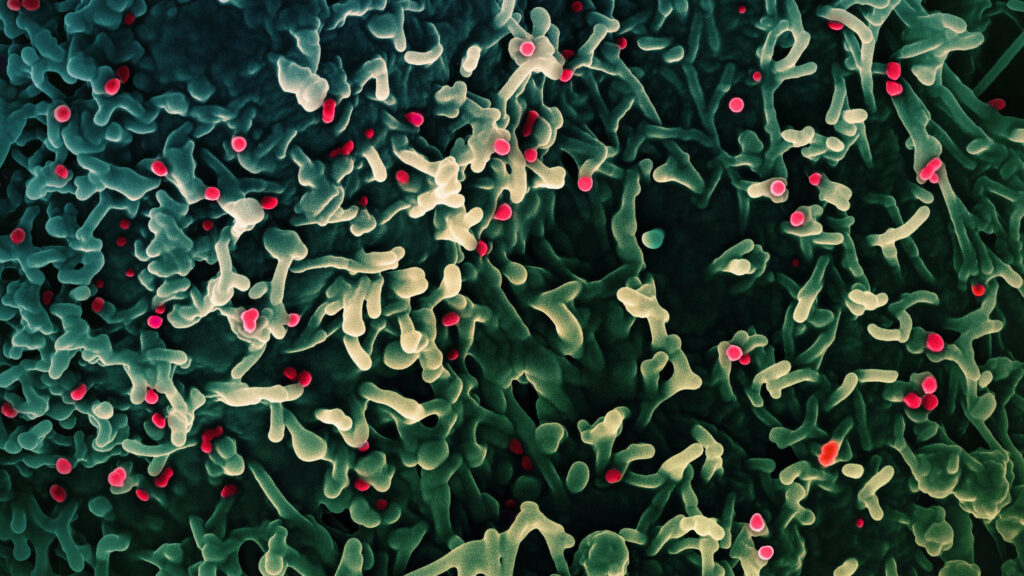
Two National Institutes of Health researchers face federal charges for allegedly smuggling deactivated mpox virus into the United States from the Republic of Congo, according to a criminal complaint unsealed in Detroit on Tuesday. Vincent Munster, 53, chief of the Virus Ecology Section at Rocky Mountain Laboratories in Montana, and Claude Kwe, 38, a research fellow, were detained at Detroit Metropolitan Airport in January 2026 after a flight from Brazzaville, where a monkeypox outbreak was ongoing. Federal authorities discovered 113 vials containing deactivated mpox, chickenpox, and human DNA in a black case they claimed held diagnostic equipment, the U.S. Attorney’s Office in Michigan said.
The Scope of the Alleged Smuggling
The FBI and Customs and Border Protection (CBP) investigators found 113 vials stored in styrofoam coolers during a search of the researchers’ luggage, according to a federal criminal complaint. Of these, 17 tested positive for deactivated monkeypox virus, one contained chickenpox virus, and two had human DNA, the U.S. Attorney’s Office stated. Munster, a Dutch citizen, and Kwe, a Cameroonian national, allegedly lied to CBP officers about the contents of their case, claiming it held “diagnostic and testing equipment.” The researchers were reportedly stopped after a flight from Paris, which included a nine-day stay in the Republic of Congo, where a monkeypox outbreak was active.

“These NIH experts apparently broke our laws by smuggling viral pathogens on a packed commercial airplane from an outbreak in the Republic of Congo. Let that sink in,” said U.S. Attorney Jerome F. Gorgon Jr. The case highlights the strict regulations surrounding the transport of biological materials, particularly those classified as “emerging viral pathogens” under the National Institutes of Health’s (NIH) biosafety protocols.
Biosafety Protocols and Legal Implications
Munster and Kwe worked at a Biosafety Level 4 laboratory, the highest level of containment for pathogens that pose a severe risk of life-threatening disease. Such facilities require “the highest level of biosafety precautions,” according to the U.S. Attorney’s Office. The researchers’ alleged actions—transporting vials of deactivated mpox without proper documentation—violate federal laws governing the handling of biological materials, including the Federal Anti-Terrorism Act and the Biological Agents and Toxins Act.
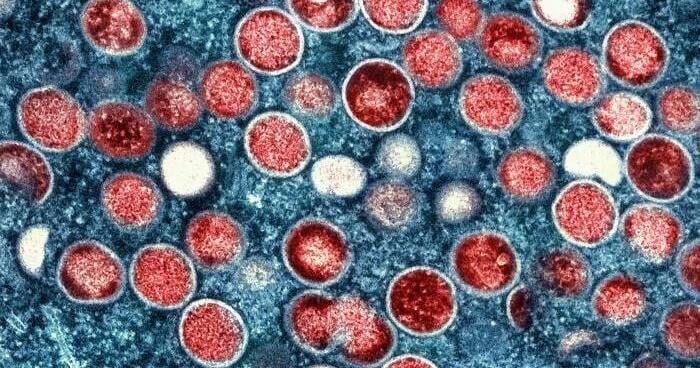
The FBI’s investigation revealed that Munster told CBP officers during the airport interview that he “did not need” documentation for the case, claiming, “I do this all the time.” However, the agency stated that “it is reasonable to believe that Munster’s statements regarding the possession of the required documentation to [customs officers] were materially false.” If convicted, the pair could face up to five years in prison for conspiracy to smuggle monkeypox and making false statements to federal law enforcement.
“Any deliberate effort to conceal and smuggle biological materials into the United States without proper authorization is a breach of the public’s trust and could have placed the public at risk,” said Marcus Sykes, special agent in charge of the U.S. Department of Health and Human Services Office of Inspector General. The incident has raised concerns about the oversight of high-risk research and the potential for lapses in biosecurity protocols.
Context and Broader Implications
Monkeypox, first identified in 1958, is a viral disease that can cause fever, rash, and swollen lymph nodes. While most cases are mild, the virus has the potential to cross species barriers, as noted in the U.S. Attorney’s Office’s description of the researchers’ work. The 2022 global outbreak, which spread to over 70 countries, marked the first confirmed instance of sexual transmission, according to Statnews.com. The current case involves deactivated virus, which is not infectious but still requires strict handling to prevent accidental release or misuse.

The researchers’ alleged actions have sparked debates about the balance between scientific research and biosecurity. The NIH’s Rocky Mountain Laboratories, where Munster and Kwe are based, is a leading institution for studying emerging viral pathogens. However, the incident underscores the risks associated with transporting such materials across international borders. “Along with our law enforcement partners, we will remain fiercely vigilant in neutralizing biological threats—or otherwise—and continue to hold accountable those who jeopardize the safety and security of the American people,” said CBP Director of Field Operations Marty C. Raybom.
The case also highlights the role of federal agencies in monitoring and enforcing biosecurity laws. The FBI’s Detroit Field Office is leading the investigation, with cooperation from the U.S. Attorney’s Office in Michigan. While the researchers are presumed innocent until proven guilty, the charges reflect the seriousness of the alleged violations. “These NIH experts apparently broke our laws by smuggling viral pathogens on a packed commercial airplane from an outbreak in the Republic of Congo. Let that sink in,” Gorgon said.
What Comes Next?
Munster and Kwe are scheduled to appear in federal court in Missoula, Montana, on Wednesday. The case will likely set a precedent for how federal agencies handle similar incidents involving high-risk biological materials. Legal experts note that the outcome could influence future regulations on the transport of pathogens, particularly in the context of global health emergencies.
For now, the case remains under investigation, with the U.S. Attorney’s Office emphasizing that the charges are “an allegation and not evidence of guilt.” The incident serves as a stark reminder of the responsibilities borne by scientists working with dangerous pathogens and the critical importance of adherence to biosecurity protocols. As the legal process unfolds, the broader implications for public health and scientific oversight will continue to be scrutinized.
Statnews.com reported on the FBI’s statement regarding the breach of public trust, while <a The incident serves as a stark reminder of the responsibilities borne by scientists working with dangerous pathogens and the critical importance of adherence to biosecurity protocols.
