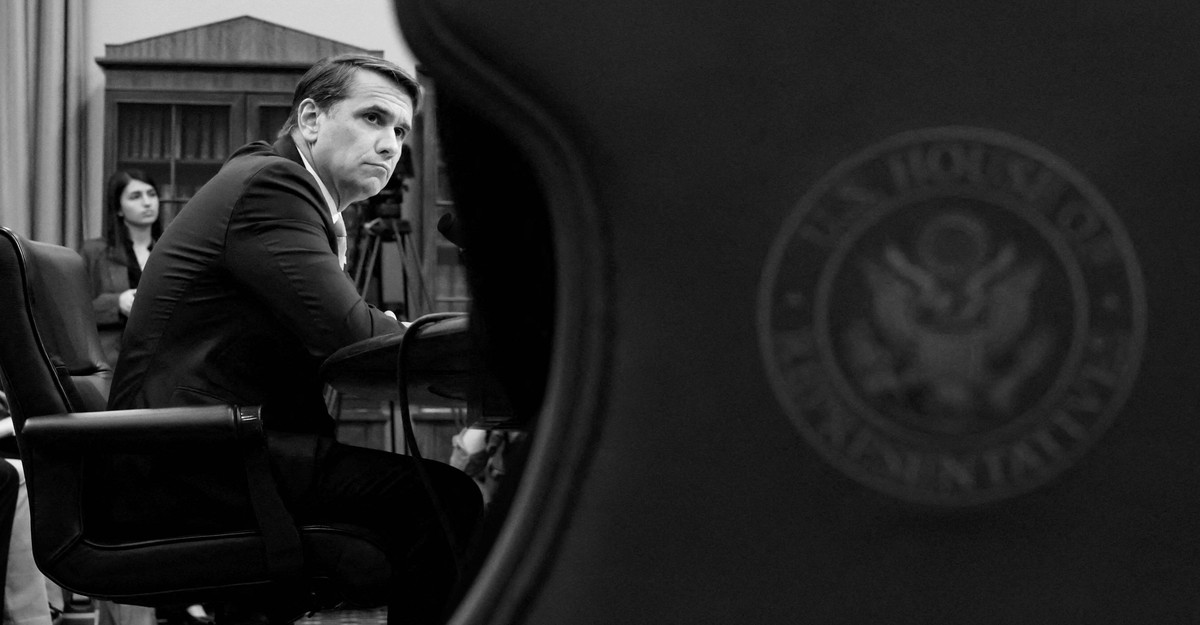
A federal judge has indefinitely blocked President Donald Trump’s $1.8 billion “weaponization” payout fund, a plan aimed at compensating supporters allegedly victimized by the Biden administration, according to multiple sources. The decision comes amid conflicting reports about whether the initiative is dead or merely on hold, with Justice Department officials and allies suggesting alternative paths for compensation.
Conflict Escalation: What Each Source Reports
The Justice Department officially abandoned plans for the $1.8 billion fund in late May, with Acting Attorney General Todd Blanche testifying before Congress that the initiative was “not moving forward.” However, The Atlantic reported that senior administration officials have privately assured allies that elements of the payout plan remain under consideration. “At my level, the fund is dead,” said Stanley Woodward, the third-ranking Justice Department official, in an interview with Reuters. “If somebody wants to submit a claim against the government and sue us, they can still do that.”
Yahoo News, citing legal experts and Trump allies, highlighted a potential workaround: compensating supporters through the Federal Tort Claims Act (FTCA), a 1946 law allowing individuals to file administrative claims against the U.S. government. “The government would have a lot of flexibility,” said Patrick Jaicomo, a senior attorney at the libertarian Institute for Justice. “It’s the most logistically feasible method.”
Legal Pathways: The Federal Tort Claims Act
The FTCA could enable Trump loyalists, including January 6 rioters, to seek damages from the government. Over 100 individuals involved in the Capitol attack have already filed claims, though most remain unresolved. Michael Caputo, a Trump ally who helped draft the original payout plan, said administration officials have “no indication that they’ve slowed down on trying to get victims paid.”
However, the Justice Department has not publicly endorsed this approach. A White House official told Reuters, “Any speculation about potential future actions is just that—speculation.” The department’s stance contrasts with internal reports of quiet discussions about reviving the fund, according to The Atlantic, which cited eight anonymous sources familiar with the matter.
Political Pressure: Senate Confirmations and Backroom Deals
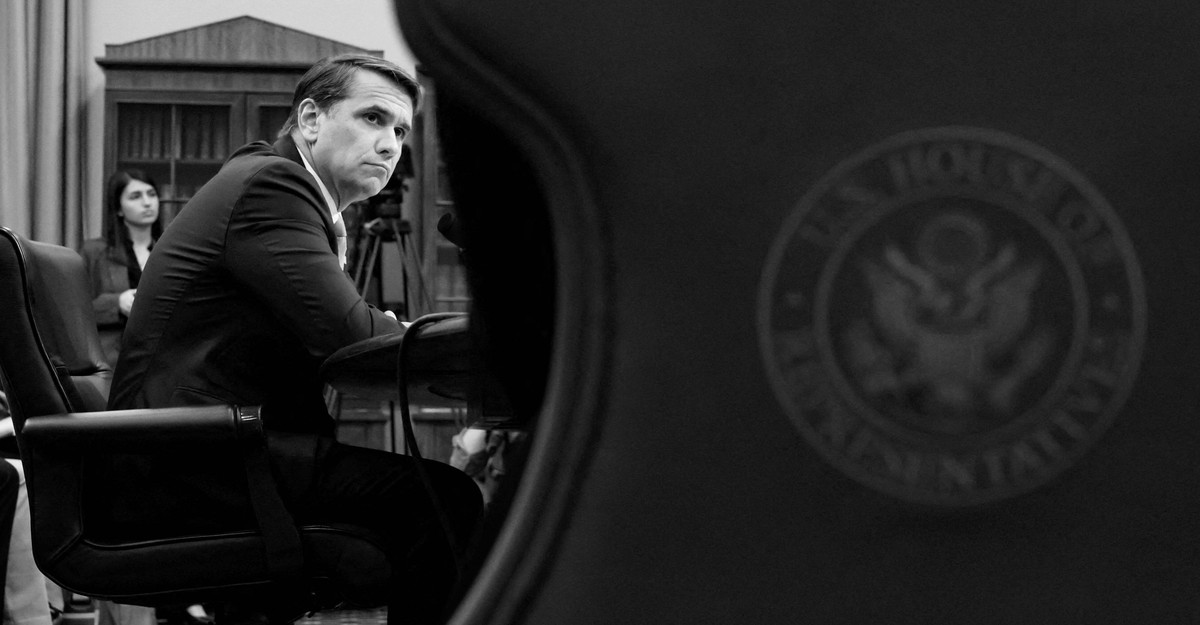
The fate of the fund is entangled with the Senate’s consideration of Todd Blanche’s nomination as attorney general. Republican lawmakers, including Senator Thom Tillis of North Carolina, have threatened to block the confirmation unless the fund is “truly dead.” Blanche’s testimony before Congress, where he refused to put his statement in writing, has drawn scrutiny. “We’re not moving forward with the fund,” Blanche said, but critics argue his words lack the legal weight of a formal policy reversal.
Meanwhile, the White House has emphasized its commitment to addressing “Biden-era weaponization,” a phrase Trump has repeatedly used to describe perceived government overreach. A senior DOJ official, speaking anonymously, said there have been no high-level discussions about reviving the fund since Blanche’s testimony. However, the official acknowledged that “the DOJ is a large institution” and that lower-level officials could still explore alternatives.
What Comes Next: A Divided Administration and Uncertain Outcomes
The administration’s internal divisions over the fund reflect broader political tensions. While some officials view the payout as a political slush fund, others see it as a means to compensate those they believe were unfairly targeted. “I’ve heard no indication that they’ve slowed down on trying to get victims paid,” Caputo said, urging supporters to “watch this space.”
Legal experts warn that the FTCA route is fraught with challenges. The government could resist claims by arguing that the actions in question were lawful, and courts may limit payouts to “actual damages” rather than symbolic compensation. Still, the existence of the original $1.8 billion fund has created a precedent that could influence future litigation.
Implications: A Test for Executive Power and Judicial Oversight
The judge’s block on the fund underscores the judiciary’s role in curbing what it perceives as executive overreach. However, the administration’s continued exploration of alternatives suggests the battle over compensation is far from over. As The Atlantic noted, “The work is being kept quiet while the Trump administration waits for opposition to the fund to blow over.”
For now, the $1.8 billion payout remains a symbol of the legal and political battles surrounding Trump’s legacy. Whether the fund is revived, rebranded, or replaced by the FTCA will depend on the interplay between congressional pressure, judicial rulings, and the administration’s willingness to pursue alternative strategies. As one anonymous official put it, “The fund is dead, but the fight isn’t.”
For more on this story, visit The Atlantic or read Yahoo News.
Find more reporting in our News section.
