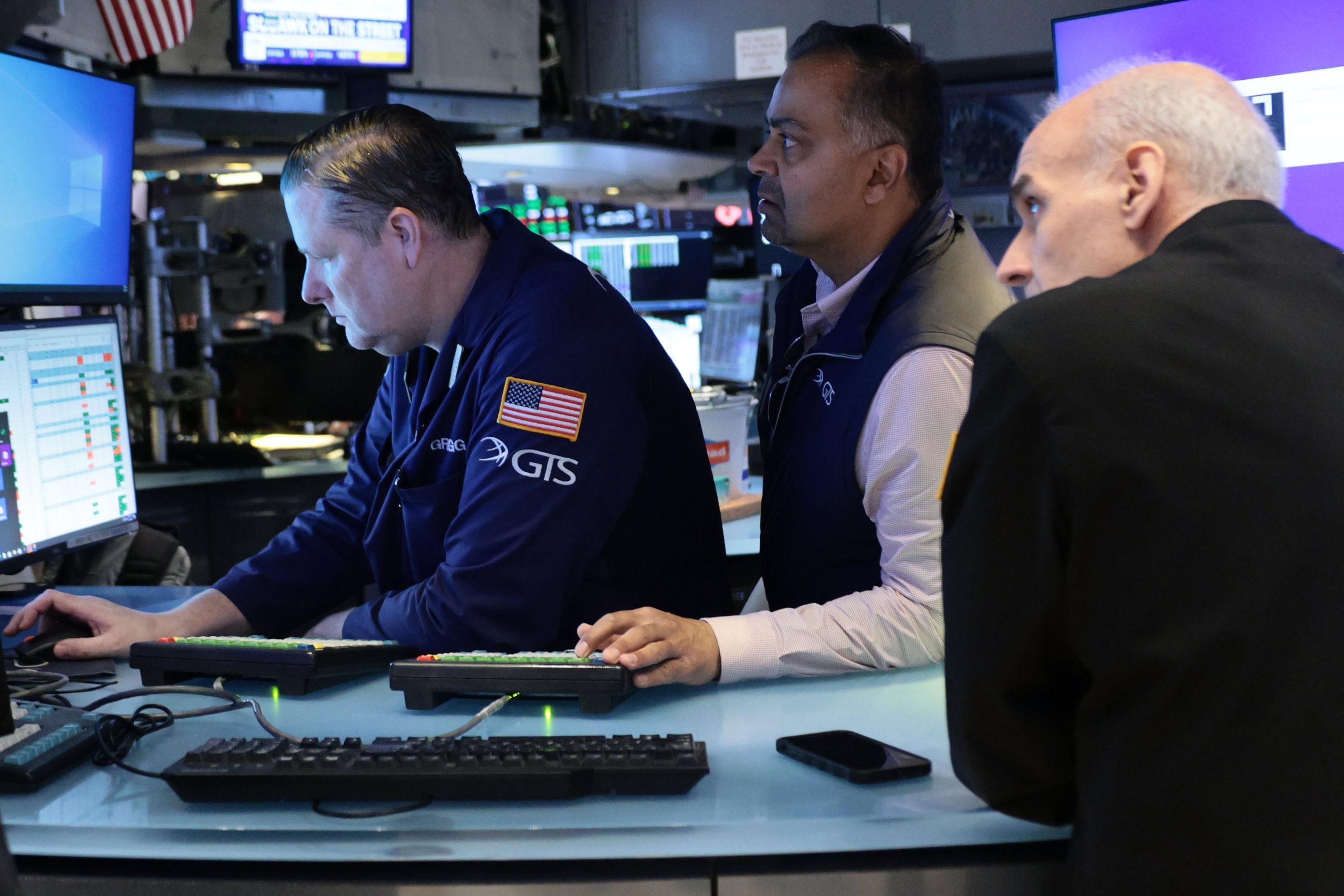
Stock futures surged on Monday night as oil prices retreated amid growing optimism that a diplomatic resolution to the U.S.-Iran conflict is within reach. Dow Jones Industrial Average futures rose 441 points, or 0.9%, following President Donald Trump’s remarks that negotiations are progressing, even as markets remained closed for the Memorial Day holiday.
Market Reaction to Diplomatic Hopes
The sudden jump in futures, reported by CNBC, reflects a broader investor appetite for risk as the prospect of de-escalation in the Middle East takes center stage. Alongside the Dow’s 0.9% gain, S&P 500 futures advanced 0.9%, and Nasdaq-100 futures climbed 1.2%. This market optimism follows a week of positive momentum, during which the S&P 500 secured its longest weekly winning streak since late 2023.

The relief rally is largely tied to a sharp drop in energy costs. West Texas Intermediate futures fell approximately 6% following comments from the White House regarding the state of diplomatic talks. President Trump indicated that efforts to end the current hostilities are “proceeding nicely.” However, the administration maintained a posture of caution, with the President warning that the U.S. retains the option to shift to an offensive strategy should the current negotiations falter.
Fundamental Drivers and Earnings Growth
While geopolitical developments are driving short-term sentiment, analysts point to an underlying strength in corporate fundamentals that has supported equity prices throughout the quarter. Adam Parker, founder of Trivariate Research, emphasized that the recent market rally is not merely a reaction to headlines but is anchored in robust earnings projections.

“There is no doubt that fundamentals are at least partially responsible for the market rally,” wrote Adam Parker, founder of Trivariate Research. “With earnings projected to grow 23% this year, and 16% next year, there’s a credible argument to make that despite the increasing projections for earnings, and strong earnings growth, the price-to-forward earnings has been modestly contracting.”
This structural support has been critical as investors navigate a complex environment. The Dow climbed 2.1% last week, marking its third weekly gain in four weeks, while the Nasdaq rose 0.5%, extending a streak that has seen it post gains in seven of the last eight weeks. The persistence of these gains, particularly in the tech-heavy Nasdaq, underscores a resilience in the face of volatile global energy markets.
For more on this story, see Nvidia Earnings Overshadowed as S&P Futures Dip Amid Oil Surge, Bond Yields Rise.
Inflationary Pressures and Fed Policy Outlook
Despite the optimism surrounding crude oil’s decline—which saw U.S. crude lose 8.4% last week—inflationary concerns remain a persistent factor for the Federal Reserve. Energy prices are still trading significantly above levels seen earlier in the year, keeping price pressures elevated and complicating the path for monetary policy.
According to the CME Group’s FedWatch tool, market expectations for a rate hike have shifted markedly. Traders are currently pricing in an 8.5% probability of a rate increase in July, a notable jump from the 0.9% chance seen just one month ago. This adjustment suggests that while investors are cheering the potential end of the war, they are simultaneously recalibrating their portfolios to account for a central bank that may need to maintain higher rates for longer than previously anticipated.
The Federal Reserve’s policy committee, which monitors these inflationary inputs closely, has previously signaled that energy price volatility is a key variable in its assessment of whether the current target range for interest rates remains appropriate. Investors are now looking toward the next Federal Open Market Committee meeting, where officials will evaluate whether the recent cooling in crude oil prices provides sufficient relief to the broader consumer price index.
Institutional Analyst Activity
As the market digests these macro shifts, institutional analysts continue to update their outlooks on key components of the Dow and broader indices. Recent filings from Business Insider highlight a series of maintained ratings and price targets issued between May 18 and May 22, 2026. These updates reflect a consensus among major financial institutions that despite geopolitical headwinds, the earnings potential for blue-chip entities remains a primary driver for equity valuation.

This follows our earlier report, Dow Jones Hits Record High of 50,600 as U.S. Stocks Rally on Easing Yields.
The following table summarizes selected analyst ratings for major companies:
| Company | Firm | Action | Price Target |
|---|---|---|---|
| Walmart | UBS | Maintained Buy | $141 |
| UnitedHealth Inc. | UBS | Maintained Buy | $460 |
| American Express Co. | Loop Capital | Maintained Buy | $389 |
| Chevron Corp. | Morgan Stanley | Maintained Buy | $214 |
| NVIDIA Corp. | Baird Patrick & Co | Maintained Buy | $500 |
| Home Depot | UBS | Maintained Buy | $430 |
With the market poised for the post-holiday session, the primary focus remains on whether the diplomatic progress mentioned by the White House holds, or if the lingering threat of renewed military action will force a reversal in the current energy price trends. Investors will be watching for any concrete developments from the negotiation table, as well as updated economic data that could sway the Federal Reserve’s next policy move. The interplay between energy market stabilization and the Federal Reserve’s interest rate trajectory continues to define the boundaries of the current bull market, with market participants closely monitoring every signal from both the executive branch and central bank leadership regarding the duration of the current de-escalation period.
