
Ukrainian President Volodymyr Zelenskyy confirmed on June 21, 2026, that long-range drones successfully struck an oil refinery in Russia’s Tyumen region, located more than 2,000 kilometers from the Ukrainian border. The strike, carried out by drones developed by the Ukrainian company Fire Point, marks a significant expansion in the reach of Kyiv’s aerial operations against Russian infrastructure.
Ukrainian Long-Range Strike Capabilities and the Tyumen Operation
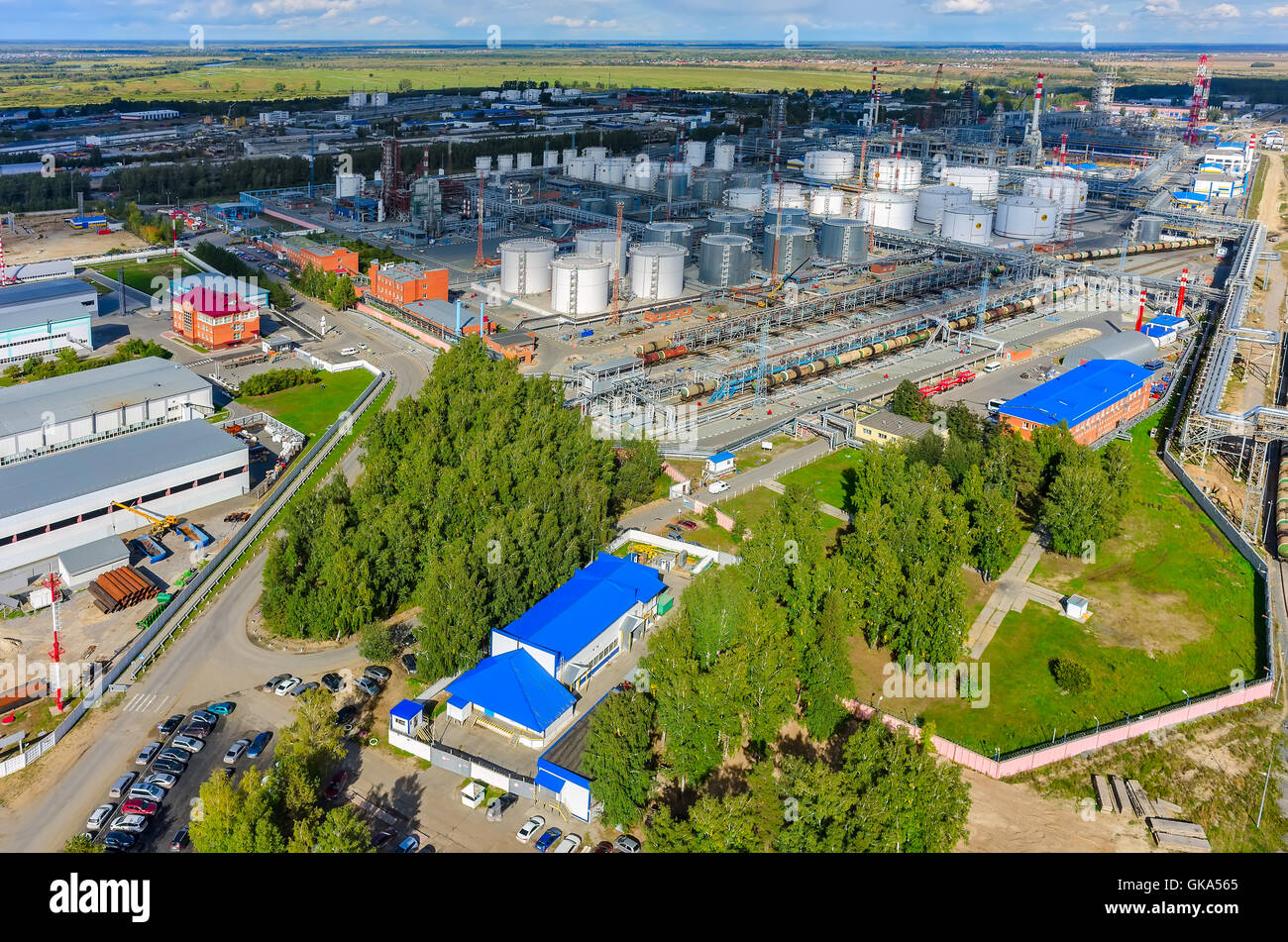
The attack on the Tyumen region, also known as the Antipinsky refinery, represents a substantial increase in the operational distance of Ukrainian forces. According to The Guardian, President Zelenskyy stated that the new drones are capable of traveling more than 3,000 kilometers. In his nightly address, he characterized the operation as “effective work,” noting that the military reached targets deep within Russian territory.
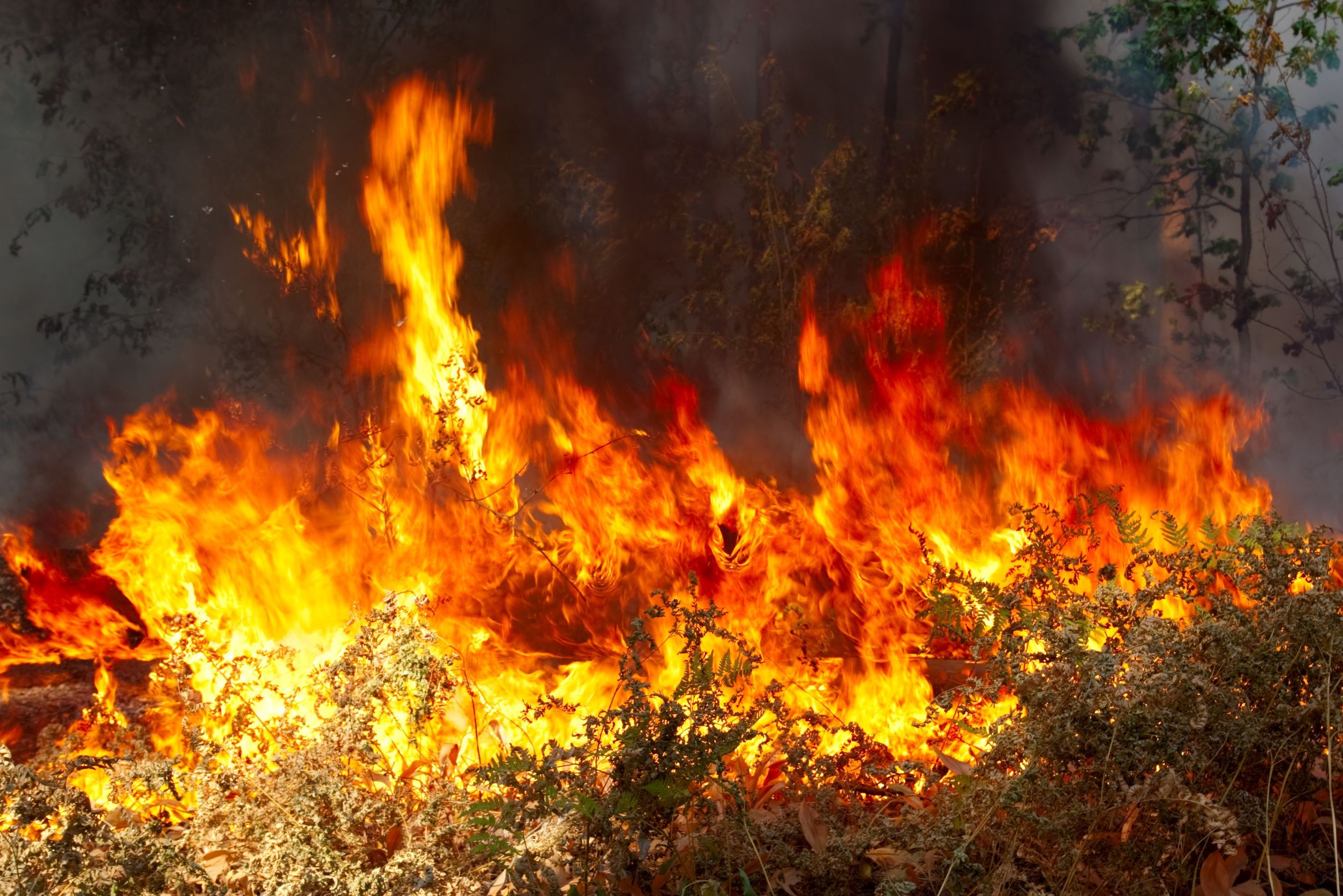
While Ukrainian officials confirmed the strike, Russian authorities offered a different narrative. The Tyumen governor, Alexander Moor, claimed that emergency services were merely responding to “fallen [drone] debris” at the site, a phrase often utilized by Moscow to minimize the impact of successful strikes on critical facilities. International observers note that this rhetorical pattern mirrors previous Russian responses to strikes on energy infrastructure, where officials consistently emphasize the containment of incidents to maintain perceptions of domestic security.
Debate Over Russian Defense Efficacy
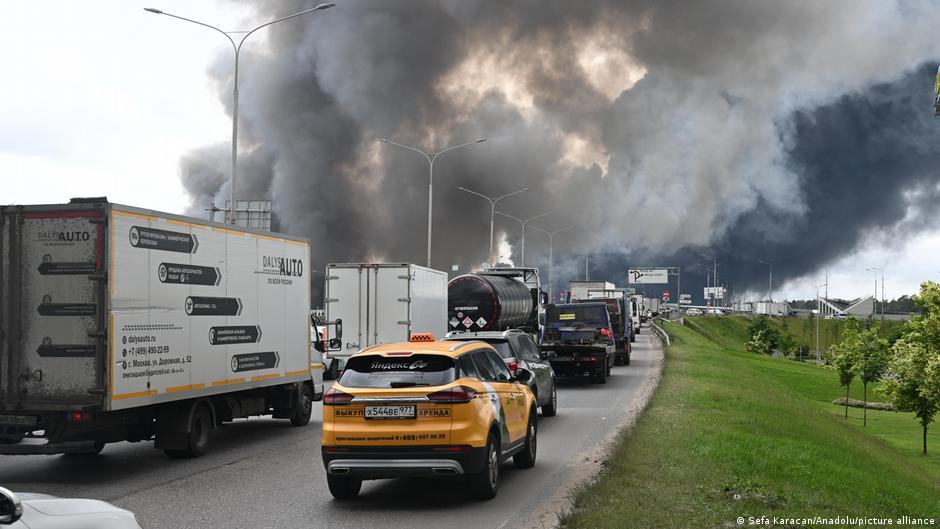
The recent intensification of drone attacks has ignited a broader debate regarding the integrity of Russia’s air defense network. Following a major June 18 attack on Moscow that forced evacuations at the city’s largest airport and halted production at a key oil refinery, analysts are divided on whether the system is failing or simply being overwhelmed.
Ruslan Leviev, founder of the Conflict Intelligence Team, told DW that the perception of a failing defense is common among non-specialists who see missiles miss their targets. “That impression forms among non-specialists, who see a missile fly past a drone without hitting it,” Leviev said.
Leviev maintains that Russia’s defensive architecture has not necessarily degraded, noting that his team observed Russian systems downing more than 90% of UAVs over Moscow. However, he acknowledges that the sheer volume of incoming projectiles creates a logistical strain. “Russia has fallen into the trap of the very ‘math of war’ it once tried to impose,” Leviev stated, explaining that mass drone attacks demand more hardware than any industry can reliably supply.
Technological Evolution and Systemic Limitations
Ukrainian aviation expert Anatoliy Khrapchynskyi suggests that the breaches are driven by both the degradation of Russian systems and the technological advancement of Ukrainian drones. Khrapchynskyi noted that Russian air defense systems like the Pantsir-S1 were designed for high-reflectivity metal targets, such as cruise missiles. Modern drones, often constructed from composite materials like plywood or plastic, are effectively “blind” spots for these systems, which rely on radar cross-sections that these newer, smaller aircraft do not trigger.
The geographical reality of Russia also plays a role. Leviev pointed out that building an “unbroken air wall” is impossible given the country’s vast size. Furthermore, Moscow’s high urban density allows drones to exploit flight paths that hide them from radar behind buildings, a tactic that complicates the intercept process for traditional ground-based air defenses.
Broader Conflict Context and Diplomatic Implications
The strike in Tyumen is part of a wider wave of operations across the theater of war. Satellite imagery from NASA confirmed fires at an oil terminal in Kerch, Crimea, on June 21, while additional strikes were reported at electrical substations and targets in Yevpatoria and Sevastopol. These strikes are occurring against a backdrop of ongoing diplomatic efforts by international bodies to monitor the escalation of hostilities, with various agencies tracking the impact of these strikes on global energy supplies.
Within Russia, the success of these strikes has caused alarm among pro-Kremlin commentators. Exiled journalist Ivan Filippov noted that these observers are not necessarily calling for peace, but for a more aggressive military posture.
“They don’t want the war to stop — they want a more effective war,” Filippov told DW. “But I think they understand perfectly well that these reforms are impossible. So these texts tend to be pessimistic.”
As the conflict continues, the focus remains on whether Ukraine can sustain the production of long-range hardware and if Russia can adapt its legacy air defense systems to counter the shift toward small-scale, composite-material drone swarms. For now, the successful reach of the Tyumen strike serves as a clear indicator that the geographic distance of Russian industrial assets no longer guarantees safety from Ukrainian long-range capabilities, forcing a recalibration of defensive priorities across the Russian interior.
Find more reporting in our World section.
