Iran’s Islamic Revolutionary Guard Corps Navy announced on Saturday the closure of the Strait of Hormuz, citing alleged ceasefire violations following continued Israeli strikes in Lebanon. While Iran frames the move as a response to breach of commitments, U.S. Central Command maintains that traffic continues, with 55 merchant ships transiting the waterway on Saturday.
Tehran’s Strategic Closure and the U.S. Response
The decision to block the Strait of Hormuz marks a volatile turn in the week-old peace deal between Iran and the United States. Iran’s joint military command described the closure as the “first step” in retaliation against the U.S. and Israel for what it characterizes as ongoing breaches of the agreement, according to NBC News. The Strait of Hormuz is widely recognized as the world’s most important oil transit chokepoint, through which a significant percentage of total global petroleum liquids consumption passes daily. Any disruption to this narrow passage typically triggers immediate volatility in global energy markets due to the concentration of oil production from Persian Gulf exporters.

Despite the Iranian warning that vessels approaching the waterway would face risks, the U.S. military reported a different reality on the ground. According to U.S. Central Command, 55 merchant ships successfully transited the strait on Saturday, continuing the flow of commerce. The command stated these vessels were “moving large amounts of cargo and more than 17 million barrels of oil to global markets.”
Escalating Violence in Southern Lebanon
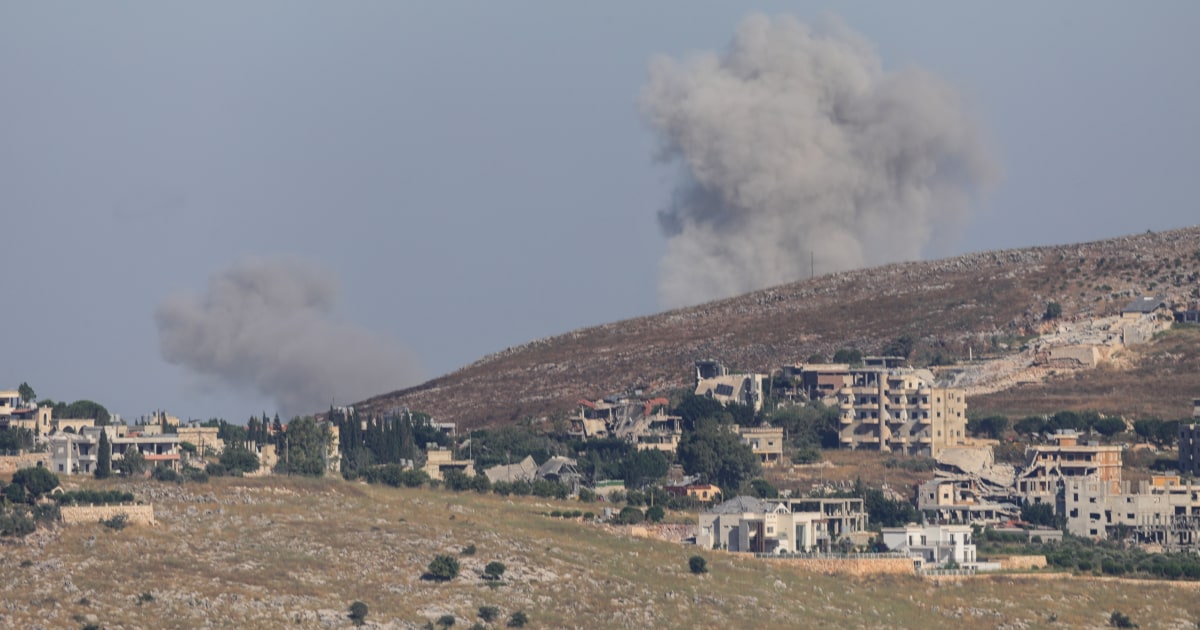
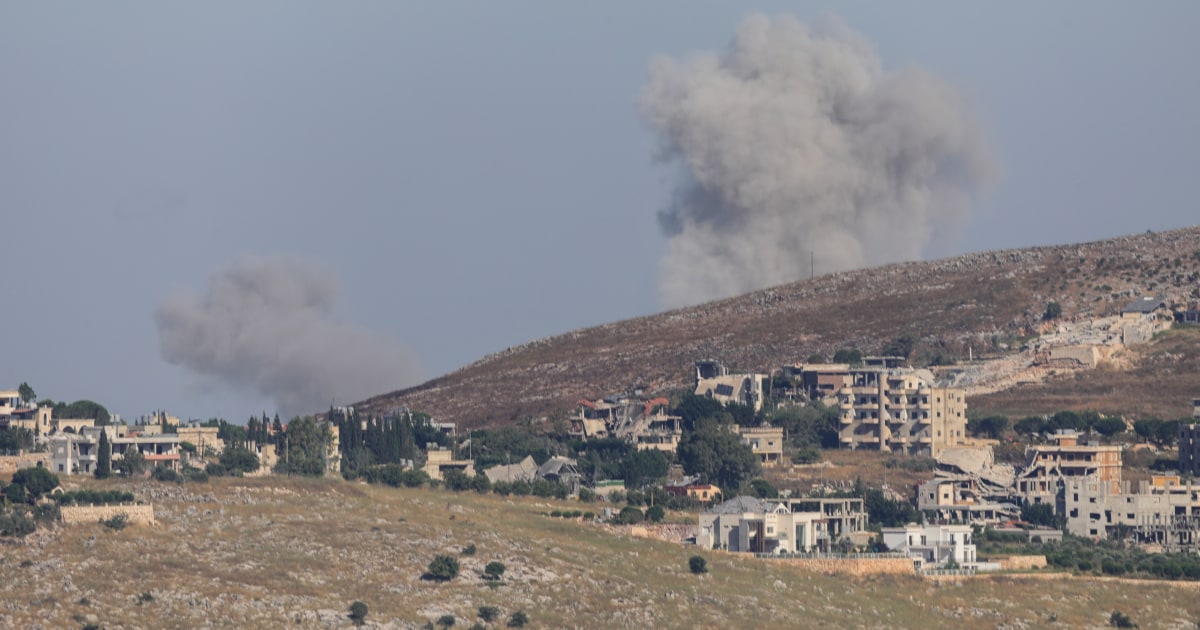
The geopolitical friction is fueled by a surge in violence across Lebanon, which has continued despite the ceasefire implemented on Friday. On Saturday, Israeli strikes in southern Lebanon resulted in at least 16 deaths, including two children. Reports from the Lebanese news agency NNA indicated that an airstrike in Arabsalim killed three people, while a drone strike in Deir al-Zahrani claimed another life.

The Israel Defense Forces (IDF) defended its actions by citing direct provocation from Hezbollah. The IDF reported that the militant group “launched more than 50 projectiles toward IDF soldiers operating in southern Lebanon” overnight. In a statement, the IDF asserted: “The IDF remains committed to the ceasefire agreement,” while simultaneously confirming it had targeted Hezbollah positions in response to the projectiles. Under international norms governing such conflicts, parties to a ceasefire often interpret “defensive fire” differently, leading to frequent, competing accusations of sabotage as each side attempts to hold the other responsible for the initial breach of the cessation of hostilities.
For more on this story, see Iran Accuses US of “Grave Violation” of Ceasefire.
Hezbollah, however, maintains that it has “adhered to the ceasefire since Friday evening.” The group accused Israel of fabricating claims of ceasefire breaches to justify military operations and “sabotage the agreement” between Iran and the U.S.
Diplomatic Stakes in Switzerland
The viability of the broader peace process now rests on high-level negotiations taking place in Switzerland. As reported by Al Jazeera, U.S. officials are actively engaged in “technical-level talks” to salvage the agreement.
The delegation, which includes special envoy Steve Witkoff and Jared Kushner, is tasked with “dealing with some of the technical elements of this negotiation,” according to NBC News. The focus remains on two primary objectives: stabilizing the nuclear issue and solidifying the Lebanon ceasefire.
“I think we’re going to hopefully make progress on the nuclear issue, hopefully make progress on the Lebanon ceasefire issue. Those are the two big things that I think we’re going to be focused on.” Steve Witkoff, U.S.
Uncertainty Over the 60-Day Agreement
The current peace agreement, which established toll-free travel through the Strait of Hormuz for a 60-day window, is already showing signs of strain. President Donald Trump has signaled a hardline stance, threatening to impose U.S. tolls if a final, permanent deal is not reached within that 60-day timeframe. Such agreements are historically fragile, as they rely on the continued political will of multiple regional stakeholders, including the Iranian government and various non-state actors in Lebanon.
For now, the U.S. military remains in a posture of enforcement. Central Command stated that its forces “remain present and vigilant to ensure all aspects of the agreement with Iran are adhered to, obeyed, and in full force and effect.” Whether this presence is enough to deter further regional escalation remains the central question for diplomats as the weekend concludes.
Find more reporting in our World section.
