Commercial traffic through the Strait of Hormuz remains significantly lower than pre-war levels, yet activity is busier than previously reported. While the U.S. and Iran remain locked in a tense standoff, U.S. Central Command is quietly providing guidance to commercial vessels, helping nearly 1,000 ships transit the waterway in the last two months.
Discrepancies in Strait Traffic Data
The true volume of maritime traffic currently passing through the Strait of Hormuz has become a subject of conflicting reports. While the daily transit rate of over 100 ships before the February 28 start of the war has plummeted, the actual number of vessels moving through the region is higher than some initial estimates suggested.
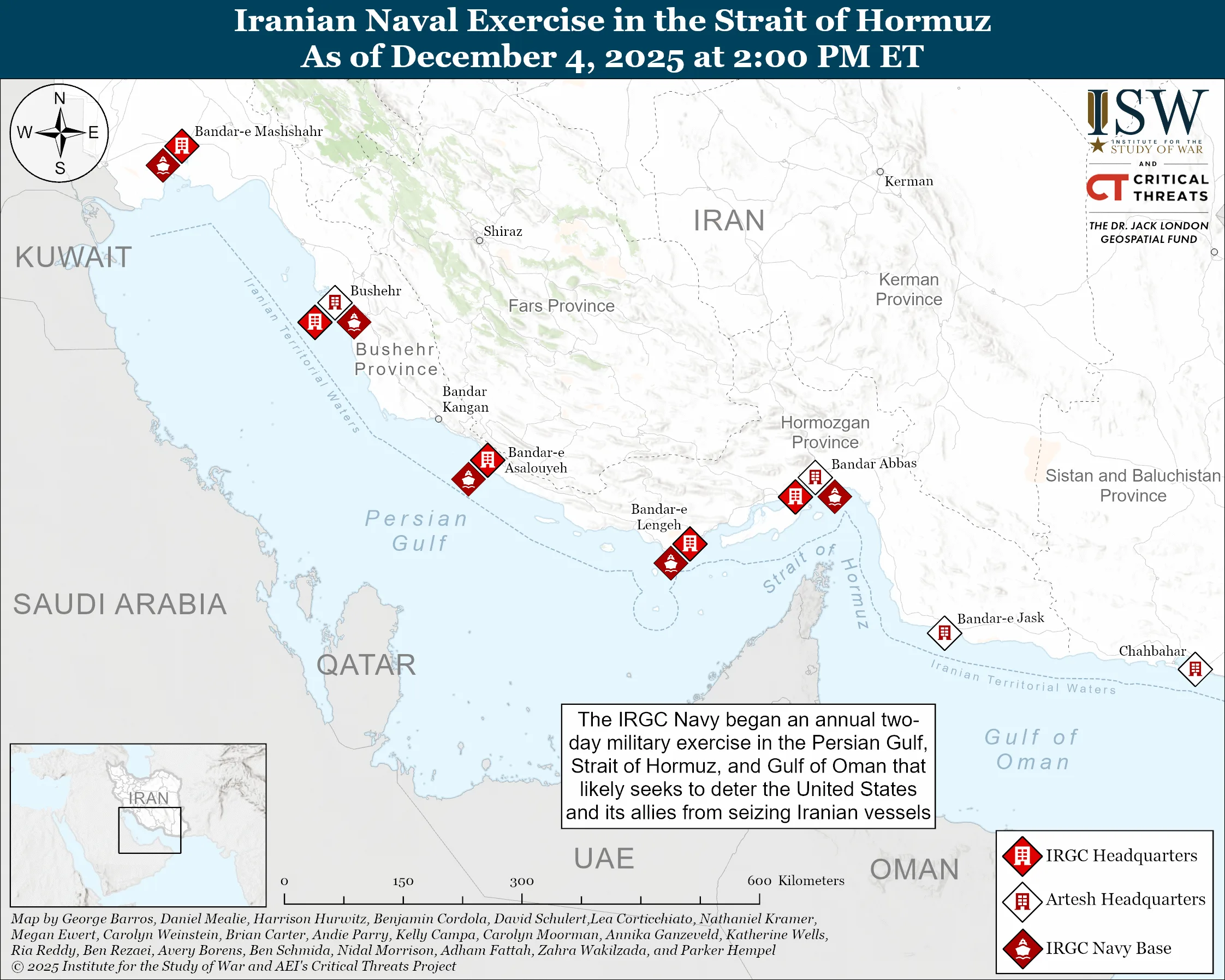
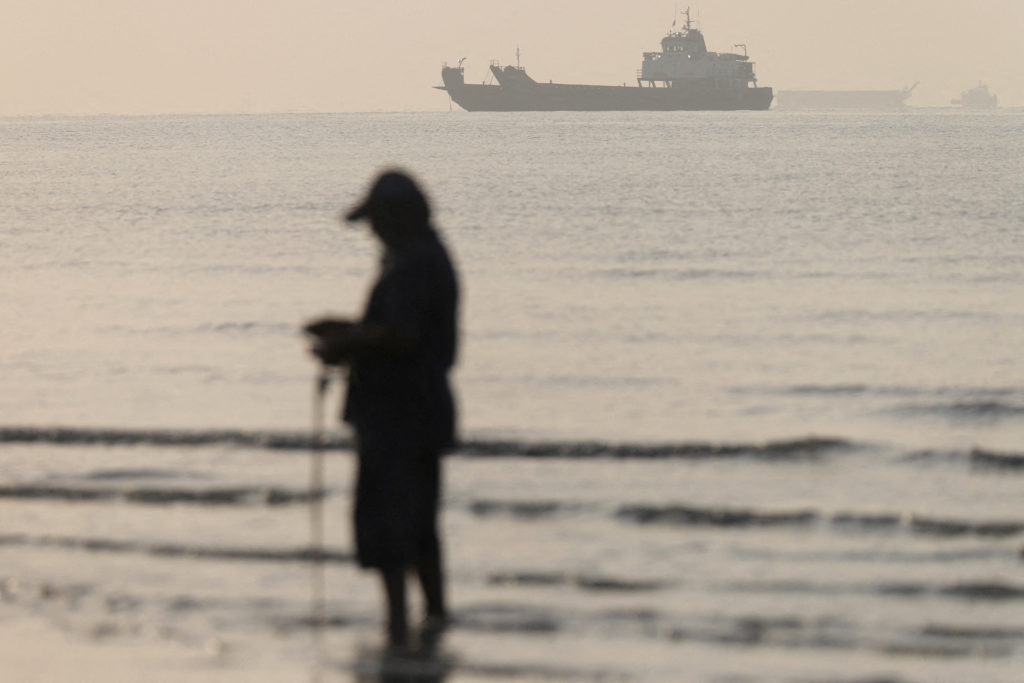
According to reporting from Fortune, U.S. forces have tracked nearly 1,000 commercial vessels entering and exiting the strait over the past two months. This figure averages to approximately 17 ships per day. This estimate likely accounts for vessels that have disabled their Automatic Identification Systems (AIS) to avoid detection, as well as those utilizing both the Iran-sanctioned transit lane and an alternate route along the coast of Oman.
Other organizations provide more conservative tallies for the same general period:
Joint Maritime Information Center: Reported 558 cargo ships and oil tankers between March 1 and June 3.
Kpler: Recorded 895 ships transiting the area from March 1 through May 19.
The Mechanics of U.S. Naval Overwatch
Photo: PBS
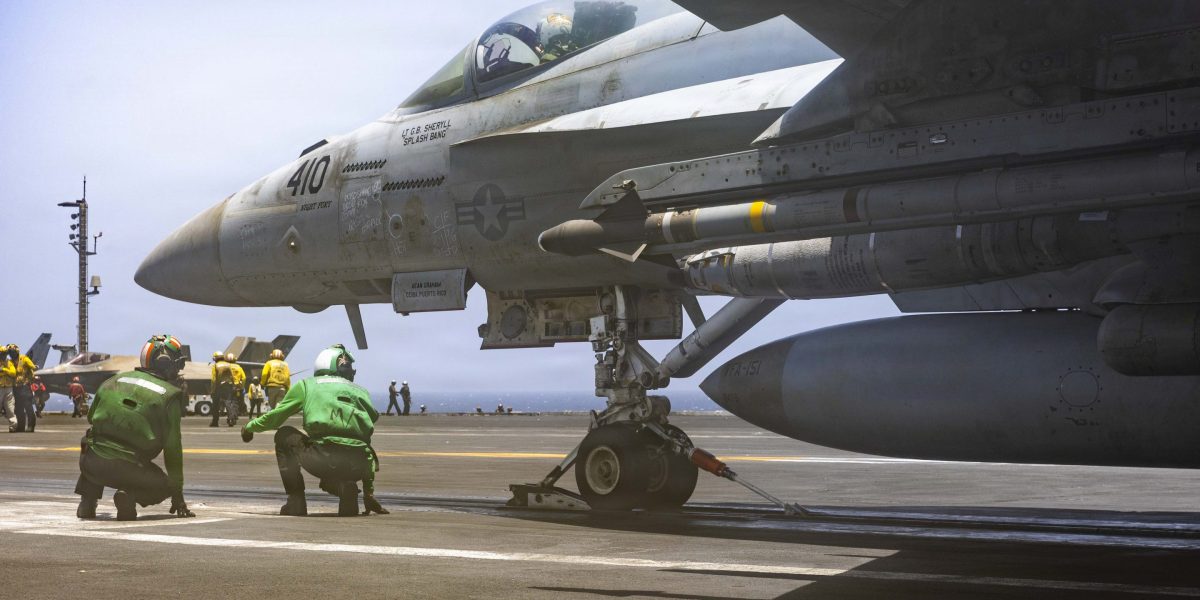
The U.S. military has moved away from direct escort missions, instead adopting a strategy of “quiet U.S. naval overwatch” to facilitate maritime safety. Central Command officials maintain that they are not actively escorting commercial traffic, but are providing advisory services to ships navigating the Persian Gulf.
This support includes monitoring traffic via radar and drones, and advising merchant crews on when to deactivate AIS or how to mitigate Iranian threats. This follows earlier, less successful attempts at formal intervention, such as the short-lived “Project Freedom” initiative. The U.S. Navy also conducted mine-clearing operations in April to help secure the Omani coastal lane. Despite these measures, the Persian Gulf remains a volatile combat zone. Last weekend, U.S. forces disabled a vessel attempting to breach a naval blockade by firing into its engine room.
“The attack drones posed an immediate threat to regional maritime traffic,” and “U.S. forces subsequently struck Iranian coastal surveillance radar sites in Goruk and on Qeshm Island to defend against further maritime attacks.”Central Command, via Fortune
The U.S. also conducted “self-defense strikes” against Iranian military infrastructure following the downing of a U.S. drone, as reported by Fortune.
Energy Market Strains and Global Supply Chains
U.S. NAVY INCREASES NAVAL PRESENCE NEAR THE STRAIT — IRAN RESPONDS WITH SHARP WARNING
The persistent disruption at the Strait of Hormuz is causing ripple effects that extend well beyond the oil sector. Daniel Yergin, vice chairman of S&P Global, notes that while the U.S. and China have managed to buffer the initial shock through significant domestic inventories, the situation is becoming increasingly precarious.
Yergin warns that the market is approaching a critical point. “We estimate at S&P that it would take as much as six months to get back” to normal operations, Yergin told PBS. The impact is geographically uneven:
Asia: Facing an acute energy crisis with shortages of diesel and fertilizer.
United States: Seeing the impact primarily in rising gasoline prices, which currently average around $6 per gallon in states like California.
Europe: Experiencing significant pressure on jet fuel supplies.
Beyond energy, the most significant overlooked consequence is the global supply of fertilizer, of which the Persian Gulf region historically provided one-third of the world’s traded volume. This shortage is hitting during the critical planting season, threatening global food security, according to NPR.
What to Expect in the Coming Weeks
Photo: NPR
As of June 7, 2026, the diplomatic path forward appears stalled, with ceasefire talks described as “dead in the water.” Market analysts anticipate that if no relief is found by July, global energy prices may face a sharp reversal, potentially driving costs even higher as inventories deplete.
The IRGC continues to enforce its own transit lane, charging tolls to permitted vessels and threatening those that cross unauthorized. With Iran viewing the control of the strait as its primary source of leverage, the area is unlikely to see a return to normalcy in the immediate future. For commercial shippers, the reliance on U.S. guidance and “dark” transit routes remains the only viable, albeit dangerous, path for survival in the Gulf.
Claire Donovan coordinates breaking-news coverage across global time zones. She has reported on elections, social movements, and investigative stories in over ten countries. Known for her calm leadership under pressure, Claire guarantees Globally Pulse delivers news that is fast, factual, and fair.