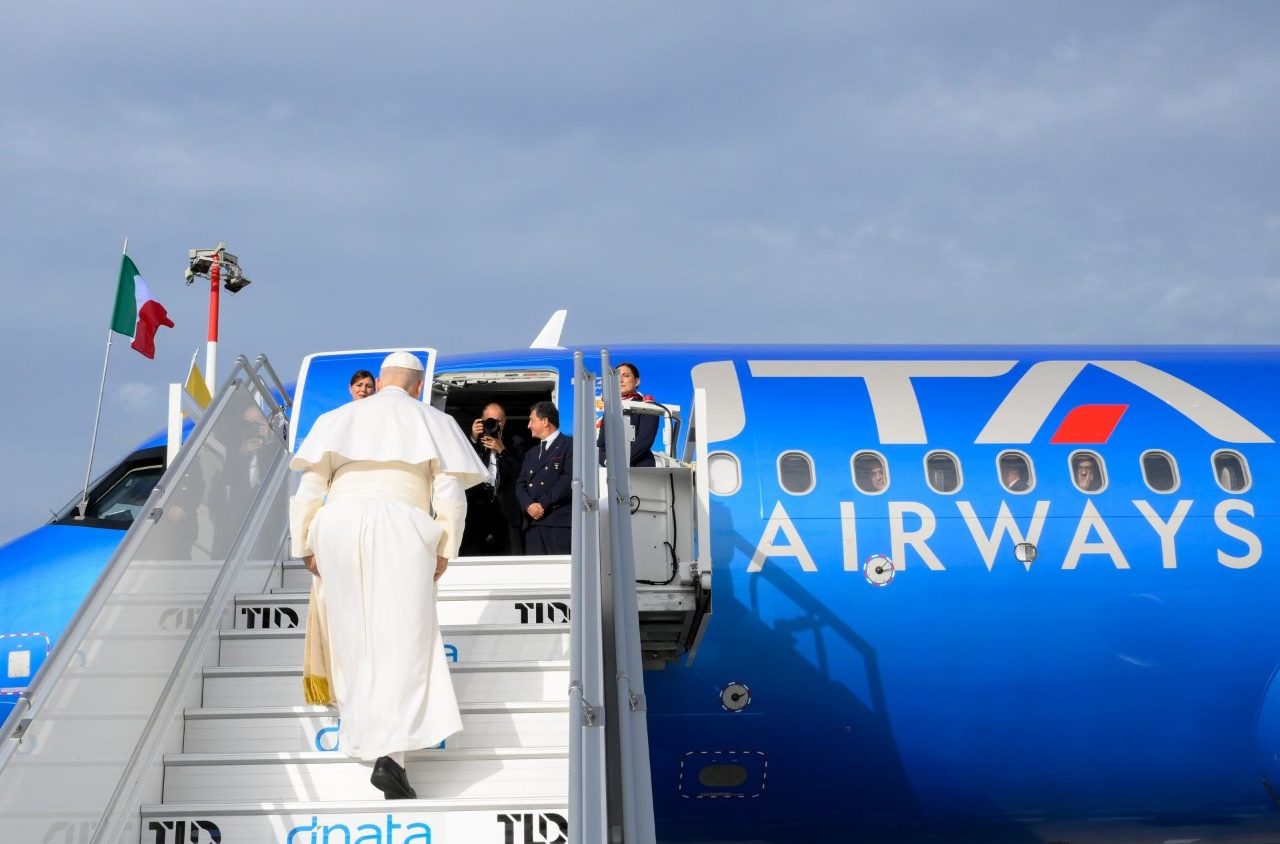
Pope Leo XIV began his weeklong apostolic journey to Spain on Saturday, June 6, 2026, marking the first papal visit to the country in 15 years and the first by a U.S.-born pontiff. The trip, which includes Madrid, Barcelona, and the Canary Islands, coincides with a deeply secularized Spain grappling with political polarization and a waning Catholic presence, while also confronting the legacy of clergy abuse and the Church’s evolving role in modern society.
A Papal Visit to a Secularizing Spain
The visit underscores a shifting dynamic between the Vatican and a Spain that has moved far from its once-staunch Catholic identity. In 2020, 31.6% of Spaniards aged 15–29 identified as Catholic, rising to 45% by 2025, according to recent surveys cited by The Guardian. Yet, only 18.3% of Spaniards actively practice their faith, a decline from 71.7% in 2011. This secularization is compounded by a political crisis: Prime Minister Pedro Sánchez’s Socialist government faces corruption scandals and calls for his resignation ahead of 2027 elections, with conservative and far-right parties criticizing his migration policies.
The Vatican has framed the trip as a chance to “envisage the future, even in an age of strongmen, where the church seeks to foster holy men,” as Vatican spokesman Matteo Bruni noted in AP News. Yet the visit also highlights the Church’s ongoing reckoning with its past. The Vatican confirmed that Leo will meet with survivors of clergy abuse during the trip, a sensitive issue in Spain, where the Catholic hierarchy is only now confronting decades of cover-ups.
The Itinerary: From Madrid’s Royal Palaces to the Canary Islands’ Migration Crossroads
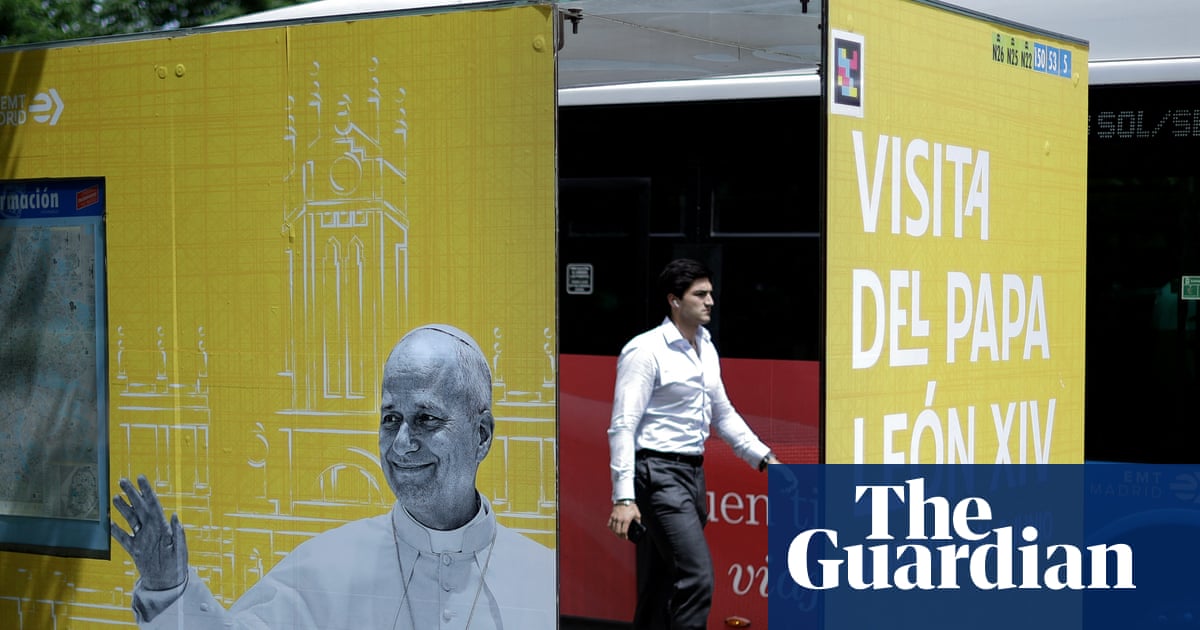
The pope’s schedule is a carefully curated blend of ceremonial, pastoral, and political engagements. His arrival in Madrid on June 6 was met with widespread public anticipation, with his image plastered across metro ads, billboards, and souvenir shops. The itinerary includes a private audience with King Felipe VI and Queen Letizia, a meeting with civil society representatives, and a prayer vigil with young people in Madrid’s Plaza de Lima. On June 8, he will deliver a historic speech to the Spanish Parliament, the first by a pope in the country’s history.
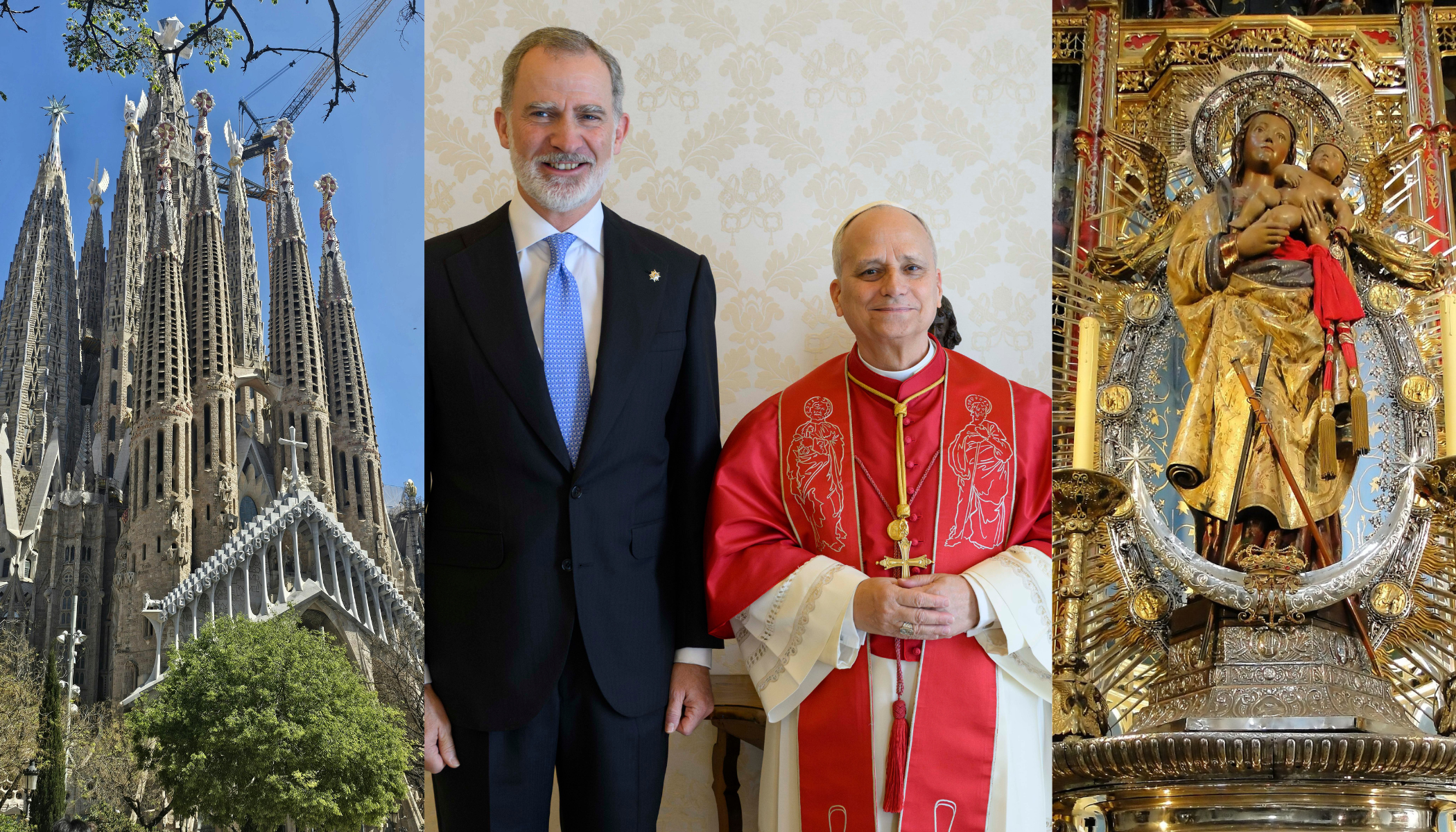
Barcelona, a city with deep Catholic roots, will host a Corpus Christi Mass and a visit to the Sagrada Família, where Leo will inaugurate the Jesus Christ tower. The trip’s final leg takes him to the Canary Islands, where he will meet migrants and refugees who have risked their lives on the perilous Atlantic crossing. Last year, 1,172 migrants died en route to the Canaries, a stark reminder of the humanitarian challenges Spain faces. The Guardian notes that Leo’s focus on migration aligns with his broader call for “disarm[ing] AI amid increased reliance” in his first encyclical, a theme he has emphasized in recent months.
Spain’s Catholic Legacy: From Marian Shrines to Civil War Martyrs
Spain’s Catholic heritage is deeply etched into its landscape and history. Pope John Paul II once called the country “Tierra de María” (“Mary’s land”), a nod to its abundance of Marian shrines. The Cathedral of Almudena in Madrid, consecrated by John Paul II in 1993, stands as a symbol of the Church’s enduring influence. Yet the country’s Catholic identity has been shaped by darker chapters, including the Spanish Civil War (1936–1939), during which an estimated 6,832 clergy and religious were killed, along with thousands of lay Catholics. EWTN News highlights that the Church has since beatified nearly 1,000 of these “martyrs,” a process that reflects both spiritual reconciliation and political symbolism.
The visit also underscores Spain’s role as a global Catholic powerhouse. The country sends more missionaries than any other, with nearly 10,000 active missionaries, half of whom are women, as reported by the Pontifical Mission Societies in EWTN News. This missionary legacy contrasts sharply with the declining domestic church attendance, raising questions about the Church’s future in the country.
The Political Calculus Behind the Trip
Leo’s visit arrives at a pivotal moment for Spain’s political landscape. The Socialist government, already under fire for corruption allegations, may see the papal visit as an opportunity to bolster its legitimacy. <a href="https://www.theguardian.
