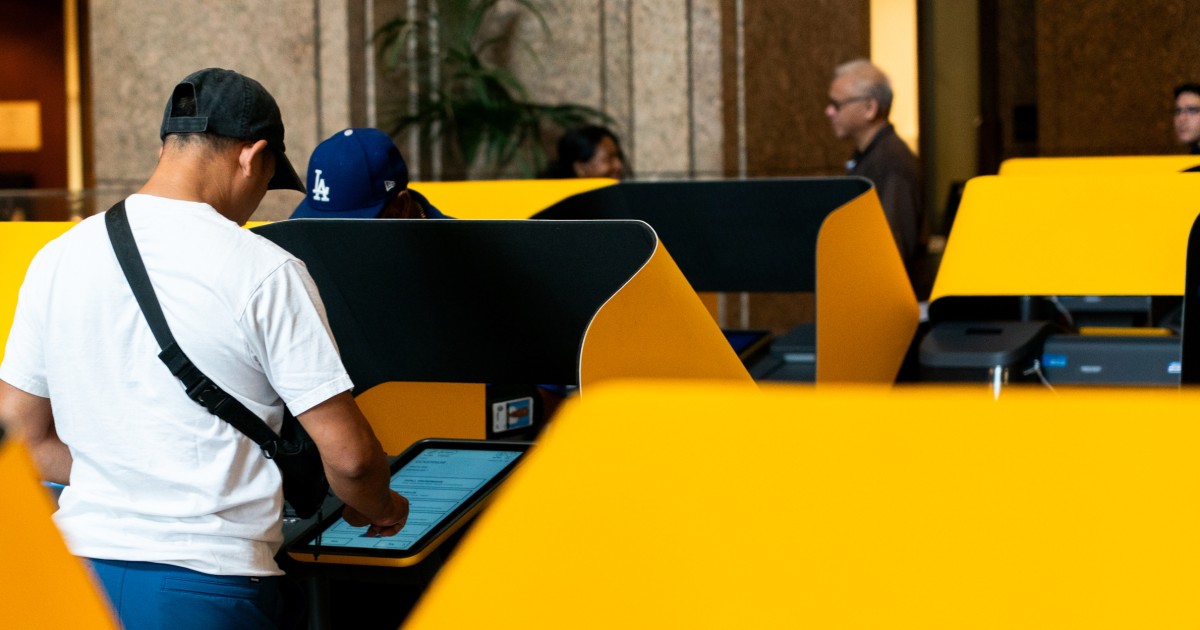
A federal prosecutor in California confirmed Friday that the Justice Department is investigating multiple claims of election fraud in the state’s June 3 primary, days after President Donald Trump accused Democrats of “cheating” and delayed vote counts. The move comes as the Los Angeles County registrar’s office reported a federal observer was on-site to monitor ballot processing, while top officials in Sacramento warned that millions of votes remain uncounted—potentially extending the uncertainty for weeks.
What the DOJ is investigating—and what it isn’t
The U.S. Attorney’s Office for the Central District of California, led by Bill Essayli, announced Friday morning that it is pursuing “multiple election fraud investigations” alongside the FBI, though no details were provided about the scope or targets. Essayli, a Trump appointee, framed the probes as a routine response to allegations—while also criticizing California’s mail-in voting system, a frequent target of Trump’s election conspiracy theories.“We will follow the evidence wherever it leads and prosecute any violations of federal election law to the fullest extent,” Essayli said in a post on X. The FBI did not immediately comment on its involvement.
What’s missing from the DOJ’s statement is any mention of Trump’s specific claims. The president has repeatedly accused California Democrats of “rigging” the primary, pointing to delays in vote counts as evidence of fraud. But election officials and legal experts note that California’s system—where ballots postmarked by Election Day are counted even if received up to seven days later—often results in prolonged tallies, especially in high-turnout races.
In 2022, Los Angeles Mayor Karen Bass wasn’t declared the winner until eight days after Election Day, and this year’s governor’s race remains too close to call as of Saturday. The top two candidates in the primary advance to November regardless of party, meaning the final results could take weeks to solidify.
- Governor’s race: Xavier Becerra (Democrat, incumbent) advanced to the general election, while Steve Hilton (Republican) and Tom Steyer (Democrat) compete for the second spot.
- Los Angeles mayor: Karen Bass (Democrat) is projected to face either Spencer Pratt (Trump-endorsed Republican) or Nithya Raman (progressive Democrat) in November.
- Votes remaining: Over 3.6 million ballots statewide still need processing, with an estimated 65% of Los Angeles County’s votes counted as of Friday.
The federal observer: A routine check or a political signal?
The Justice Department’s decision to send a federal prosecutor to observe ballot processing in Los Angeles has fueled speculation about whether the move is a neutral oversight or a politically motivated response to Trump’s claims. The Los Angeles County registrar’s office confirmed Friday that an assistant U.S. attorney arrived at the Ballot Processing Center, participated in a walkthrough, and was briefed on public observation protocols.“The individual arrived this morning, was provided an overview of the public observation program, and participated in a walkthrough of the ballot processing operations,” the registrar’s office stated. The office added that such observations are routine and include participants from “a wide range of interests,” including politicians, advocacy groups, and members of the public.
Yet the timing is undeniably political. Trump’s allies, including Republican gubernatorial candidate Steve Hilton, have amplified his accusations of fraud, framing the delays as proof of Democratic malfeasance. “There’s BIG cheating by the Dumocrats in California,” Trump wrote on Truth Social Thursday. “Votes are all tied up. May not be in for weeks.”
California’s secretary of state, Shirley Weber, pushed back against the narrative in a statement: “California’s county elections officials are hard at work counting the millions of ballots cast by California voters for the June 2 primary election, ensuring accuracy and preserving the integrity of every vote.”
Weber’s office noted that while counties must finish counting ballots by June 15, mail-in ballots postmarked by Election Day and received by June 9 are still valid—meaning the process could stretch into July.
Why the delays—and who benefits?
California’s vote-by-mail system is designed to maximize participation, but it also creates a lag in results. Unlike in-person voting, where ballots are tallied immediately, mail ballots are counted over days—or even weeks—as they arrive. This system disproportionately favors Democrats, who are more likely to vote by mail, while Republicans tend to vote in person on Election Day, with those ballots counted first.This year’s delays are partly due to an unusually high number of last-minute voters. Democrats, in particular, waited until the final days to decide between candidates in competitive races, such as the governor’s contest. As a result, the remaining ballots are likely to skew Democratic, which could further extend the uncertainty in races where the margin is razor-thin.
“Experts expect many of the untallied votes to lean Democrat,” The Guardian reported, citing the tendency of Democratic voters to submit ballots later in the cycle. The Los Angeles mayor’s race, where Trump-endorsed Spencer Pratt leads progressive Democrat Nithya Raman by a narrow margin, is a prime example of how the remaining votes could reshape the November matchup.
The bigger picture: Trump’s election rhetoric and its consequences
Trump’s claims of election fraud in California are part of a broader pattern of post-election challenges he has waged since 2020. While his allegations have been repeatedly debunked by courts and election officials, they continue to resonate with his base—and now, they are prompting federal scrutiny in a state where Democrats hold nearly every major office.The DOJ’s announcement of “multiple” investigations is vague, but it signals that federal prosecutors are taking Trump’s claims seriously enough to open probes. Whether those probes will yield any charges remains to be seen. In the past, Trump’s election fraud claims have led to lawsuits and investigations that ultimately found no evidence of widespread fraud. However, the political fallout has been significant, eroding trust in elections and emboldening further challenges.
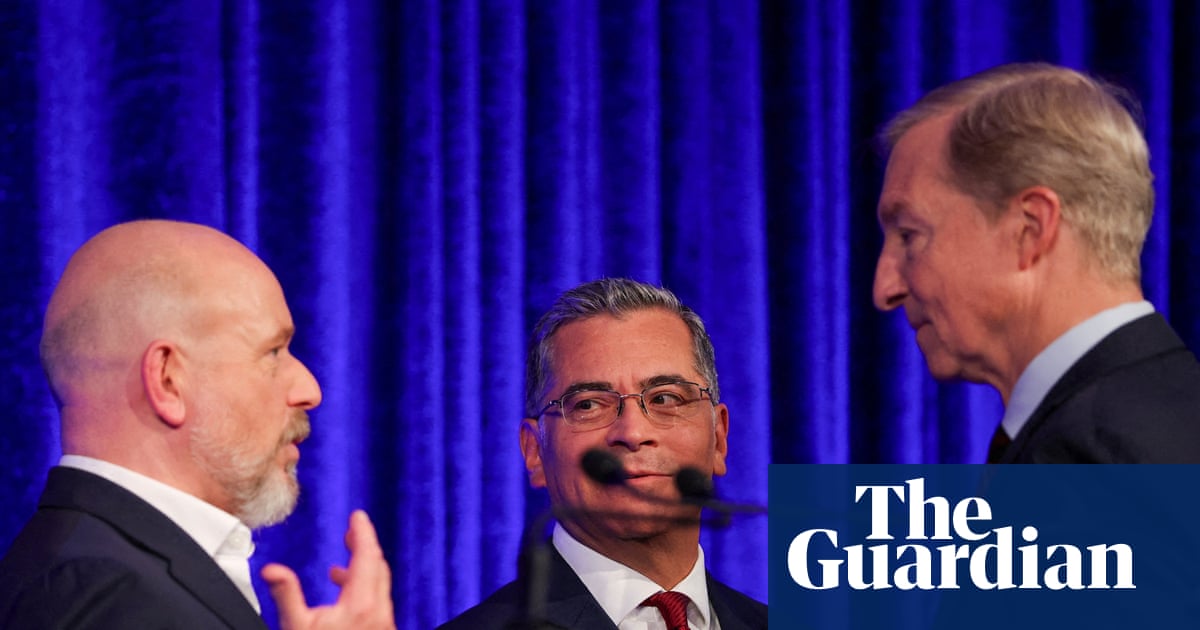
What’s different this time? The scale of the primary elections—with millions of ballots still uncounted—and the high-profile races at stake. If the DOJ’s investigations uncover even minor irregularities, Trump’s allies will likely seize on them to amplify their claims of a “rigged” system. But without concrete evidence, legal experts warn that such probes could further polarize an already divided electorate.
“The DOJ’s role here is to follow the law, not to validate or debunk political rhetoric,” said a former federal prosecutor, speaking on condition of anonymity.
What happens next—and who loses if the count drags on?
The next critical deadlines are June 9, when late-arriving mail ballots must be postmarked by to remain valid, and June 15, when counties must finish counting. But given the volume of ballots still outstanding, the final results in key races could take weeks—or even longer if legal challenges arise.For Democrats, the prolonged count is a double-edged sword. On one hand, the remaining ballots are likely to favor their candidates, which could solidify their leads in races like the governor’s contest. On the other hand, the delays give Trump and his allies more time to spread misinformation about the integrity of the process.
For Republicans, the uncertainty is a tactical problem. In races where the margin is tight, every additional vote could determine whether a candidate advances to November. But the longer the count drags on, the more ammunition Trump has to claim the system is “broken.”
What’s clear is that California’s election system—designed to maximize accessibility—is now caught in the crosshairs of a political battle over trust. The DOJ’s investigations may or may not yield results, but the damage to public confidence in the process is already done.
One thing is certain: This won’t be the last time Trump or his allies point to California’s elections as evidence of fraud. The question is whether the DOJ’s probes will provide any clarity—or just another layer of confusion.
