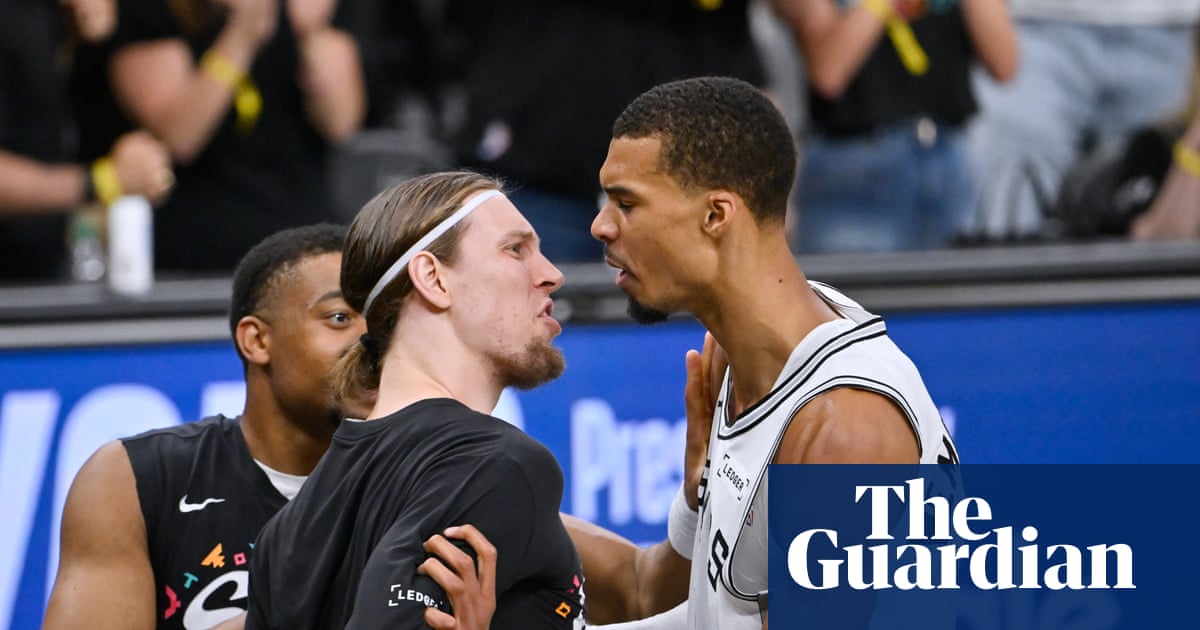
Victor Wembanyama’s half-court buzzer beater in Game 4 of the Western Conference Finals wasn’t just a clutch shot—it was a statement. With the San Antonio Spurs trailing 2-1 to the Oklahoma City Thunder, Wembanyama’s 43-foot halftime heave tied the series at 2-2 and exposed the Thunder’s defensive vulnerabilities. The shot, which had just a 10% chance of falling according to NBA shot-tracking data, came after Wembanyama had already dominated the first half with 19 points and a relentless physical presence. But the real turning point wasn’t the buzzer-beater itself—it was how it forced the Spurs’ defense to adapt, stifling the Thunder’s bench and leaving their starters unable to close the gap.
How a Single Shot Rewrote the Series Script
The Spurs entered Game 4 down 2-1, having lost their first two games by a combined 30 points. Their starting five had barely outplayed Oklahoma City’s, but the Thunder’s bench had been a different story—outscoring San Antonio’s reserves by 76-23 in Game 3. That margin of dominance suggested the Spurs were one step away from elimination. Then Wembanyama did what he does: he made the impossible look routine. His 33-point performance in Game 4 wasn’t just about the stats—it was about control. He took 15 shots in the first half alone, a stark contrast to his previous two games, where he had combined for just nine first-half attempts. By the time he drained that 43-footer, the Spurs had seized the narrative—and the momentum.
What made the shot even more remarkable was the context. The Spurs were up by nine points with just seconds left in the half, but the Thunder had led by as much as 16 earlier in the game. The memory of Game 3—where San Antonio blew a 15-0 lead—was fresh. Wembanyama’s shot wasn’t just a play; it was a reset. And it worked. The Spurs went on to win 103-82, their defense clamping down on Shai Gilgeous-Alexander and turning the Thunder’s bench into a non-factor. For the series, the Spurs have now outscored Oklahoma City by 50 points with Wembanyama on the floor—and are minus 46 without him. That’s nearly a 100-point swing over four games, all hinging on one player’s presence.
The Defense That Changed Everything
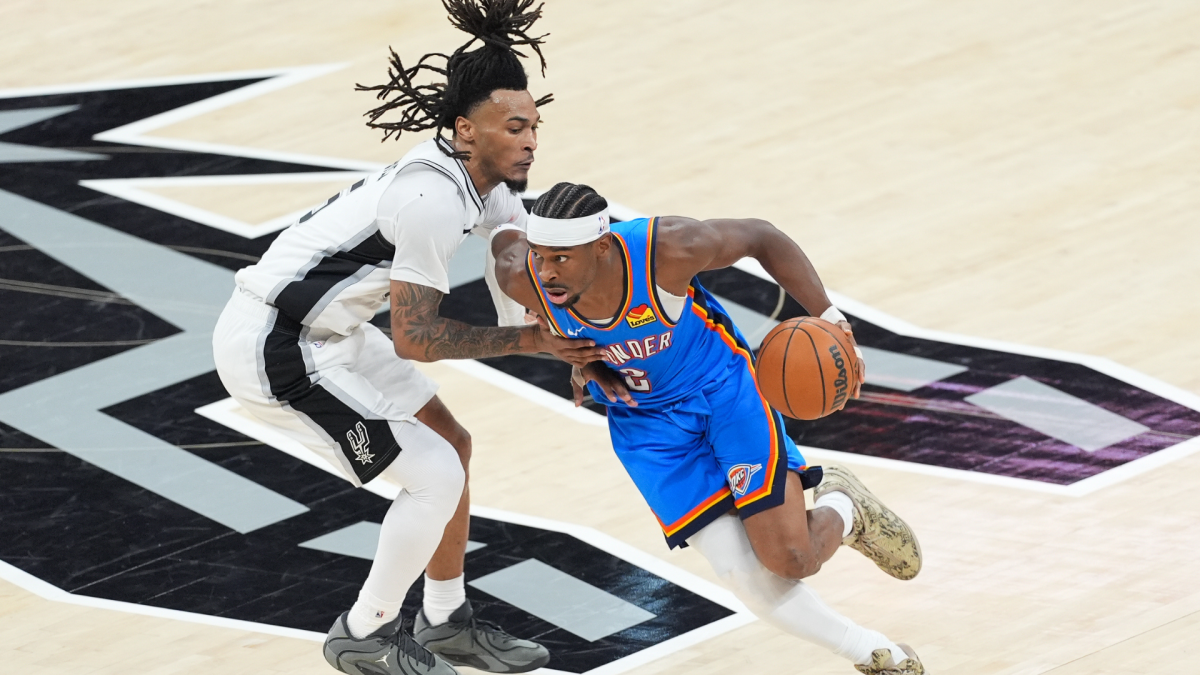
Coach Mitch Johnson’s adjustment in Game 4 was the difference between a Spurs collapse and a series reset. Instead of trapping Gilgeous-Alexander early, Johnson committed to single coverage, with helpers crowding the paint. The result? The Thunder’s bench, which had been averaging 19 points per game, scored just 12 in Game 4. Alex Caruso, the Thunder’s sharpshooting guard, went from a 61% three-point shooter in the first three games to a complete non-factor—0 points on two attempts. The Spurs weren’t just stopping SGA; they were making the entire Thunder offense uncomfortable.
But here’s the kicker: the Spurs’ defense wasn’t just reacting to Wembanyama’s offense. It was exploiting it. With Wembanyama on the floor, the Spurs’ defense becomes nearly impenetrable. The Thunder’s starters, led by Isaiah Hartenstein, have struggled to contain him in the paint, and without Wembanyama’s rim protection, the Spurs’ defense collapses. The math is brutal: when Wembanyama is on the court, the Spurs win by an average of 12 points per game. When he’s off? They lose by 12. That’s not just dominance—it’s dictatorship.
What Happens Next: The Thunder’s Dilemma
The series now shifts to Oklahoma City for Game 5, where the Thunder will need to answer one critical question: How do you stop Wembanyama without relying on your bench? The Spurs’ starting five has outplayed Oklahoma City’s in every game, but the Thunder’s depth has been their only real advantage—and that advantage just vanished. If the Spurs can maintain their defensive intensity, the Thunder may find themselves in a no-win scenario: double-team Wembanyama and leave their starters wide open, or let him dictate the game and hope the bench steps up again.
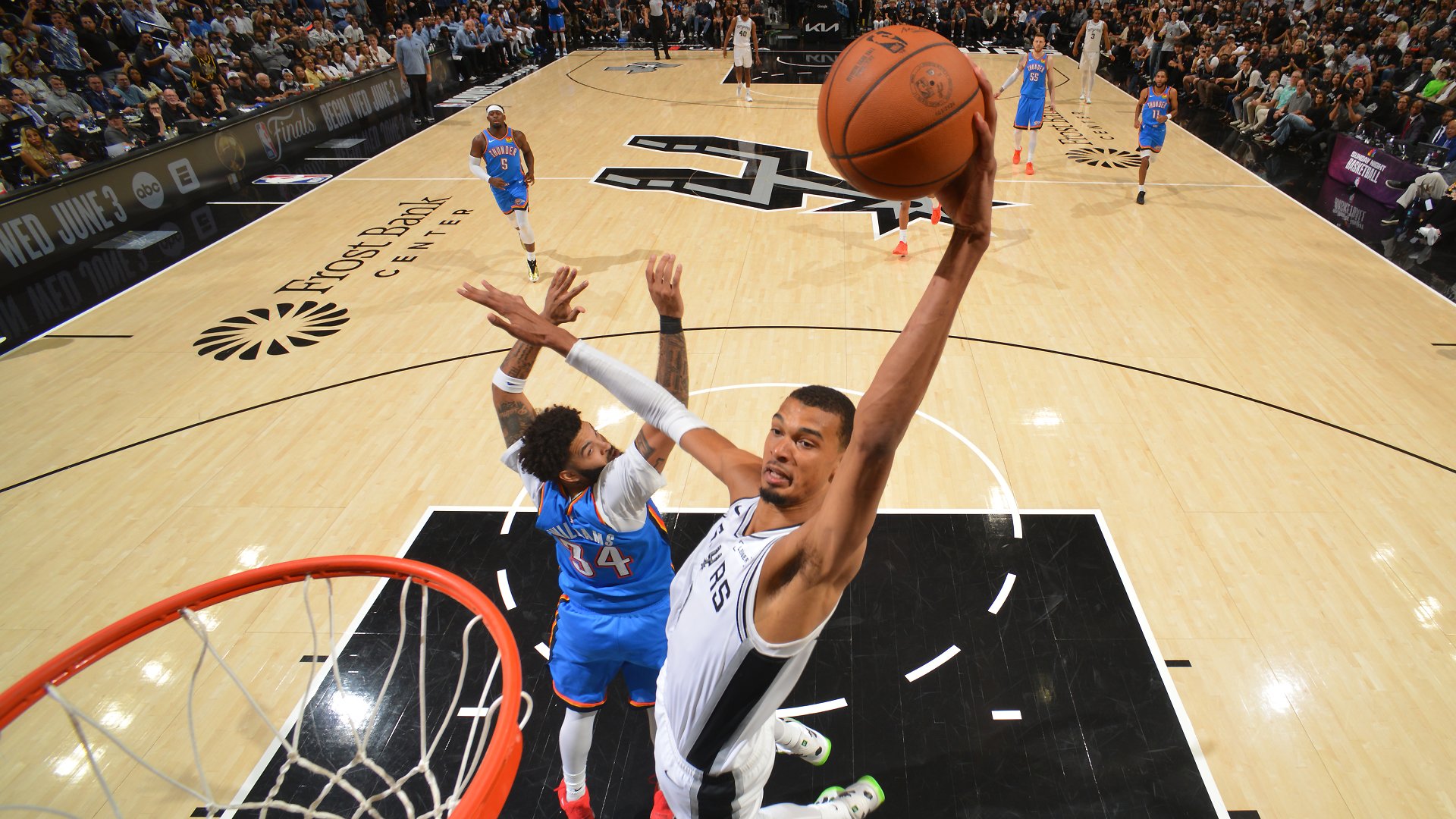
There’s also the matter of fatigue. Wembanyama has been playing near-max minutes in every game, and his 33-point, 8-rebound, 5-assist line in Game 4 suggests he’s far from tapped out. The Thunder’s best hope may lie in wearing him down—but with the series now tied, the Spurs have the upper hand. And if Wembanyama keeps delivering shots like the one that tied the series, the Thunder’s path to a third straight title just got a lot harder.
A Shot That Defined a Postseason
Wembanyama’s half-court buzzer beater wasn’t just a highlight reel moment—it was a turning point. It wasn’t the first time he’d saved a game with a deep shot (remember his 32-foot three in Game 1?), but it was the first time he did it with the series on the line. The shot had a 10% chance of falling, according to NBA shot-tracking data, but Wembanyama didn’t just make it—he made it look easy. And in doing so, he reminded everyone why the Spurs are still in this fight.
What makes this postseason even more fascinating is how Wembanyama’s game has evolved. He’s not just a scorer or a defender—he’s a game-changer. Whether it’s his ability to alter shots, his relentless physicality in the paint, or his knack for hitting clutch threes, he’s becoming the kind of player who doesn’t just win games—he decides them. And with the Western Conference Finals now tied, the Spurs have a real shot at going down to the wire.
The Thunder still have the home-court advantage, but after Game 4, the series feels like a Spurs showdown. Wembanyama’s shot wasn’t just a play—it was a declaration. And if the Spurs can keep playing with the same urgency, they might just pull off the upset of the postseason.
One thing is certain: the NBA playoffs just got a lot more interesting.
