
A federal trademark lawsuit between outdoor apparel giant Patagonia and drag queen activist Pattie Gonia—real name Wyn Wiley—has escalated into a clash over corporate values, legal bullying, and the future of activist branding. On May 27, 2026, Wiley publicly fired back at Patagonia’s January 2026 filing, calling the suit an attempt to “erase an activist” and threatening her livelihood, while the company defended its need to protect its trademark from what it calls a commercial overstep. The lawsuit, filed in the U.S. District Court for the Central District of California, seeks only $1 in damages—a symbolic move—but legal experts warn the real cost could exceed $1 million in fees, potentially crippling Wiley’s activism and small business.
The Lawsuit That Could Silence an Activist
According to court filings, Patagonia’s lawsuit accuses Wiley of violating a 2022 agreement that restricted her from monetizing the Pattie Gonia name or using designs “substantially similar” to Patagonia’s logo. The company’s January 2026 complaint alleges Wiley’s trademark application for merchandise and events marked the moment she crossed from “discrete use of a persona to engage in activism” into a full commercial brand. Wiley’s legal team, represented by the American Civil Liberties Union (ACLU) and Electronic Frontier Foundation (EFF), argues the lawsuit is a disproportionate response to a fellow activist whose work aligns with Patagonia’s environmental and social justice mission.
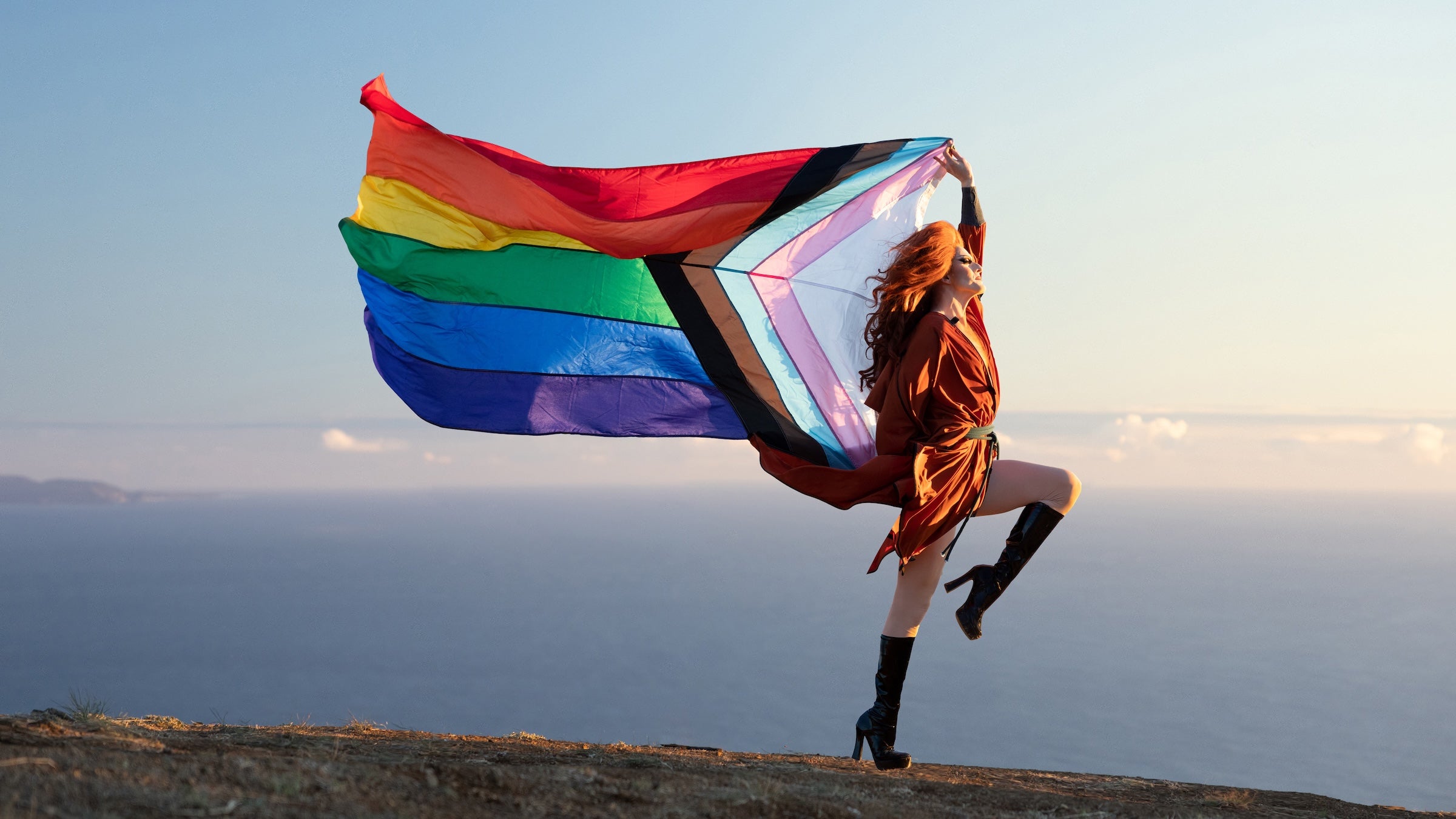
Wiley’s response, released May 27, 2026, is a direct challenge to Patagonia’s motives. In a video statement and open letter, she framed the lawsuit as a corporate power play: “This is how corporations bully individuals who cannot match their resources,” she wrote. “Because this would take away not only my activism and career, but also the livelihoods of the team I employ.” The stakes are personal: Wiley, a 2022 Outside Outsider of the Year, has built a platform advocating for LGBTQ+ inclusivity and environmental protection, with over 3 million social media followers. Her recent backpacking trip to San Francisco to raise climate awareness underscores her dual role as activist and entrepreneur.
“This is a corporation trying to erase an activist. This is how corporations bully individuals who cannot match their resources.”
— Wyn Wiley (Pattie Gonia), via Outside magazine and NBC News (May 27, 2026)
Patagonia’s Defiance: Protecting the Brand or Stifling Activism?
Patagonia’s legal team, led by Trademark Attorney Ryan McGinnis of the firm Pillsbury Winthrop Shaw Pittman, insists the lawsuit isn’t about silencing activism but protecting a trademark that carries decades of environmental work. In a statement to Outside, McGinnis said, “We had tried to find a path forward through multiple proposals, but Ms. Wiley’s refusal to compromise forced litigation.” The company’s 2022 transfer to a trust dedicated to environmental causes—making it a for-profit entity with a nonprofit mission—adds layers to the conflict. Patagonia’s public stance on social issues, including opposition to Trump-era policies, has earned it a cult-like following among consumers who see the brand as authentically progressive.
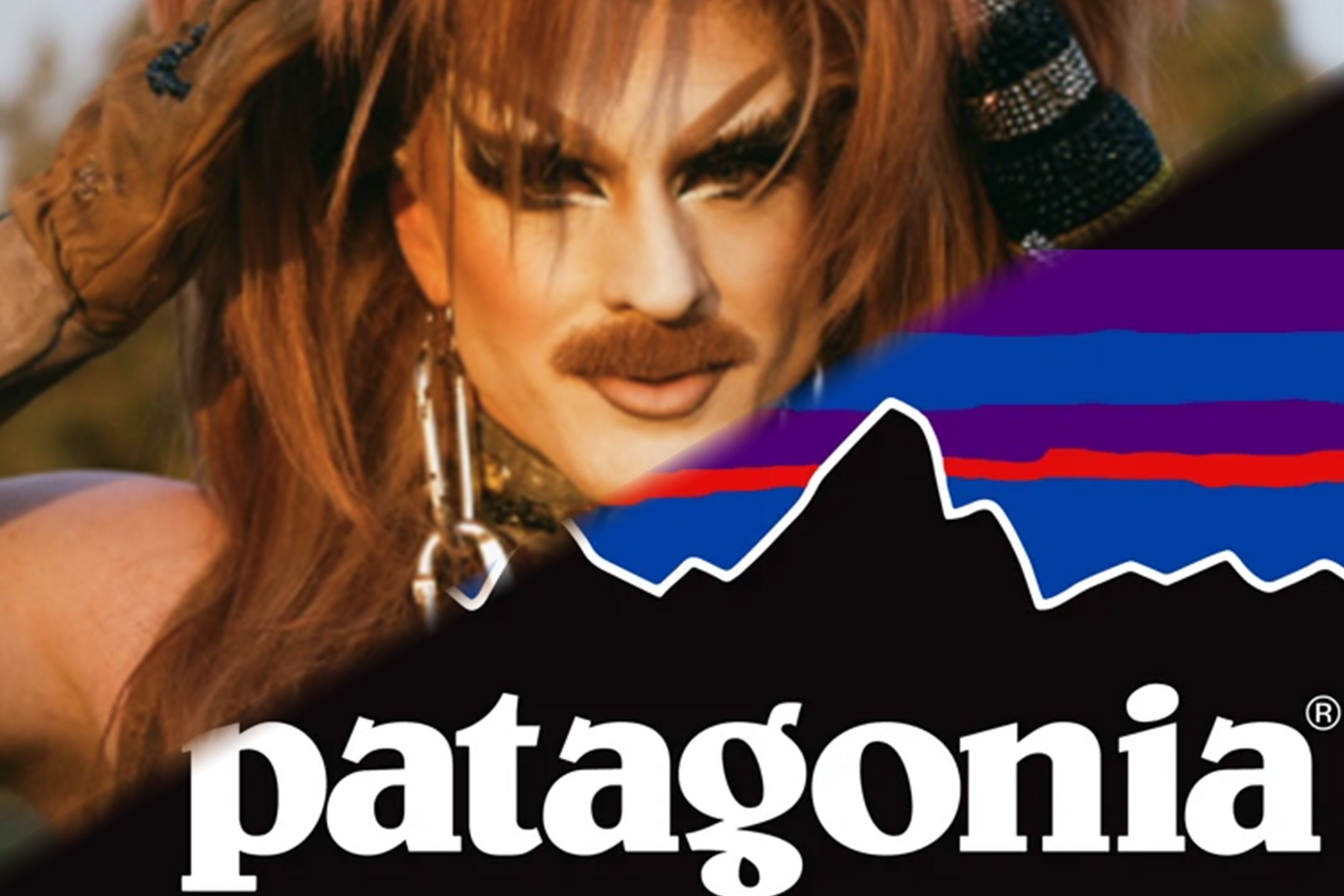
Yet the lawsuit risks exposing a tension between Patagonia’s activist identity and its corporate obligations. Legal experts agree the dispute hinges on a narrow line: parody versus commercial use. Trademark attorney Josh Gerben, managing partner at Gerben Law Firm, told NBC News that filing a trademark application for the Pattie Gonia name—even for activist purposes—crossed into infringement. “Where you cross the line is when you start to sell your own branded merchandise using the Pattie Gonia name,” Gerben said. “Patagonia’s logo is distinctive, and Wiley’s use of a similar font and color scheme in her merchandise is legally problematic.”
Patagonia’s internal communications, leaked to The Guardian on June 1, 2026, reveal internal debates over the lawsuit’s strategy. According to an anonymous source within the company’s legal department, “The board was split—some argued this was about protecting IP, others feared backlash from our customer base.” The company’s CEO, Ryan Gellert, has not publicly commented on the case, though internal emails suggest he initially opposed the legal action.
The Activist Economy: When Parody Becomes a Business
Wiley’s case reflects a broader trend: the monetization of activist personas. From Gucci vs. Guggl to Ferrari vs. Wee Power, corporations frequently sue smaller brands over perceived logo similarities, often framing it as protecting intellectual property. But when the defendant is an activist—especially one whose work aligns with the company’s values—the lawsuit takes on a different moral weight.
Patagonia’s lawsuit targets Wiley’s attempt to trademark Pattie Gonia for merchandise, including clothing and events—a move the company argues violates their 2022 agreement. That agreement, first reported by ABC7 Bay Area, was meant to allow Wiley to use the name for activism without commercializing it. However, Wiley’s growth—from a social media persona to a small business with employees—has outpaced the original deal. According to Wiley’s 2025 financial disclosures filed with the California Secretary of State, her Pattie Gonia brand generated over $500,000 in revenue in 2025, with plans to expand into merchandise and paid events.
- 2018: Wiley begins building the Pattie Gonia brand, focusing on climate activism and LGBTQ+ advocacy, with initial support from Patagonia’s community outreach programs.
- 2022: Patagonia and Wiley agree to a non-commercial use of the name; Wiley files a trademark application for “discrete” activist purposes, with Patagonia’s verbal approval.
- January 2026: Patagonia sues, alleging Wiley’s trademark application signals a shift to commercial use, despite prior assurances.
- May 27, 2026: Wiley publicly responds, calling the lawsuit an attempt to erase her activism, and announces legal representation by the ACLU and EFF.
The timeline reveals a classic David vs. Goliath dynamic, but with a twist: both parties share the same core values. Wiley’s open letter to Patagonia lays bare the dilemma: “But in the end, I had two choices: 1. The erasure of my name, my advocacy, my community, and everyone I employ or 2. Fight for myself and fight for us.” The choice is stark, and the legal battle could set a precedent for how corporations handle activist-brand conflicts.
What’s Next: Legal Fees, Activist Backlash, and Brand Reputation
The immediate next steps are clear: Wiley’s legal team will push for the lawsuit to be dismissed or settled on terms that allow her to continue using the Pattie Gonia name for activism. Patagonia, meanwhile, faces a PR nightmare. The company’s history of progressive stances—including its refusal to take corporate clients in oil and finance—means any perception of bullying an activist could trigger a backlash from its core consumer base.
Legal fees alone could force Wiley into a corner. As she told NBC News, the suit threatens more than $1 million in costs: “Patagonia told the media they’re only suing me for $1. What they’re actually trying to do is take away my name permanently and threaten me with more than $1 million dollars in legal fees.” The financial strain could force Wiley to abandon her activism—or risk bankruptcy fighting the case.
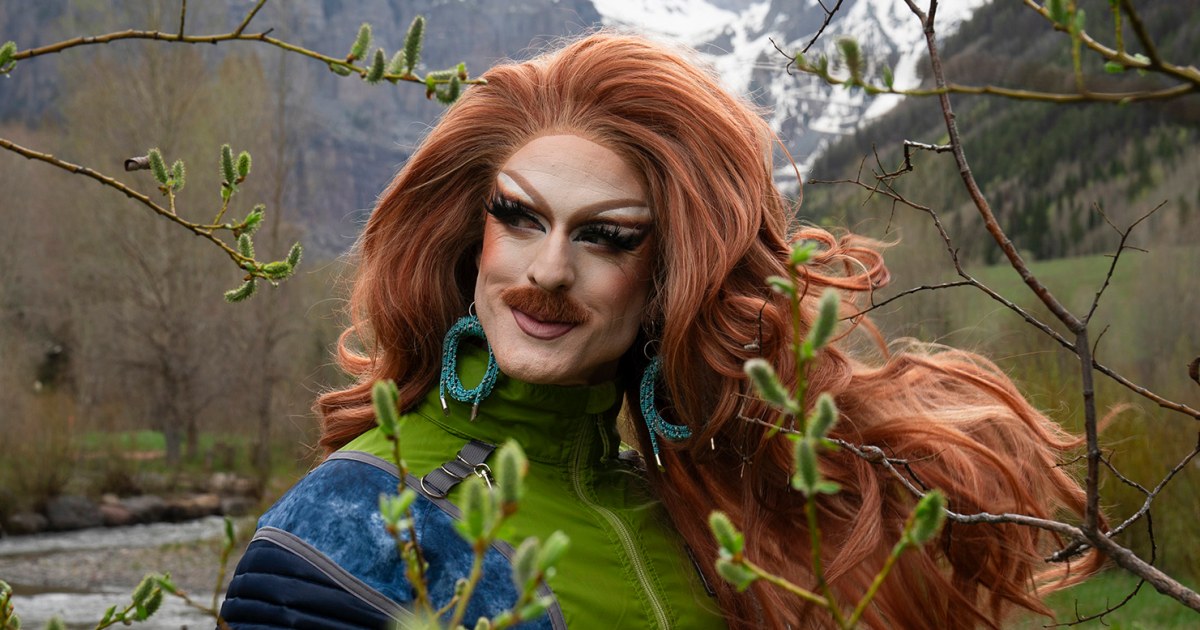
For Patagonia, the risk is reputational. The company has spent decades cultivating an image as a champion of environmental and social causes. If the lawsuit is seen as a cynical power move, it could damage that trust. Consumer advocacy group Public Citizen has already launched a petition demanding Patagonia drop the lawsuit, with over 50,000 signatures as of June 2, 2026. The Outdoor Industry Association (OIA) has also issued a statement urging both parties to seek mediation, citing the potential harm to the industry’s reputation.
“This matter is not about seeking financial gain, nor is it about challenging anyone’s identity or right to advocacy, protest, or creative expression. The last thing we wanted was a legal fight with someone who shares our values, but we must protect our business and employees.”
— Patagonia, via ABC7 Bay Area (January 2026 filing)
The Bigger Picture: What This Means for Activist Branding
Wiley’s case is more than a trademark dispute—it’s a test of how corporations and activists navigate shared spaces. Patagonia’s lawsuit raises questions about who controls activist branding: the individual or the corporation? If Patagonia wins, it could set a precedent where companies can sue activists for using similar names, even if those activists share the same values. If Wiley prevails, it could embolden other activists to monetize their personas without fear of corporate retaliation.
The conflict also highlights the growing intersection of activism and commerce. Wiley’s Pattie Gonia brand is a microcosm of a trend where social justice figures—from drag queens to climate advocates—must balance personal missions with financial sustainability. The lawsuit forces a reckoning: Can activism survive in a capitalist system, or will corporations always have the upper hand?
Industry analysts, including Forbes contributor Scott Galloway, have weighed in on the case’s implications. “This is a defining moment for activist branding,” Galloway wrote in a June 2, 2026, op-ed. “Patagonia’s lawsuit could either reinforce the idea that corporations control the narrative—or prove that grassroots voices can push back.”
For now, the legal battle rages on. But the real question is whether Patagonia’s trademark lawyers or its activist consumers will have the final say. The case has already drawn comparisons to Versace vs. Campari (2020) and Disney vs. Deadpool (2016), where courts had to balance free speech with intellectual property rights. The outcome could shape how future disputes between corporations and activists are resolved.
