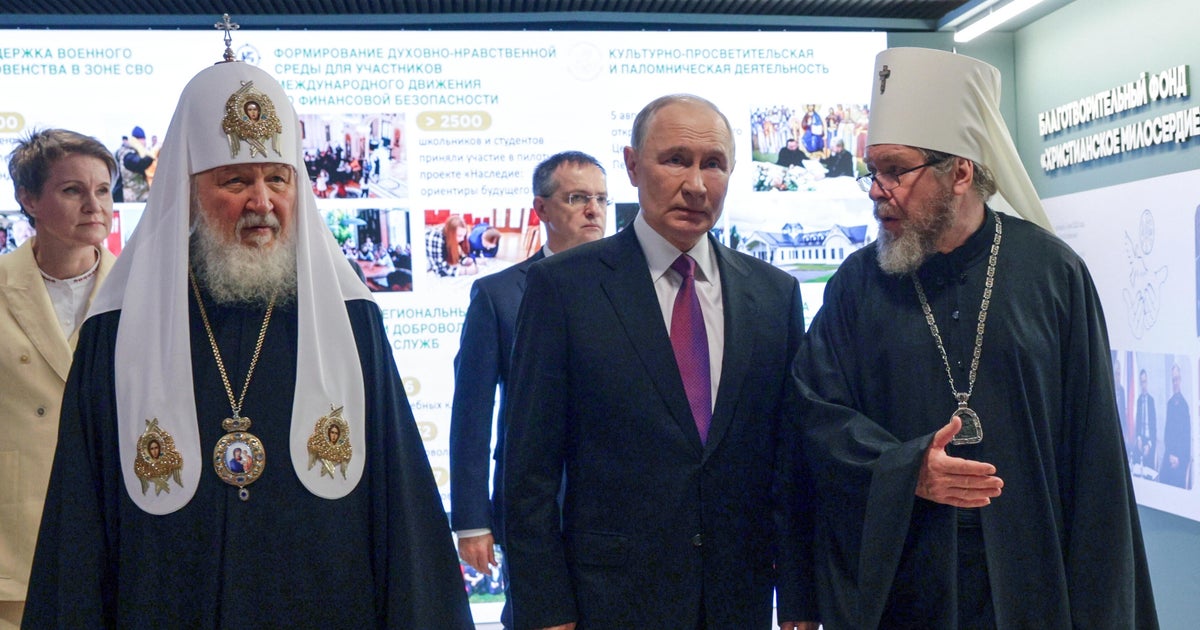
The European Union sanctioned more than 80 individuals and entities on Monday, June 15, 2026, including a senior Orthodox bishop and top Russian officials. The 21st package of measures targets those accused of supporting the invasion of Ukraine, facilitating sanctions evasion, and involvement in the death of Alexei Navalny.
Sanctioning the “Personal Priest” and Kremlin Officials
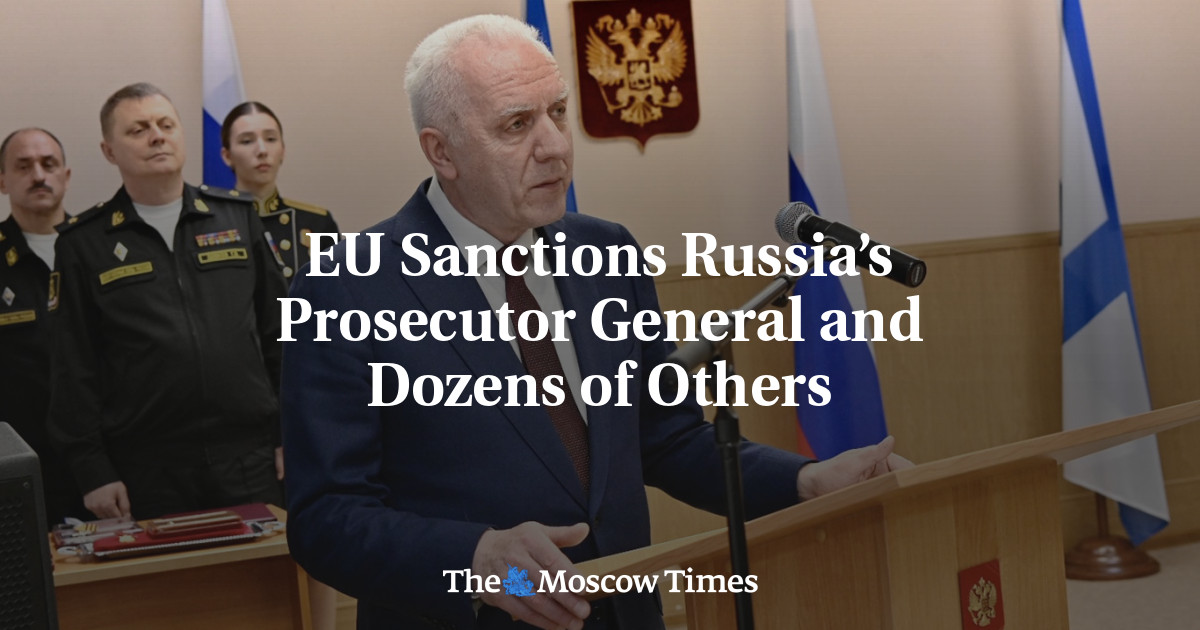
Among the most high-profile targets in the latest round of EU sanctions is Georgiy Shevkunov, also known as Metropolitan Tikhon. While Shevkunov has neither confirmed nor denied his status as Vladimir Putin’s “personal priest,” the bloc officially designated him for his role in spreading propaganda aimed at justifying the war in Ukraine. As The Moscow Times reports, the sanctions also hit Russia’s Prosecutor General, Alexander Gutsan, and Supreme Court Justice Oleg Nefedov, alongside FSB officers linked to the 2024 death of opposition figure Alexei Navalny.
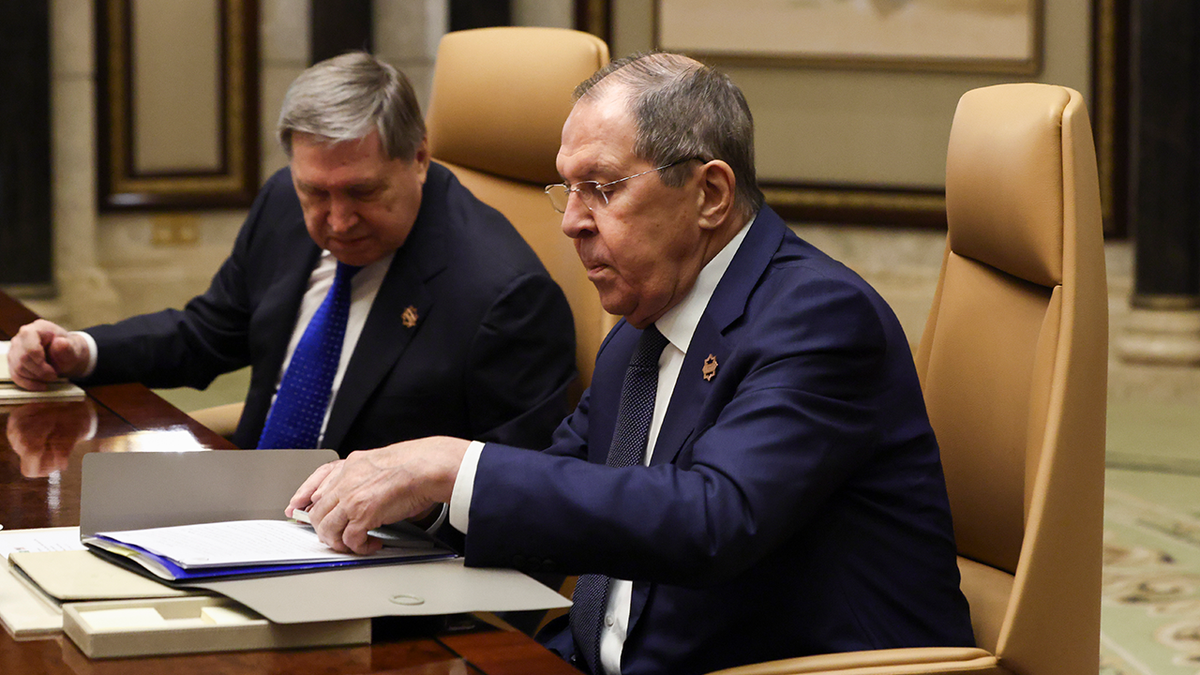
The EU’s foreign policy chief, Kaja Kallas, framed the move as a direct strike against the architecture of the Russian war machine. She stated that the bloc is working to dismantle Moscow’s military-industrial complex “brick by brick.”
“These measures strike at the heart of Russia’s military-industrial complex, its shadow fleet, and the networks that fuel Moscow’s hybrid attacks against Europe.”
The designation of judicial and prosecutorial officials marks a hardening of the EU’s stance toward the Russian legal apparatus. By targeting figures like Prosecutor General Gutsan, the EU is signaling that it views the Russian domestic legal system as an extension of the state’s military and repressive efforts. Historically, such designations in EU policy are intended to create a “chilling effect” within the target nation’s bureaucracy, complicating the ability of these officials to maintain personal financial interests or travel outside of the Russian Federation and its allied states.
Targeting the Shadow Fleet and Economic Lifelines
Beyond individual designations, the European Commission is moving to restrict Russia’s ability to generate revenue through its “shadow fleet” of tankers. The Guardian reports that Brussels aims to blacklist 30 additional vessels, adding to the 632 already under restrictions. These ships have been instrumental in allowing Moscow to bypass Western pricing caps.
The commission has proposed maintaining a $44 price cap on Russian oil until January 2027 to prevent the Kremlin from capitalizing on crude price surges. Additionally, the bloc is broadening its reach into third-party countries, targeting 20 banks, crypto firms, and oil traders in Azerbaijan, Turkey, the United Arab Emirates, Hong Kong, and Liberia that are accused of helping Moscow circumvent existing financial barriers.
The “shadow fleet” refers to a collection of aging, often uninsured tankers that operate outside of the international maritime insurance standards enforced by Western nations. By utilizing these vessels, Russia has historically managed to move crude oil to global markets in Asia and the Middle East, effectively insulating its state budget from the full impact of the G7-led price cap mechanism. The EU’s move to blacklist these specific vessels is a tactical shift; by denying them access to European ports and insurance services, the Commission aims to increase the operational costs for the Russian state, forcing Moscow to rely on more expensive, less efficient logistics chains.
Proposed Visa Bans for Russian Veterans
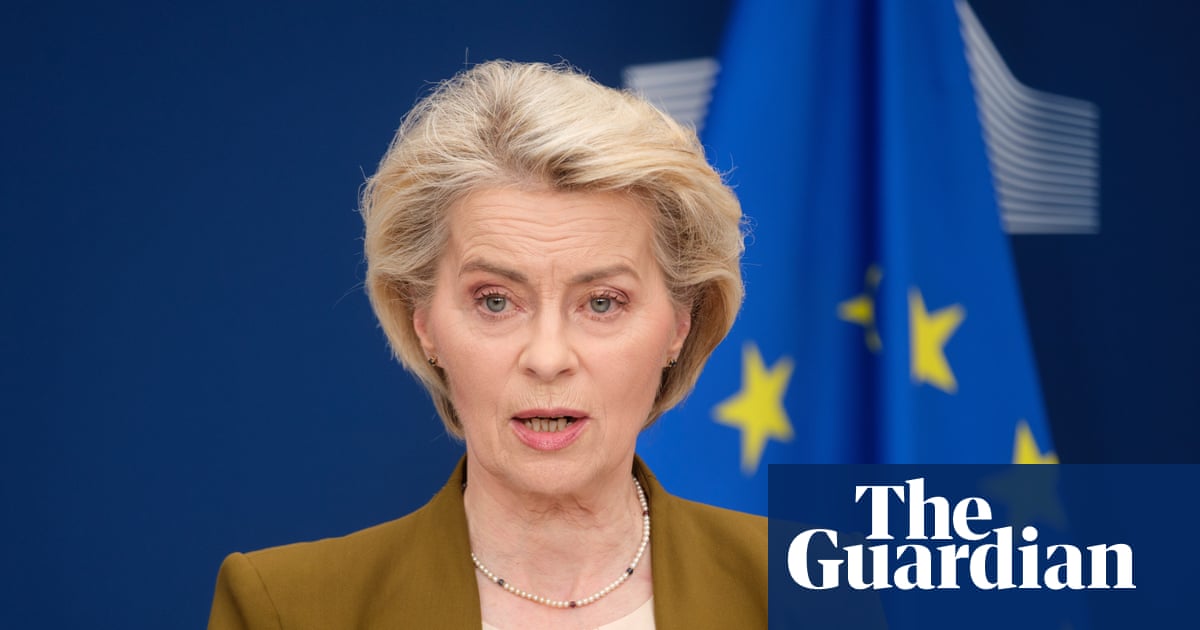
In a significant expansion of travel restrictions, European Commission President Ursula von der Leyen introduced a proposal to bar any individual who has served in the Russian armed forces since the February 2022 invasion from entering the European Union.
“We propose for the first time to ban from entry into the European Union anyone who has served in the Russian armed forces since the beginning of the war. So Europe stays off limit for anyone who has participated in the invasion of Ukraine, as simple as that.”
The measure reflects concerns raised earlier this year by Estonian officials, including Foreign Minister Margus Tsahkna, who warned that the influx of former combatants into Europe could pose a persistent security risk. The proposal remains subject to unanimous agreement among the 27 member states, meaning further amendments are possible before it takes effect. This proposal represents a departure from earlier individual-focused sanctions, moving toward a broad-based, category-specific restriction that would require the creation of a centralized database of Russian military service records to be effectively enforced at the external Schengen border.
Broader Trade Restrictions and Future Implications
The latest sanctions package also signals a shift toward restricting specific commodity imports. For the first time, the EU is eyeing a ban on Russian fish imports, specifically cod, alongside restrictions on metals, ores, and car parts worth approximately €60 million (£52 million). Export controls are also being tightened on alloys and aerospace components that could be repurposed for drone production.
While the economic pressure intensifies, the human cost of the conflict remains the primary driver of these policies. Kallas claims that Western sanctions have already cost Russia up to $1.5 trillion, asserting that the cumulative weight of these measures is shrinking Russia’s maneuverability. As the bloc prepares to open formal accession negotiations with Ukraine and Moldova next week, the pressure on Moscow is expected to remain a central feature of European diplomacy.
The introduction of a ban on fish imports is particularly notable for its impact on regional economies in Northern Europe, where Russian cod has traditionally been processed. The move highlights the internal tension within the EU: while the bloc seeks to minimize revenue streams for the Kremlin, member states must balance these goals against the potential for domestic inflationary pressure on food prices. As the EU moves toward the accession of new member states, the harmonization of sanctions policy across all 27 capitals remains a complex diplomatic process. Every new package must be negotiated and approved by the European Council, where individual nations sometimes seek carve-outs for their own specific industrial interests, a process that historically leads to the iterative, “package-by-package” approach seen in the current 21st round of measures.
Find more reporting in our World section.
