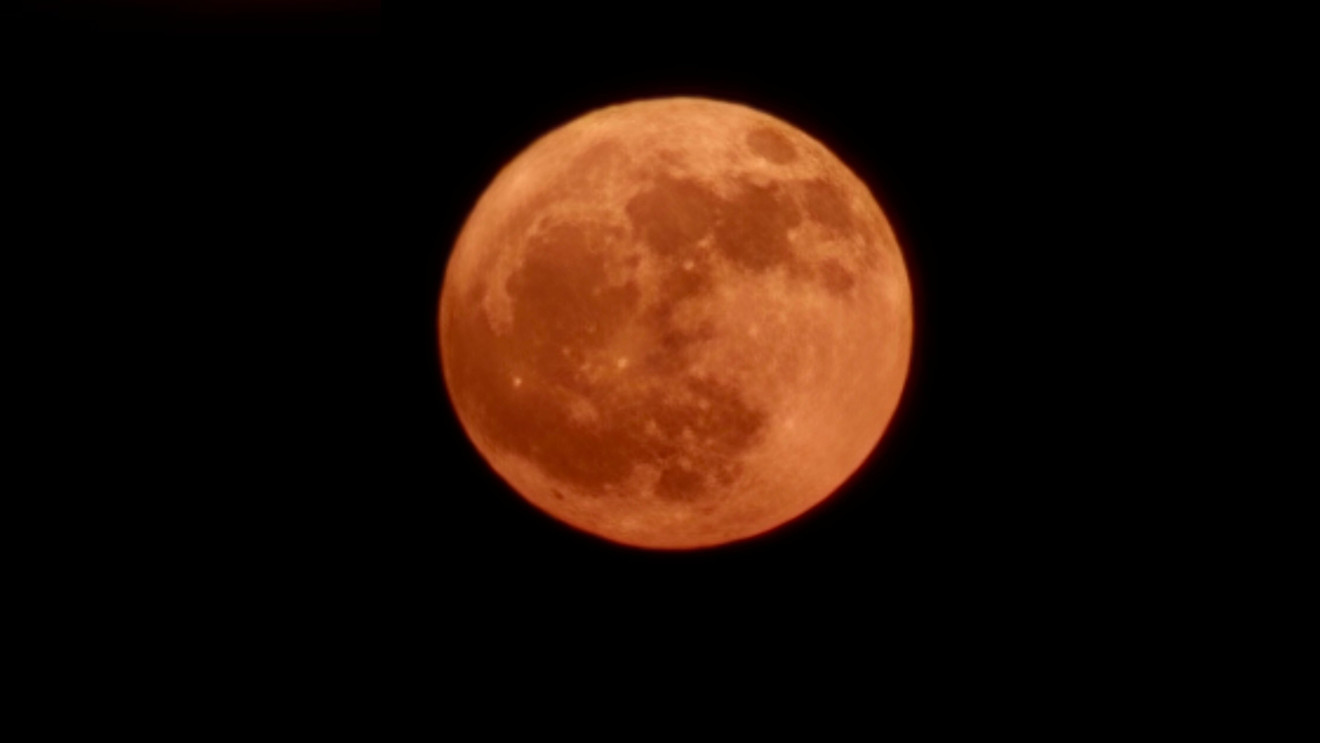
“Strawberry Moon” peaks on June 29, 2026, reaching full illumination at 7:56 p.m. ET according to CNET, with NASA confirming it as the third micro moon of the year. The event coincides with the summer solstice, making it the lowest full moon of 2026.
When and Where to View the Strawberry Moon

The Strawberry Moon reaches peak illumination at 7:56 p.m. ET on June 29, as reported by CNET, though USA Today notes the moon will appear full from June 27 to July 1. Viewers in North America should look to the southeastern sky shortly after sunset, with the moon rising just after dusk and setting before sunrise. Yahoo highlights that the moon will be visible nationwide, though weather conditions may affect visibility, with the Pacific Northwest and Northeast expected to have clearer skies.
Why This Year’s Moon Is Unique
The Strawberry Moon’s low trajectory is tied to the summer solstice, which tilts the Northern Hemisphere away from the moon, according to CNET. This makes it the lowest full moon of the year, though not as low as the 2025 iteration. The moon will also be a “micromoon,” appearing 12 to 14% smaller and dimmer than a supermoon due to its position at apogee, the farthest point in its elliptical orbit. NASA/JPL-Caltech confirms this phenomenon, noting the moon’s size difference.
Historical Context and Cultural Significance
The name “Strawberry Moon” originates from Native American Algonquian tribes, who associated it with the ripening of strawberries and other berries in June, as detailed by USA Today. Other cultural names include “Berries Ripen Moon” and “Green Corn Moon,” reflecting seasonal agricultural cycles. Despite its name, the moon does not appear red; its hue is influenced by atmospheric conditions, with a golden or orange tint during moonrise, as observed in Yahoo’s coverage of a 2025 event.
Optimal Viewing Tips
To maximize visibility, viewers should avoid light pollution and seek open areas with an unobstructed southeastern horizon, according to Yahoo. The moon’s low position may make it challenging to spot in areas with dense tree cover. USA Today advises checking local forecasts for cloud coverage and preparing with blankets or seating for extended stargazing.
What Comes Next? The 2026 Full Moon Calendar
Following the Strawberry Moon, the Buck Moon will peak on July 29, 2026, as listed by USA Today. Other notable full moons include the Sturgeon Moon (August 28) and the Harvest Moon (September 26). The year’s final full moon, the Cold Moon, is scheduled for December 23.
Scientific and Observational Implications

The 2026 Strawberry Moon offers a rare chance to observe a micromoon’s subtle differences from a supermoon, a phenomenon NASA has studied extensively. While the size variation is hard to detect with the naked eye, the moon’s low path across the sky provides a unique visual experience. Researchers at NOAA note that weather patterns, such as those affecting the South and Midwest, could influence public access to the event.
Why This Matters: A Celestial and Cultural Event
The Strawberry Moon bridges astronomical phenomena with cultural heritage, reflecting how ancient practices like seasonal naming persist in modern astronomy. Its visibility and timing also highlight the interplay between celestial mechanics and human observation. As the first full moon of summer, it marks a transition in the annual cycle, a theme echoed in the Algonquian and colonial naming traditions.
“Strawberry Moon” peaks on June 29, 2026, reaching full illumination at 7:56 p.m. ET according to CNET, with NASA confirming it as the third micro moon of the year. The event coincides with the summer solstice, making it the lowest full moon of 2026.
“Strawberry Moon” peaks on June 29, 2026, reaching full illumination at 7:56 p.m. ET according to CNET, with NASA confirming it as the third micro moon of the year. The event coincides with the summer solstice, making it the lowest full moon of 2026.
“Strawberry Moon” peaks on June 29, 2026, reaching full illumination at 7:56 p.m. ET according to CNET, with NASA confirming it as the third micro moon of the year. The event coincides with the summer solstice, making it the lowest full moon of 2026.
“Strawberry Moon” peaks on June 29, 2026, reaching full illumination at 7:56 p.m. ET according to CNET, with NASA confirming it as the third micro moon of the year. The event coincides with the summer solstice, making it the lowest full moon of 2026.
“Strawberry Moon” peaks on June 29, 2026, reaching full illumination at 7:56 p.m. ET according to CNET, with NASA confirming it as the third micro moon of the year. The event coincides with the summer solstice, making it the lowest full moon of 2026.
“Strawberry Moon” peaks on June 29, 2026, reaching full illumination at 7:56 p.m. ET according to CNET, with NASA confirming it as the third micro moon of the year. The event coincides with the summer solstice, making it the lowest full moon of 2026.
“Strawberry Moon” peaks on June 29, 2026, reaching full illumination at 7:56 p.m. ET according to CNET, with NASA confirming it as the third micro moon of the year. The event coincides with the summer solstice, making it the lowest full moon of 2026.
Find more reporting in our Technology section.
