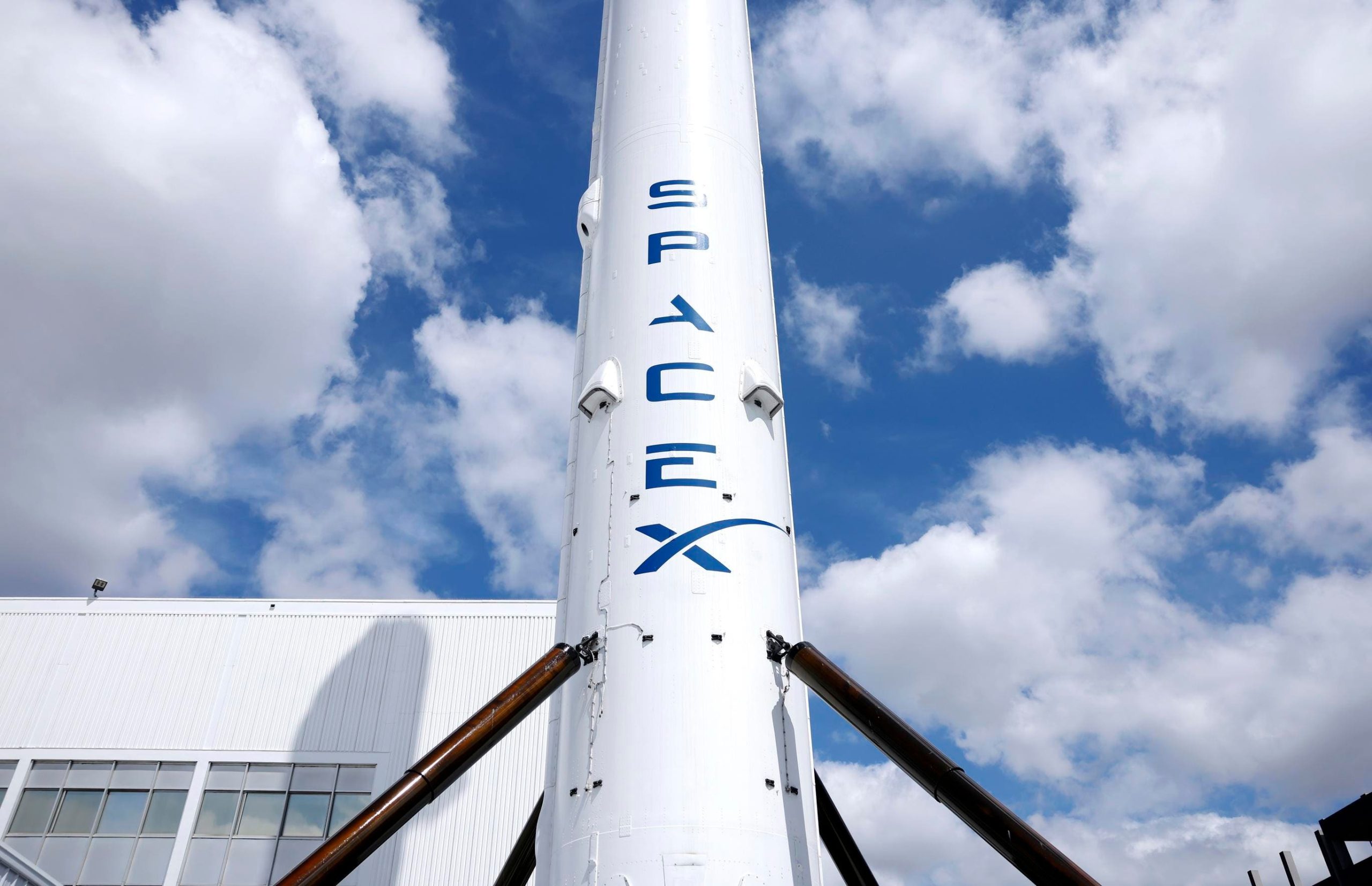
SpaceX has set its initial public offering (IPO) price at $135 per share, with retail investor orders surpassing $100 billion, according to multiple reports. The aerospace company’s stock is poised to debut on the Nasdaq on Friday, June 12, marking one of the largest IPOs in history. The final price, announced on June 11, reflects robust demand from both institutional and individual investors, though concerns about governance and valuation have drawn scrutiny from regulators and analysts.
Retail Investor Demand Surpasses Expectations
Retail investors have placed orders for more than $100 billion in SpaceX shares ahead of its public debut, a figure that could set a new record for investor demand in an IPO. BlackRock, one of the world’s largest asset managers, has committed to purchasing at least $5 billion in shares, while individual investors have requested over $70 billion in shares, according to reports. This level of demand underscores the excitement surrounding Elon Musk’s company, which is valued at a potential $1.77 trillion if it meets its IPO targets. Forbes noted that the $70 billion in individual investor requests alone is nearly as large as the $5.5 billion raised by Cerebras, the largest IPO of 2026 so far.

SEC Scrutiny and Governance Concerns
Sen. Elizabeth Warren, D-Mass., has called for a delay in SpaceX’s IPO, citing concerns about the company’s governance structure and investor protections. In a 12-page letter to SEC Commissioner Paul Atkins, Warren argued that Musk’s control of 85% of voting power “gives him an unprecedented level of power” over shareholders, who would have “significantly fewer rights than those traditionally offered to purchasers of public shares.” Forbes reported that Warren urged the SEC to investigate whether index funds and other financial entities are adequately protecting investors and whether SpaceX provided sufficient transparency about its valuation.
Ann Lipton, a law professor at the University of Colorado, Boulder, echoed these concerns, stating that SpaceX’s structure “essentially closes off every possible avenue for shareholders to have any influence at all.” The company’s governance model, which allows Musk to maintain de facto control, has drawn criticism from legal experts and some investors.
Valuation Disputes and Analyst Skepticism
Morningstar, a leading investment research firm, has expressed skepticism about SpaceX’s valuation, estimating the company at $63 per share—53% below the IPO price. In a report, Morningstar outlined three scenarios for SpaceX’s future, assigning a 7% probability to its most optimistic projection, which values the company at $154 per share. The firm’s analysis assumes that SpaceX will achieve breakthroughs in reusable rocket technology and commercialize space-based data centers, both of which remain unproven. Morningstar argued that the IPO price reflects “unrealistic optimism” and warned that the stock could be overvalued by a significant margin.

Despite these concerns, SpaceX’s IPO has attracted $250 billion in demand, according to Reuters, which cited unnamed sources familiar with the matter. This oversubscription rate is nearly four times the company’s planned offering, though analysts note that institutional investors often inflate demand figures to secure larger allocations. Yahoo Finance reported that the final retail allocation could be as high as 30%, far exceeding the typical 5%–10% for most IPOs.
Timeline and Market Implications
SpaceX’s IPO process has followed an unusual path. Unlike traditional IPOs, where the final price is determined after gauging demand, SpaceX fixed its price at $135 before its investor roadshow began. This approach, described as “unconventional” by some analysts, was confirmed in an updated IPO prospectus. The company plans to sell 555.6 million shares at $135, raising $75 billion, with underwriters holding an option to sell an additional 83 million shares. <a href
Find more reporting in our News section.
