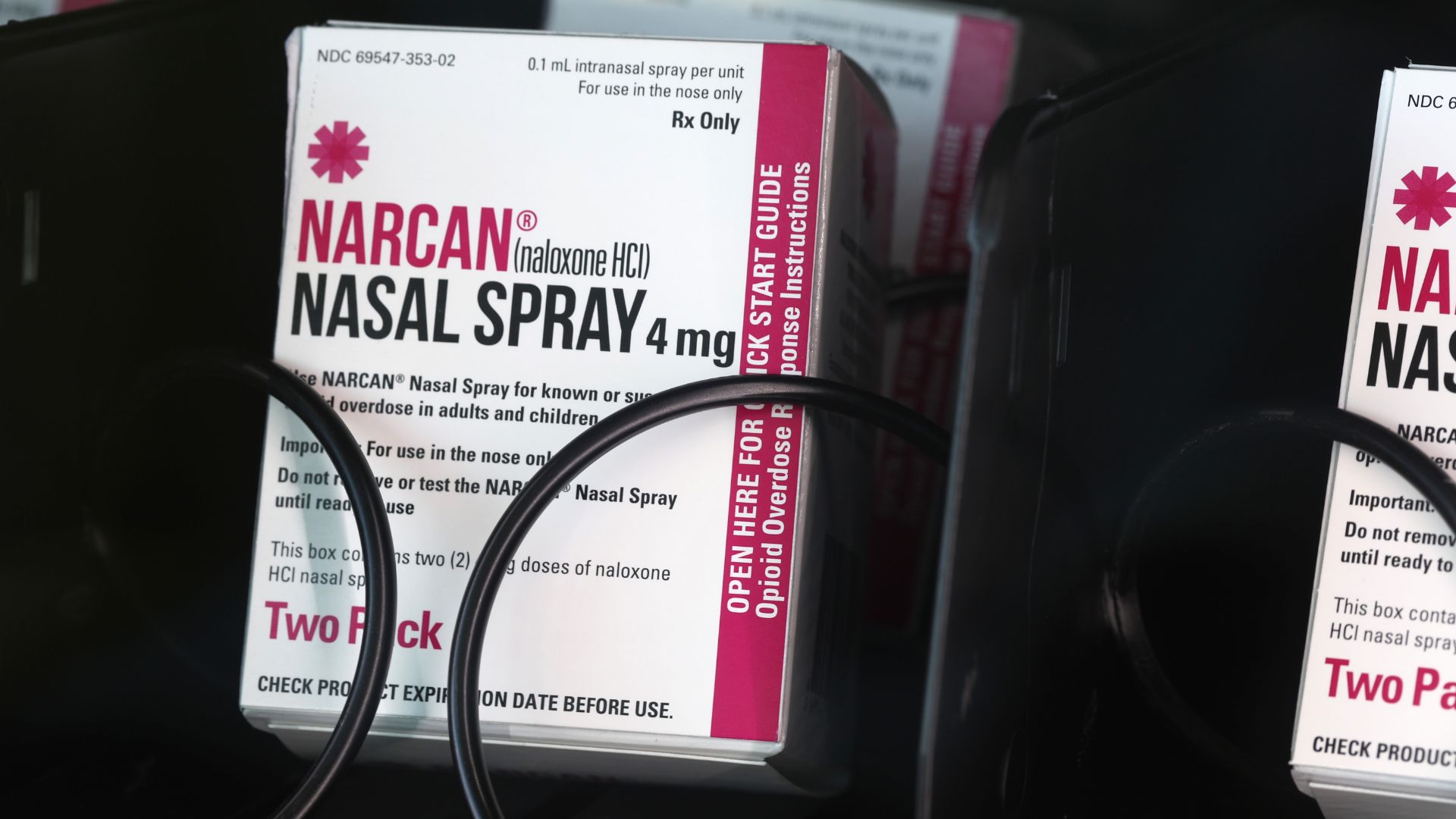
The U.S. Food and Drug Administration (FDA) has approved Rextovy (naloxone HCl) nasal spray 4 mg as an over-the-counter medication for the emergency treatment of opioid overdoses. This regulatory action is part of a broader federal effort to address substance use disorders and improve access to life-saving treatment, according to the FDA.
FDA Approval of Rextovy Nasal Spray
The FDA’s approval of Rextovy marks a shift in the availability of emergency overdose treatments. By classifying the 4 mg nasal spray as an over-the-counter drug, the agency aims to broaden public access to naloxone. This decision aligns with the Great American Recovery Initiative, a federal program established to coordinate the government’s approach to prevention, treatment, and long-term recovery from addiction, according to official FDA statements.

Naloxone is an opioid antagonist, a class of drugs that works by binding to opioid receptors in the brain to reverse or block the effects of opioids. When administered during an overdose, it can rapidly restore normal respiration in an individual whose breathing has slowed or stopped as a result of opioid ingestion. The transition of specific naloxone formulations from prescription-only status to over-the-counter (OTC) status is a regulatory mechanism intended to place life-saving tools directly into the hands of the public, including family members, friends, and community members who are most likely to be present during an emergency.

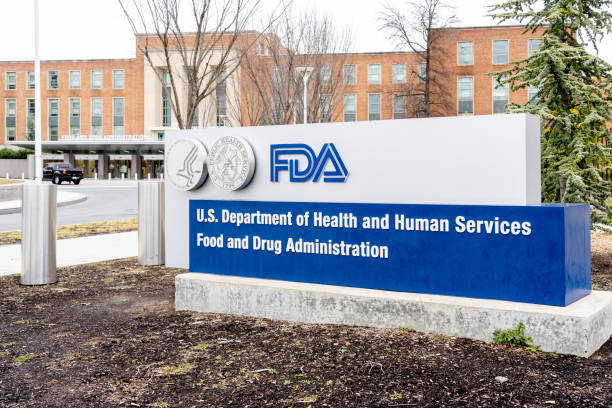
The FDA, a federal agency within the U.S. Department of Health and Human Services, is tasked with ensuring the safety and efficacy of human drugs. The agency operates under the authority of the Federal Food, Drug, and Cosmetic Act, which governs the regulation of both prescription and over-the-counter medications. Under this act, the FDA evaluates whether a drug is safe and effective for use without the supervision of a healthcare professional. For a product to be approved for OTC use, the manufacturer must demonstrate that the consumer can understand the drug’s labeling, recognize the symptoms it is intended to treat, and follow the instructions for use correctly without professional guidance.
Federal Oversight and Public Health Responsibilities
Beyond the approval of specific pharmaceutical products, the FDA maintains a broad mandate for public health. The agency is responsible for the supervision of food safety, tobacco products, medical devices, and veterinary drugs. According to the U.S. government, the FDA provides science-based health information to the public and maintains its headquarters in Silver Spring, Maryland.
The agency’s structure includes fourteen centers and offices, supported by a workforce of approximately 18,000 employees as of 2022. While its primary mission involves the oversight of regulated products, the FDA also enforces laws such as Section 361 of the Public Health Service Act to help mitigate disease transmission in various contexts. This regulatory framework is designed to manage risks associated with medical products throughout their lifecycle, from initial clinical development and pre-market review to post-market surveillance, where the agency monitors for adverse events or safety signals that may emerge after a product is widely available.
The regulatory process for transitioning a drug to OTC status involves rigorous review of the product’s labeling and packaging. The goal is to ensure that the user can identify the signs of an opioid overdose—such as pinpoint pupils, loss of consciousness, and shallow or absent breathing—and administer the medication in a manner that is both timely and correct. By removing the requirement for a prescription, the FDA removes potential barriers such as the need for a clinical appointment or pharmacy dispensing time, which are critical factors during an active overdose event.
Understanding Regulatory Guidance
For individuals seeking specific information regarding FDA-regulated products or health guidance, the agency maintains a toll-free contact line at 1-888-INFO-FDA (1-888-463-6332).
Regarding the use of emergency medications like Rextovy, clinical guidance remains essential. The FDA emphasizes its role in providing accurate, science-based information to assist the public in managing health risks. Patients and caregivers should consult their healthcare provider for instructions on the proper administration of naloxone and to understand the limitations of emergency treatment in the context of opioid-related health crises. It is important to recognize that while naloxone is highly effective at reversing the respiratory depression caused by opioids, it is a temporary measure. The drug typically has a duration of action that may be shorter than the duration of the opioid that caused the overdose, meaning that professional medical attention remains necessary to prevent a recurrence of overdose symptoms once the naloxone wears off.
Readers should note that the approval of an OTC medication does not replace the need for comprehensive medical care. If an overdose is suspected, emergency services should be contacted immediately, even after naloxone has been administered. The FDA continues to work with public health partners to provide resources on how to recognize the signs of overdose and how to store and use emergency medications safely. For personalized medical advice, including information on how naloxone may interact with other health conditions or medications, individuals should speak directly with a qualified pharmacist or physician.
Find more reporting in our Health section.
