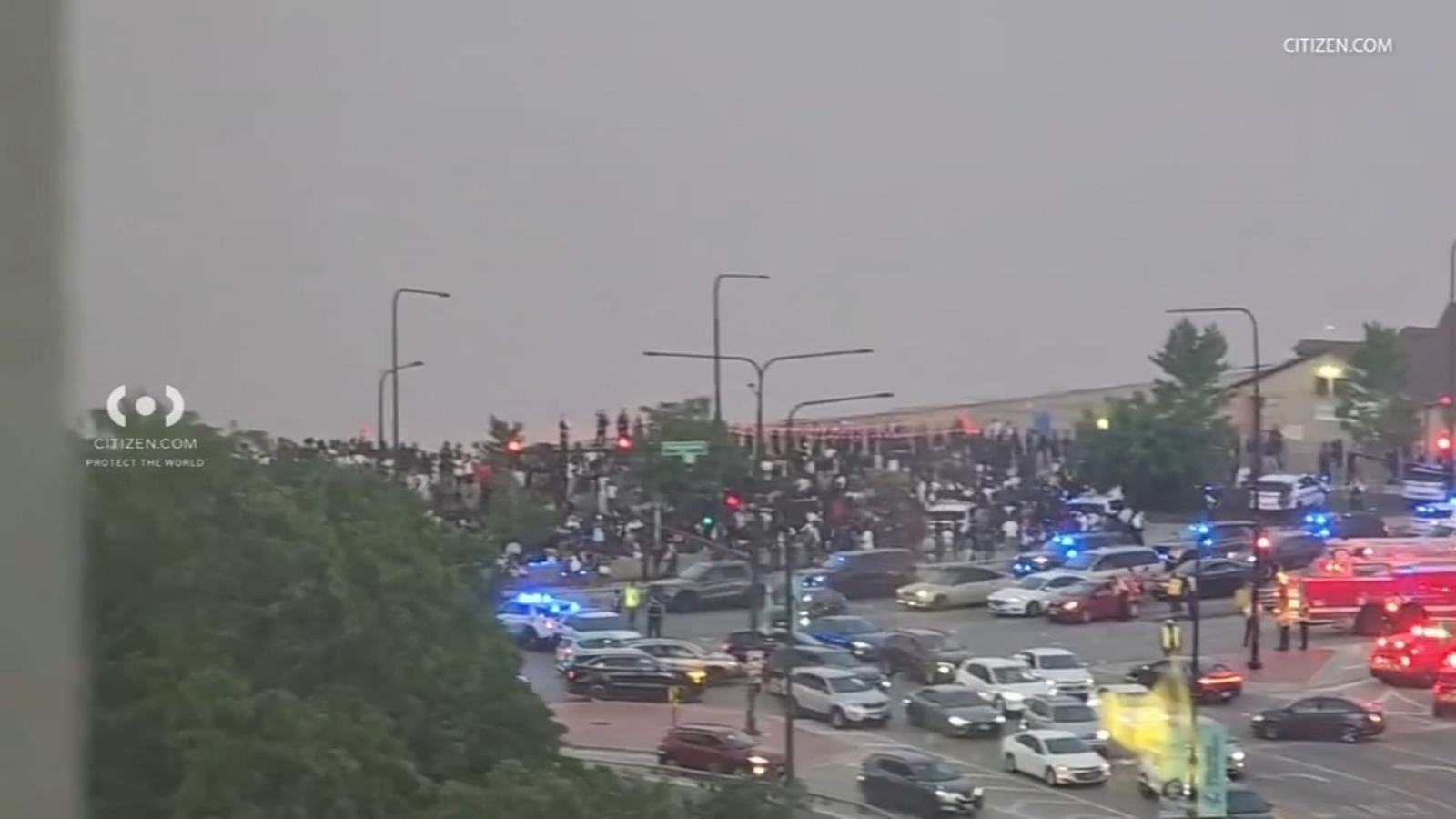
Chicago’s beaches became flashpoints Monday night as police scrambled to disperse hundreds of teenagers participating in what authorities called an “unauthorized large gathering,” shutting down portions of Lake Shore Drive and leaving three men wounded in a nearby shooting. The chaos at 57th Street Beach and North Avenue Beach marked the latest escalation in a viral trend of coordinated teen takeovers that have left cities from coast to coast grappling with safety concerns and overwhelmed law enforcement.
What Happened at 57th Street Beach: A Night of Chaos and Crackdowns
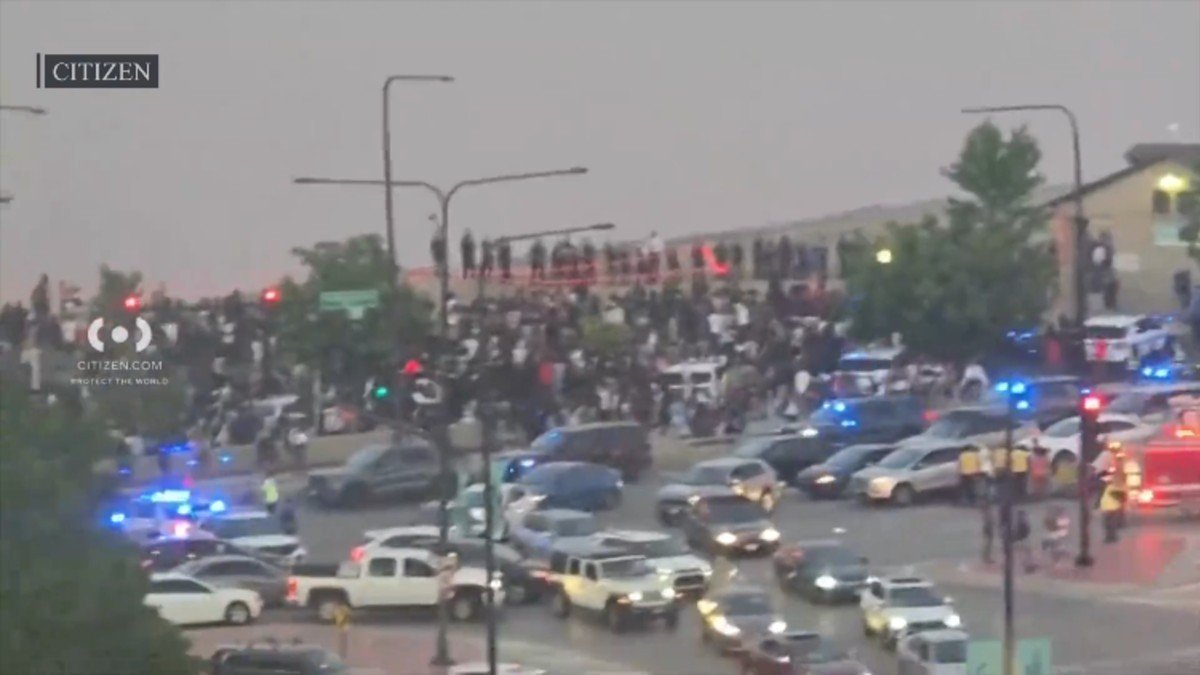
The scene at 57th Street Beach near Hyde Park devolved into a standoff between police and hundreds of teenagers after University of Chicago Police issued an alert about a planned “teen trend” gathering at 6 p.m. Monday. By 9 p.m., the Chicago Police Department had deployed a heavy presence, shutting down northbound lanes of Lake Shore Drive as crowds attempted to climb over walls and disrupt traffic. Citizen video showed officers lining the lakefront, redirecting vehicles, and eventually dispersing the group, which had swelled to an estimated 1,000 people at its peak, according to the Chicago Sun-Times. Police confirmed mace was sprayed at officers during the confrontation, though no arrests were made at the beach itself.
Traffic snarls extended beyond the beach as officers rerouted vehicles, creating a backup that stretched for blocks. The Chicago Office of Emergency Management and Communications (OEMC) urged drivers to take alternate routes, warning of delays on DuSable Lake Shore Drive. Meanwhile, a separate but equally chaotic scene unfolded at North Avenue Beach, where another large crowd gathered, further straining police resources.
“I continue to call on parents and guardians to know where their children are and to help ensure they are safe and accounted for.”
Mayor Brandon Johnson
The mayor’s plea came after an even more violent incident Sunday morning on the Near West Side, where an 18-year-old was charged with attempted murder after allegedly hitting five police officers with a car while they dispersed a similar gathering. That case underscores the escalating dangers of these events, which have spread from social media challenges to real-world confrontations with law enforcement.
A Shooting in the Aftermath: When Viral Trends Turn Deadly
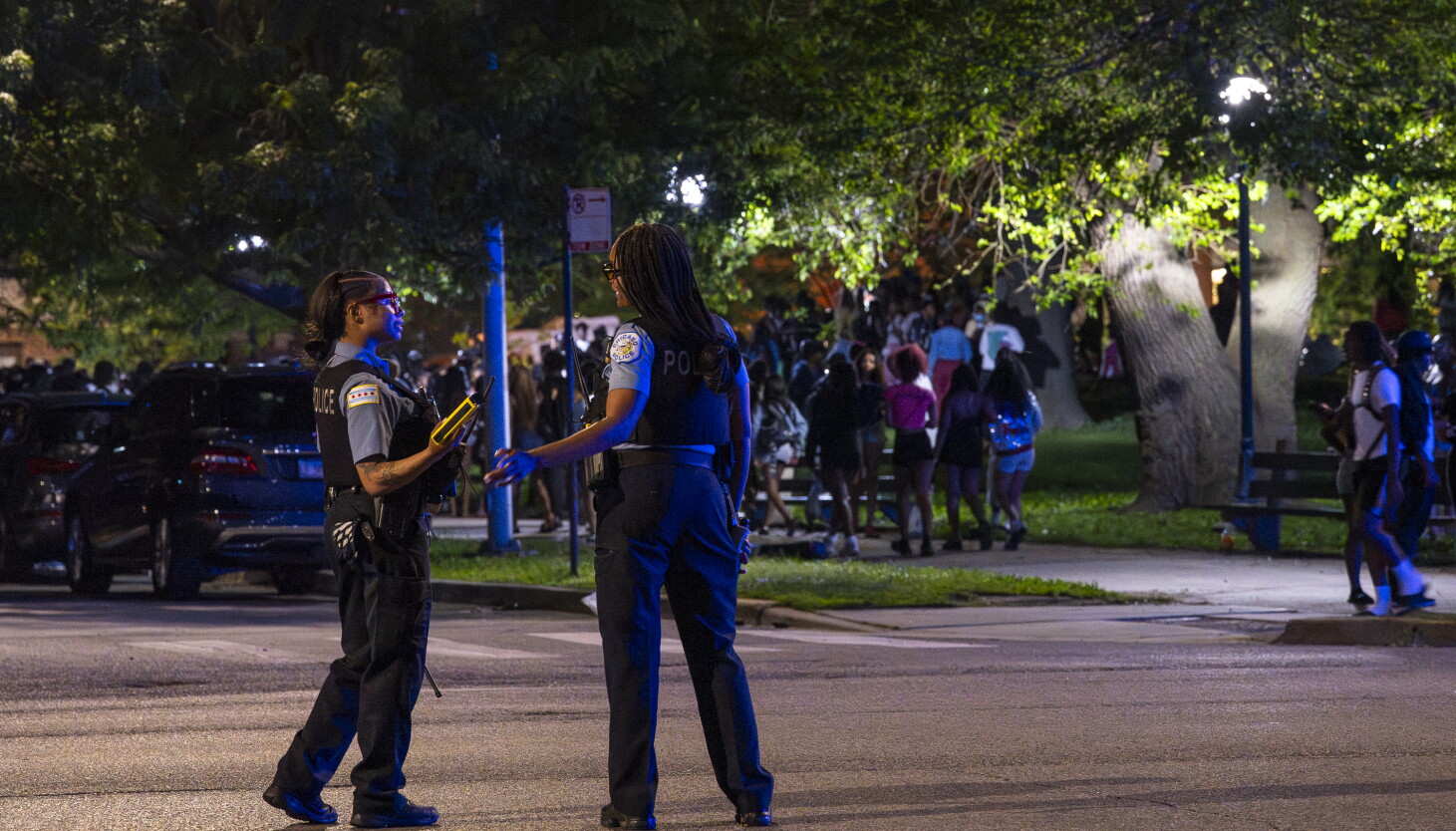
Just blocks away from the beach chaos, a shooting at 10 p.m. Monday night left three young men hospitalized with non-life-threatening injuries. Police reported that an 18-year-old and two 19-year-olds were standing near the gathering at 55th Street when gunfire erupted, striking one in the hand, another in the leg, and the third in the hip. All three were taken to a hospital in good condition, though the motive for the shooting remains under investigation.
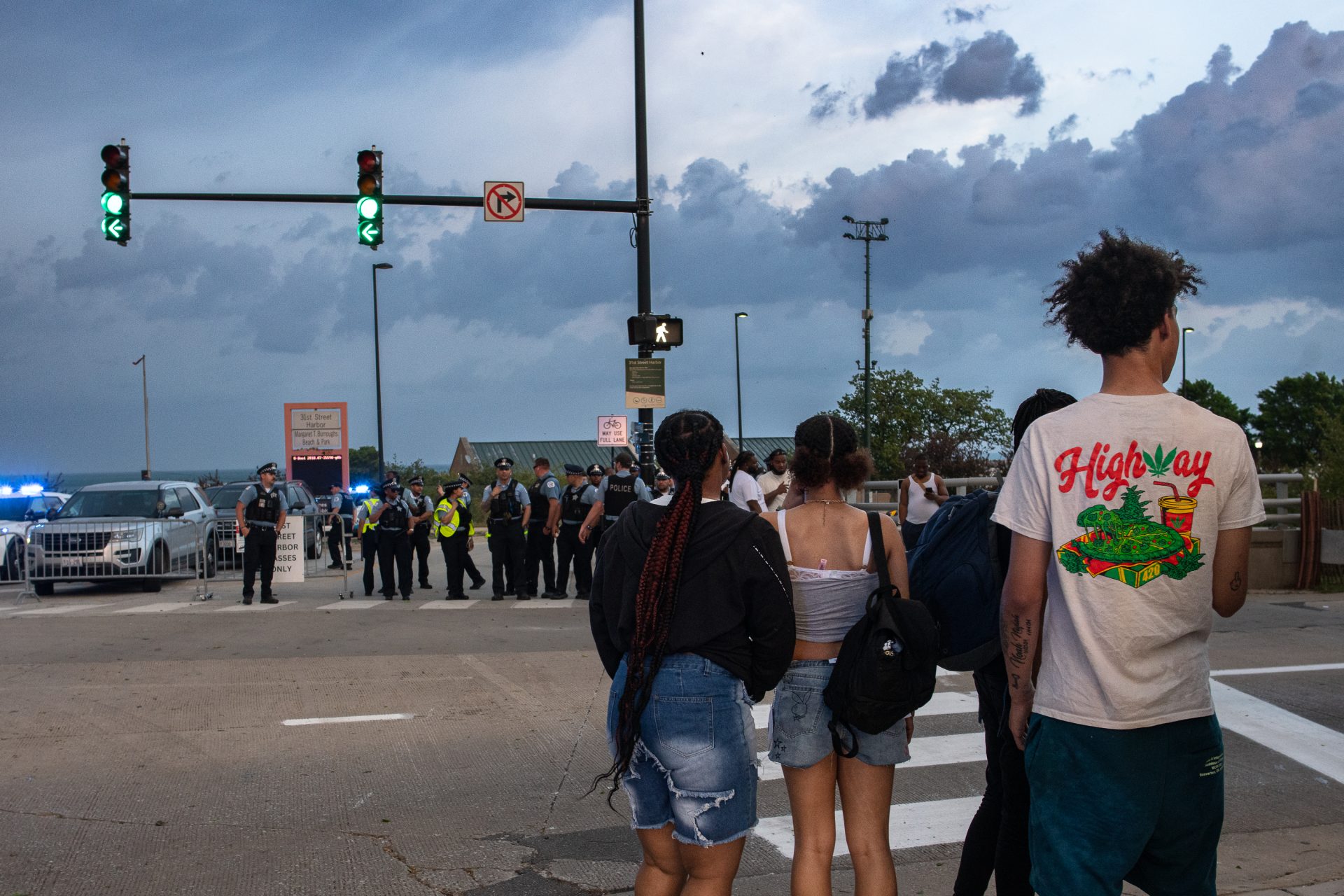
The timing of the shooting—just as police were working to disperse the beach crowds—raises questions about whether the two incidents were connected. While authorities have not established a direct link, the proximity in time and location suggests these events are part of a broader pattern of unregulated gatherings where safety protocols are ignored. The shooting also highlights the unintended consequences of these viral trends: as teens flock to public spaces for attention or thrills, they often find themselves in environments where violence is not just possible, but increasingly likely.
The Teen Takeover Trend: How a Social Media Challenge Became a Public Safety Crisis
The gatherings at 57th Street Beach and North Avenue Beach are the latest manifestations of a trend that has swept across the U.S. in recent weeks. What began as a social media challenge—where teens coordinate large, unauthorized gatherings in public spaces—has morphed into a logistical nightmare for cities. From mall takeovers in Los Angeles to beach invasions in Miami, law enforcement agencies are struggling to keep up with the unpredictable and often dangerous nature of these events.
Chicago is not alone in its response. As NBC Chicago reported, police in other cities have faced similar challenges, with some adopting preemptive measures like increased patrols or public service announcements warning parents about the risks. Yet the trend shows no signs of slowing, fueled by the anonymity of social media and the allure of viral fame. For teens, these gatherings offer a sense of belonging and excitement; for cities, they represent a growing public safety crisis.
Why This Matters: The Human and Institutional Costs
The immediate costs of Monday’s events were clear: disrupted traffic, injured officers, and wounded civilians. But the long-term implications extend far beyond the immediate chaos. For parents, the trend forces difficult conversations about digital safety and real-world risks. For police departments already stretched thin, these gatherings divert resources from other critical public safety needs. And for the teens themselves, the consequences can be severe—whether through injury, legal trouble, or the psychological toll of participating in high-risk behavior.
Mayor Johnson’s call to parents reflects a broader frustration: that while cities are scrambling to respond, the responsibility for prevention ultimately falls on families. Yet many parents may not even be aware their children are participating in these events, which are often organized through encrypted messaging apps or private social media groups. This lack of transparency makes it difficult for authorities to intervene before the gatherings spiral out of control.
What Comes Next: Can Cities Regulate the Unregulatable?
The challenge for Chicago—and other cities facing similar issues—is how to address a phenomenon that thrives on its own lack of structure. Police can disperse crowds, issue warnings, and even make arrests, but without addressing the root causes—such as the desire for social validation, the influence of social media, or the absence of safe alternatives for teens—these events are likely to continue. Some experts suggest a multi-pronged approach: partnering with schools to educate students about the risks, collaborating with social media platforms to monitor and flag dangerous trends, and creating supervised spaces where teens can gather safely.
For now, the focus remains on damage control. Police will likely increase patrols in high-risk areas, and city officials may explore legal avenues to penalize organizers or parents who fail to supervise their children. But the deeper question—how to curb a trend that feels untouchable—remains unanswered. As Monday’s events proved, the stakes are too high to wait for a solution.
One thing is certain: the teen takeover trend is not going away anytime soon. But without a coordinated response from parents, educators, and law enforcement, the next gathering could be even more dangerous.
