
Research presented at the Endocrine Society’s annual meeting, ENDO 2026, on June 18, 2026, suggests that GLP-1 weight-loss medications may improve male fertility and testosterone levels. While these drugs are not approved for fertility treatment, new data indicate they may restore hormonal balance in obese men without the risks associated with traditional hormone replacement therapy.
Impact of GLP-1 Medications on Male Reproductive Health
New clinical findings are shifting the perspective on how GLP-1 receptor agonists—widely used for diabetes and weight management—affect male reproductive outcomes. Researchers analyzing data from men aged 18 to 65 found that obesity often disrupts the hypothalamic-pituitary-gonadal (HPG) axis, the system responsible for testosterone and sperm production. According to Fox News, the study suggests these medications do not suppress the male HPG axis, as previously feared, but rather support hormonal recovery through weight loss.

In a separate analysis of 110 adult men with obesity or diabetes, researchers observed that patients lost an average of 10% of their body weight over 18 months. During this period, the proportion of men with normal total and free testosterone levels increased from 53% to 77%, as reported by Новости GxP. This suggests that the physiological benefits of weight loss may serve as an effective tool for supporting male reproductive health without the need for synthetic testosterone.
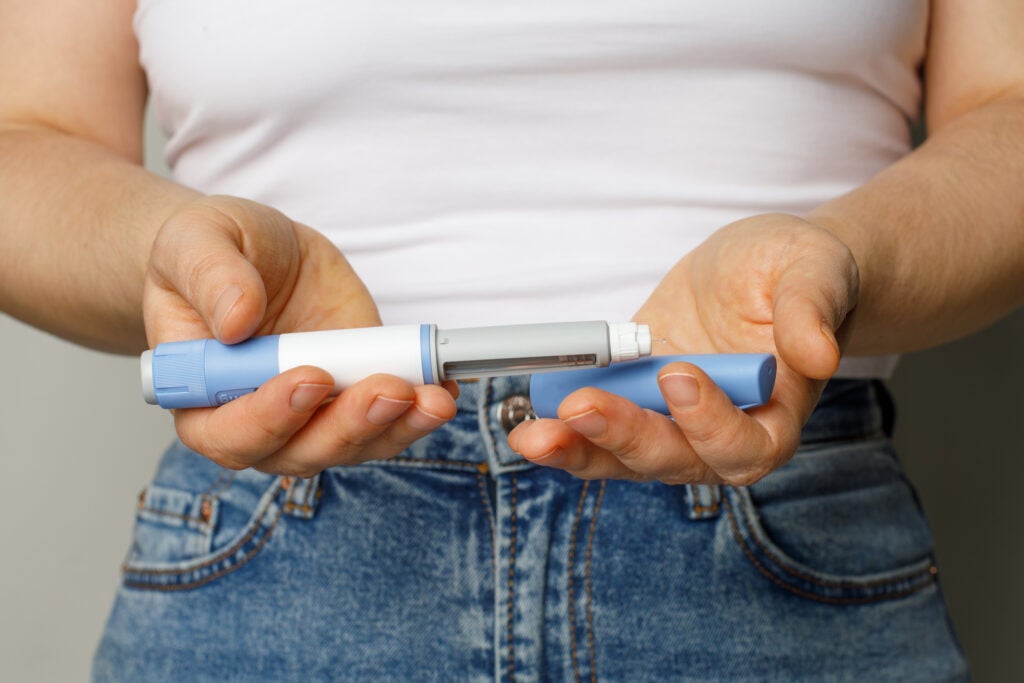
The HPG axis is a tightly regulated feedback loop involving the hypothalamus, the pituitary gland, and the testes. Obesity-related metabolic syndrome often leads to a state of hypogonadotropic hypogonadism, where the body produces insufficient levels of testosterone and sperm due to high levels of systemic inflammation and adipose-derived hormones like leptin and estrogen. By targeting the GLP-1 receptor, these medications help improve insulin sensitivity and reduce body mass, which can help reverse these suppressive metabolic signals.
For more on this story, see Breakthrough drug cuts muscle loss by 55% in GLP-1 weight-loss users.
Clinical Evidence and Expert Analysis
The systematic review presented at ENDO 2026 evaluated five randomized controlled trials, looking at parameters including sperm concentration, testosterone levels, and metabolic markers. The authors concluded that these drugs offer a potential alternative to traditional treatments.
"GLP-1 medications do not appear to acutely suppress the male HPG axis and may improve reproductive hormones and semen parameters in obese hypogonadal men, largely within the context of weight loss."
Dr. Anthony Puopolo, a men’s health expert and lead medical provider for RexMD, noted that these findings provide early evidence that GLP-1s could be a preferred option for obese men with low testosterone. He stated that unlike testosterone replacement therapy (TRT), which can be harmful to sperm function, GLP-1s may preserve fertility while addressing metabolic health. However, the study authors cautioned that the evidence remains limited, underscoring the need for larger, dedicated randomized controlled trials.
It is important to understand that TRT, while effective at raising testosterone, often works by suppressing the body’s natural production of luteinizing hormone and follicle-stimulating hormone. This suppression can lead to a significant decrease in intratesticular testosterone and a subsequent decline in sperm production, often causing infertility in men seeking to conceive. The clinical interest in GLP-1s lies in their ability to address the root cause—obesity—rather than merely replacing the hormone, potentially avoiding the contraceptive side effects associated with exogenous testosterone administration.
This follows our earlier report, GLP-1 drugs like Ozempic slash endometrial cancer risk by 58% in major study.
Safety Considerations for Pregnancy and Fertility
While the news regarding male fertility is optimistic, the clinical guidance for women remains strict. GLP-1 medications are not considered safe for use during pregnancy. According to Banner Health, patients should utilize reliable birth control while taking these drugs and discontinue use at least two months before attempting to conceive.

A study published on June 9, 2026, in the Annals of Internal Medicine and led by the Harvard T.H. Chan School of Public Health examined nearly 3,600 pregnancies to assess the risks of unintentional GLP-1 exposure during the first trimester. Researchers found that the risk of adverse outcomes, such as non-live birth or congenital malformations, was similar between women who continued taking the medication and those who stopped.
Read also: GLP-1 Drugs Like Ozempic May Cut Breast Cancer Risk by 30%-New Data Sparks Hope.
"These findings provide some reassurance regarding risks of adverse pregnancy outcomes following unintentional GLP-1 exposure in early pregnancy." — Jeremy Brown, Harvard T.H. Chan School of Public Health.
Despite this reassurance, experts emphasize that the study does not address the safety of sustained GLP-1 use throughout a full pregnancy. As the prevalence of GLP-1 dispensing in the 90 days prior to conception rose from 2 per 1,000 in 2020 to 15 per 1,000 in 2024, clinicians are increasingly focused on managing these exposures. The developmental stages of a fetus are highly sensitive to metabolic fluctuations and exogenous compounds, which is why regulatory bodies and manufacturers continue to advise against use during gestation.
The rapid rise in GLP-1 utilization necessitates a cautious approach. Because clinical trials for these medications typically exclude pregnant individuals, data on long-term outcomes for offspring are limited. Consequently, the medical community relies on registry data and observational studies to monitor safety signals. Patients are encouraged to consult their healthcare provider regarding specific fertility goals and medication management to ensure that metabolic health is optimized safely prior to attempting conception.
Find more reporting in our Health section.
