Retail Tech and the Ghost of Vacancy: A Singapore Case Study
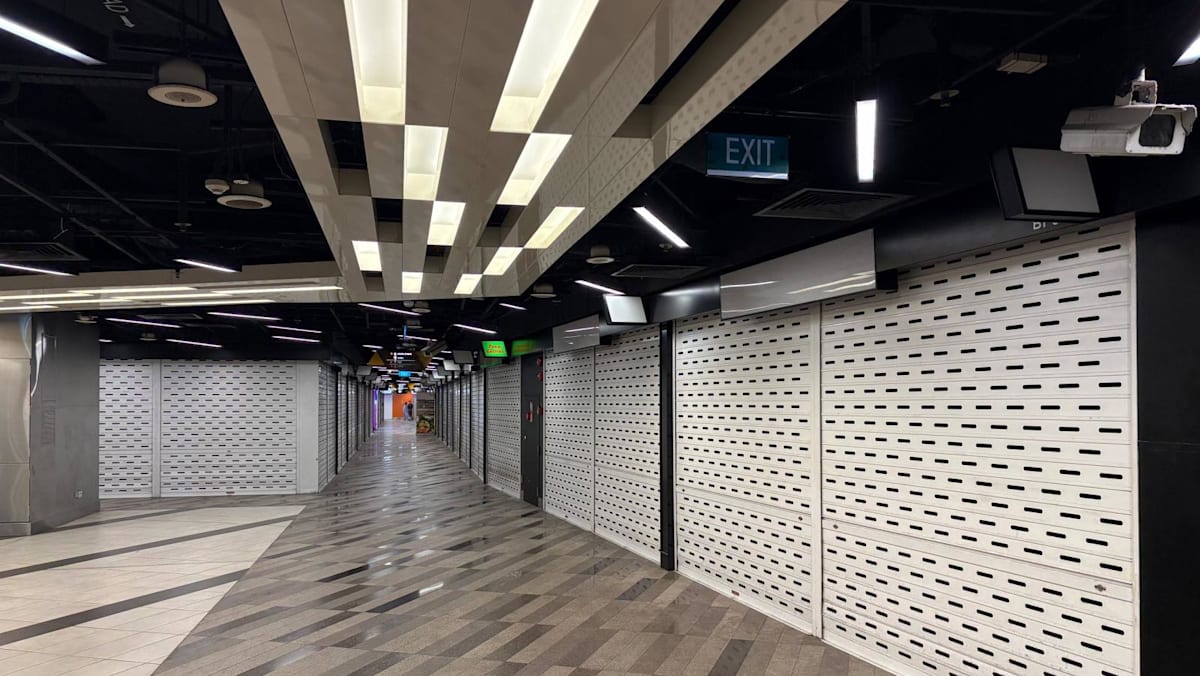
A growing trend of commercial vacancies in Singapore, particularly within established MRT-integrated retail spaces like Tanjong Pagar Plaza, signals a broader recalibration of urban retail strategy in the wake of evolving consumer behavior and increasingly sophisticated digital commerce. Recent reports indicate a significant exodus of tenants, prompting questions about the viability of traditional retail models and the potential for technological intervention to revitalize these spaces. While often framed as a real estate issue, the underlying drivers are deeply connected to shifts in consumer spending, the rise of e-commerce, and the evolving expectations of retail experiences.
The Tanjong Pagar Plaza Example: More Than Just Vacancies
The recent departures from Tanjong Pagar Plaza, as reported by CNA, aren’t isolated incidents. The situation highlights a confluence of factors. Increased rental costs, particularly following the opening of the Thomson-East Coast Line’s Marine Parade station, have become a significant barrier for smaller retailers. Simultaneously, a reported lack of effective marketing by landlords, coupled with lingering concerns about the plaza’s image—previously linked to illicit activities—has contributed to a decline in foot traffic. This situation mirrors challenges observed at Orchard Xchange, where similar issues led to widespread vacancies in 2021. However, the root cause isn’t simply physical location or cost. It’s a fundamental shift in how consumers interact with retail.
The Rise of Experiential Retail and the Data-Driven Store
Consumers are increasingly prioritizing experiences over pure product acquisition. This shift necessitates a move away from simply offering goods and towards creating immersive, engaging environments. Technology plays a crucial role in this transformation. Retailers are leveraging technologies like augmented reality (AR) to allow customers to virtually “try on” products, personalized recommendations based on data analytics, and interactive displays to enhance the shopping experience. According to a recent report by Reuters Technology, investments in retail technology are projected to exceed $200 billion globally by 2027, driven by the need to adapt to these changing consumer expectations. The stores that *are* thriving are those that integrate digital tools seamlessly with the physical environment.
Smart Spaces and the Potential for Retail Revitalization
The vacant spaces in Tanjong Pagar Plaza and similar locations present an opportunity to reimagine retail as “smart spaces” – environments optimized through data collection and analysis. IoT sensors can track foot traffic patterns, monitor customer behavior, and even adjust environmental factors like lighting and temperature to create a more comfortable and engaging atmosphere. AI-powered analytics can then process this data to provide retailers with valuable insights into customer preferences, enabling them to optimize product placement, personalize marketing efforts, and improve overall store operations. This is a prime example of the application of Industry 4.0 principles to the retail sector. The integration of digital twins—virtual replicas of physical stores—allows for experimentation and optimization without disrupting the customer experience.
The Role of Digital Identity and Personalized Commerce
A key component of the future retail experience will be the seamless integration of digital identity. Secure and privacy-preserving digital IDs will allow retailers to recognize customers upon entry, access their purchase history, and offer personalized recommendations in real-time. Technologies like blockchain could play a role in ensuring the security and transparency of these digital identities, addressing concerns about data privacy. However, the widespread adoption of digital identity solutions requires careful consideration of ethical implications and robust regulatory frameworks. As noted by the World Economic Forum, establishing trust in digital identity systems is critical for unlocking the full potential of personalized commerce.
Beyond Retail: Adapting to New Urban Needs
The vacancies also highlight the need for landlords to diversify their tenant mix and adapt to evolving community needs. The push for more family-friendly businesses, enrichment centers, and hobby shops in Tanjong Pagar Plaza, as reported, is a positive step. However, this requires a more data-driven approach to tenant selection, leveraging analytics to identify underserved segments of the local population and attract businesses that cater to those needs. The future of urban retail may lie in creating mixed-use spaces that combine retail with other community services, fostering a sense of place and attracting a wider range of visitors. Read more on Globally Pulse Technology for more insights on smart city development.
Challenges and Future Outlook
Despite the potential for technological revitalization, several challenges remain. The cost of implementing smart retail technologies can be prohibitive for smaller retailers. Data privacy concerns and the need for robust cybersecurity measures are also critical considerations. Furthermore, the success of these initiatives depends on collaboration between landlords, retailers, and technology providers. However, the trend towards data-driven retail is undeniable. As consumers become increasingly digitally savvy, retailers who embrace technology and prioritize the customer experience will be best positioned to thrive in the evolving landscape. The revitalization of spaces like Tanjong Pagar Plaza will serve as a test case for the future of urban retail in Singapore and beyond.
