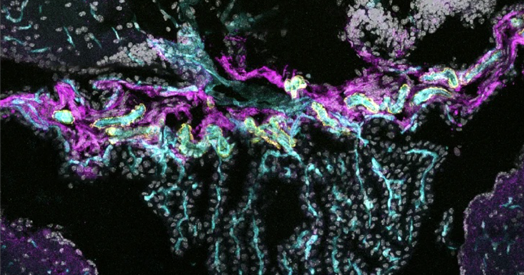
Newly Discovered Brain Barrier Offers Potential Targets for Neuroinflammatory Disease
A previously unknown cellular barrier within the brain, dubbed the “base barrier cells” (BBCs), has been identified by researchers at VIB and Ghent University, offering new insights into how the central nervous system is protected and potentially opening avenues for treating neuroinflammatory conditions. This discovery, published in Nature Neuroscience, highlights a critical, previously unrecognized component of the brain’s defense system.
Understanding the Choroid Plexus and Cerebrospinal Fluid
The brain is safeguarded by multiple barriers, including the well-known blood-brain barrier. Another crucial interface is the choroid plexus, a structure within the brain’s ventricles responsible for producing cerebrospinal fluid (CSF). CSF cushions the brain, delivers nutrients, and removes waste products. The choroid plexus also forms a blood-CSF barrier, regulating the passage of substances between the bloodstream and the CSF. According to the National Institutes of Health, disruptions to CSF circulation or composition can contribute to neurological disorders.
The Role of Base Barrier Cells
Researchers discovered that BBCs, a unique population of fibroblasts, reside at the base of the choroid plexus. These cells connect via tight junctions – specialized structures that create a seal between cells – effectively acting as a gatekeeper. This barrier compartmentalizes the choroid plexus, the brain, and the CSF, limiting the movement of molecules and immune cells. The study revealed that this barrier is not merely a structural component but actively regulates communication between the periphery and the central nervous system.

Study Findings and Methodology
The research team utilized advanced gene sequencing and high-resolution microscopy to identify and characterize the BBCs. They found that these cells originate from meningeal mesenchymal precursors during development and remain present throughout life, even across different species. Importantly, the BBCs exhibit transcriptional similarities to arachnoid barrier cells in the meninges, suggesting a functional connection between these two protective layers. Researchers demonstrated that injecting biotinylated dextrans—small molecules—into the blood or ventricles could not pass through the BBC layer, confirming its barrier properties.
Vulnerability During Inflammation
A critical finding of the study is the vulnerability of the BBCs during systemic inflammation, such as that caused by severe infection. Under inflammatory conditions, the integrity of the barrier breaks down, allowing harmful substances and immune cells to enter the brain. This compromised barrier could potentially exacerbate neuroinflammation and contribute to the progression of neurological diseases. The World Health Organization recognizes neuroinflammation as a key factor in a range of neurological conditions, including Alzheimer’s disease, Parkinson’s disease, and multiple sclerosis.
Implications for Neuroinflammatory Diseases
The discovery of BBCs provides a new target for therapeutic intervention in neuroinflammatory diseases. Maintaining the integrity of this barrier could potentially protect the brain from damaging immune responses and reduce inflammation. Researchers suggest that future studies could explore strategies to strengthen or repair the BBC barrier during inflammatory events. Further research is needed to fully understand the mechanisms regulating BBC function and how they contribute to the development and progression of neurological disorders.
Expert Commentary
“These findings reveal how vulnerable and protectable the brain is, opening new perspectives for more targeted interventions in brain disorders,” said Professor Roosmarijn Vandenbroucke of VIB–UGent Center for Inflammation Research. “We’ve uncovered a new line of defense for the brain. These cells form a smart, dynamic gate at a location we hadn’t fully appreciated.”
Next Steps in Research
Future research will focus on elucidating the molecular mechanisms that regulate BBC development, function, and vulnerability to inflammation. Researchers also plan to investigate the potential for therapeutic interventions targeting the BBCs to protect the brain in various neurological conditions. Read more on Globally Pulse Health for updates on this developing area of research.
