
New Mexico is spearheading a national effort to compel the federal government to remediate per- and polyfluoroalkyl substances (PFAS) contamination at military installations. As of May 20, 2026, the state is intensifying its push for cleanup, citing the persistent toxicity of these “forever chemicals” found at multiple military sites across the region.
New Mexico’s Regulatory Push Against Federal PFAS Contamination
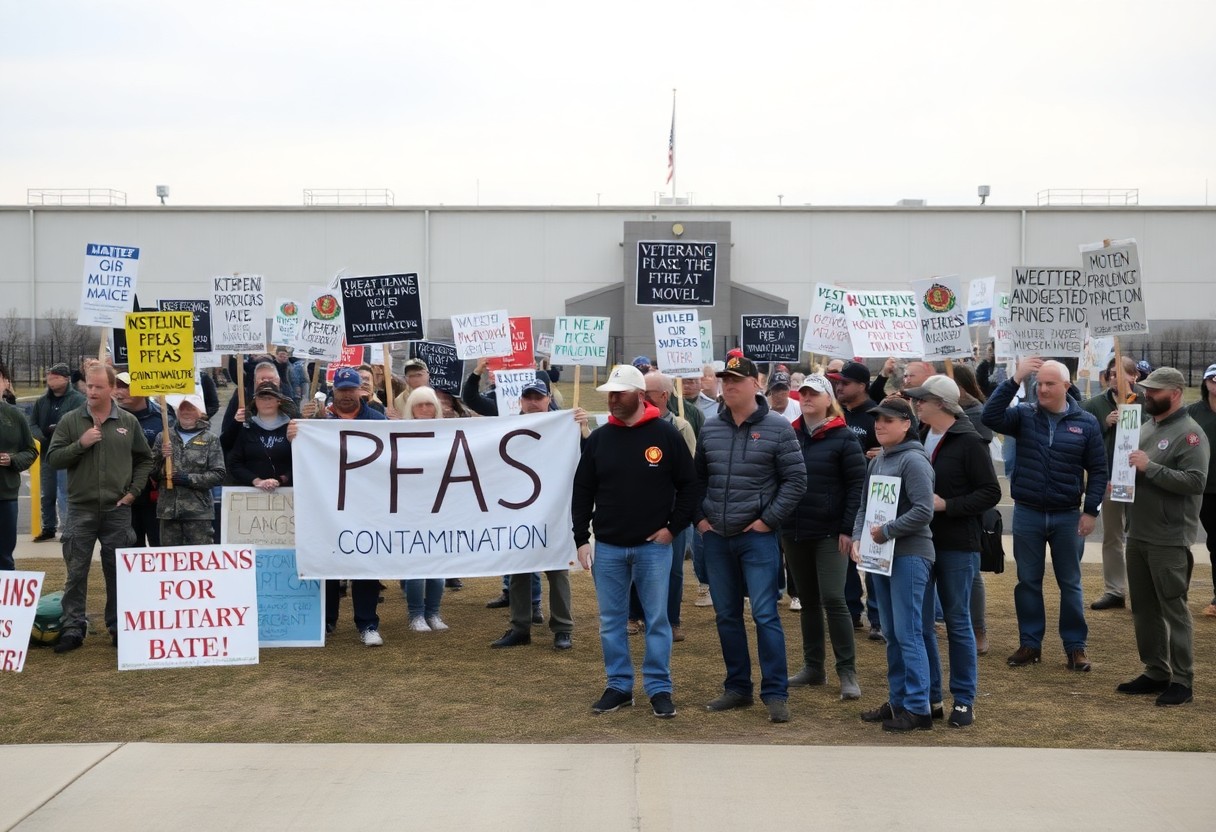
The state of New Mexico has emerged as a primary actor in the ongoing national conflict regarding the environmental impact of military base operations. State leadership is currently pressing the federal government to address the widespread presence of per- and polyfluoroalkyl substances, commonly referred to as forever chemicals,
which have been identified at military facilities within the state.
This effort represents a significant escalation in the state’s involvement in environmental oversight of federal lands. The focus remains on the remediation of sites where these synthetic compounds, known for their extreme persistence in the environment and potential health risks, have leached into local ecosystems. While the federal government maintains jurisdiction over its military installations, New Mexico is positioning itself at the forefront of a movement to enforce stricter environmental cleanup standards on federal agencies.
The Scope of the Contamination Challenge

The presence of PFAS at military bases is a byproduct of historical practices, particularly the use of specialized firefighting foams that contained these chemicals. Because these substances do not break down naturally, they have accumulated in soil and groundwater, posing long-term management challenges for both the Department of Defense and surrounding communities.
Public discourse surrounding the issue has intensified this week, with state officials highlighting the urgency of the remediation process. The debate centers on the technical and financial responsibility for cleaning up these legacy contaminants. While various private and public entities are currently exploring potential technological solutions for PFAS removal, the scale of the contamination at military sites remains a primary hurdle for state and federal regulators.
Institutional Responses and Ongoing Legal Efforts
The federal government’s responsibility for environmental stewardship on military bases is currently the subject of mounting scrutiny. In New Mexico, the state’s leadership has utilized its platform to call for a more proactive approach to federal site cleanup, framing the issue as a public health imperative.
The situation is characterized by a complex interplay between state-level environmental mandates and federal military operations. As of Wednesday, May 20, 2026, there is no indication of a finalized agreement on the timeline or funding mechanisms for comprehensive remediation efforts. Instead, the situation remains a fluid legal and political struggle, with the state continuing to apply pressure on the federal government to commit to a formal, expedited cleanup schedule.
The technical community is closely monitoring these developments, as any mandated cleanup will likely require the deployment of advanced filtration and chemical degradation technologies. The efficacy of these technologies, and the capacity of the federal government to implement them at scale across multiple, geographically dispersed bases, will determine the trajectory of the cleanup effort in the coming months.
For now, the state remains focused on ensuring that the federal government does not avoid its obligations, marking a notable chapter in the ongoing national reckoning with the environmental legacy of military and industrial chemical use.
Regulatory Frameworks and Environmental Oversight
The friction between New Mexico and federal entities stems from the specific chemical properties of PFAS, which are characterized by a carbon-fluorine bond that resists degradation. Because of this molecular structure, these substances persist in the human body and the environment, leading to the designation of forever chemicals.
The state’s current strategy involves leveraging its regulatory authority to force the federal government into a more transparent and accelerated remediation schedule, moving beyond initial assessment phases toward active removal of the contaminants from groundwater and soil.
Legal experts and environmental policy analysts observe that this conflict highlights a broader national challenge regarding the sovereignty of federal installations versus the environmental protection mandates of the states in which they reside. New Mexico’s administration argues that existing federal cleanup timelines are insufficient to mitigate the long-term health risks associated with the documented levels of contamination. The state is utilizing its environmental departments to track concentrations of these substances, creating a data-driven basis for its demands for federal intervention.
Technical Hurdles in Remediation

The technical difficulty of removing PFAS from military sites is significant due to the chemicals’ solubility and their ability to migrate through aquifers. Current remediation strategies typically involve carbon filtration or ion-exchange resins, though these methods require consistent maintenance and monitoring to ensure efficacy. The federal government faces the logistical task of scaling these operations across numerous sites that vary in geological composition and contamination density.
Furthermore, the state’s push is not merely for assessment but for the implementation of permanent removal technology. This transition from monitoring to active remediation requires a significant capital investment and a commitment to long-term monitoring, which remains a sticking point in negotiations. The state’s insistence on a formalized cleanup schedule seeks to prevent indefinite delays that have historically plagued federal environmental projects.
Public Health and Policy Implications
The discourse in New Mexico focuses heavily on the potential for chemical leaching into local water supplies, which serves as the primary driver for the state’s aggressive legal and political posture. By framing the presence of these chemicals as an immediate environmental and public health threat, state leadership has successfully elevated the issue within the national policy conversation.
The outcome of this state-led initiative could establish a precedent for how other states approach PFAS contamination on federal land. As of May 20, 2026, the focus remains on the federal government’s capacity to respond to the state’s requirements for cleanup. The ongoing struggle underscores the tension between federal operational requirements and the environmental standards that states are increasingly demanding to protect the safety of their constituents. The state continues to maintain that the cleanup of these sites is not optional but a requirement for the continued operation of these facilities in alignment with modern environmental safety standards.
