Nvidia CEO Jensen Huang’s net worth surged past $191.5 billion on May 11, 2026, catapulting him to the world’s seventh-richest individual as the company’s stock neared record highs, according to Forbes’ real-time billionaires list. The milestone came as Nvidia’s market cap briefly exceeded $5.3 trillion, surpassing Alphabet and solidifying its dominance in AI-driven computing.
Nvidia’s Market Cap Surge: A $5.3 Trillion Behemoth
Nvidia’s stock rally in early May 2026 propelled its market capitalization to an unprecedented $5.36 trillion, making it the largest publicly traded company in history. The surge followed a four-day winning streak that added roughly $550 billion to its valuation, a figure that now exceeds the combined market caps of 18 other U.S. companies. The company’s dominance in AI infrastructure—particularly its dominance in GPU-driven data centers—has fueled investor confidence, with shares trading near all-time highs.
Forbes’ real-time billionaires list, updated on May 11, 2026, placed Huang’s net worth at $191.5 billion, surpassing Dell founder Michael Dell, whose fortune dipped to $191.2 billion on the same day. Huang’s stake in Nvidia, which holds roughly 3% of the company, has grown exponentially alongside the stock’s performance. The milestone underscores Nvidia’s role as a cornerstone of the AI revolution, with its chips powering everything from cloud computing to autonomous vehicles.
Analysts attribute the surge to Nvidia’s continued leadership in AI hardware, including its latest generation of GPUs and the expanding adoption of its CUDA platform. The company’s first-quarter revenue of $44.1 billion—up 69% year-over-year—further cemented its position as the most valuable company in the world, briefly overtaking Alphabet (Google) in market cap.
Huang’s Wealth: From Silicon Valley to Global Billionaire Club
Jensen Huang, Nvidia’s founder and CEO, has transformed from a Silicon Valley entrepreneur into one of the wealthiest individuals on the planet. His net worth has ballooned alongside Nvidia’s stock performance, reflecting the company’s pivotal role in the AI boom. As of May 2026, Huang’s fortune is nearly double what it was just two years prior, a trajectory that mirrors Nvidia’s exponential growth in the AI and data center markets.
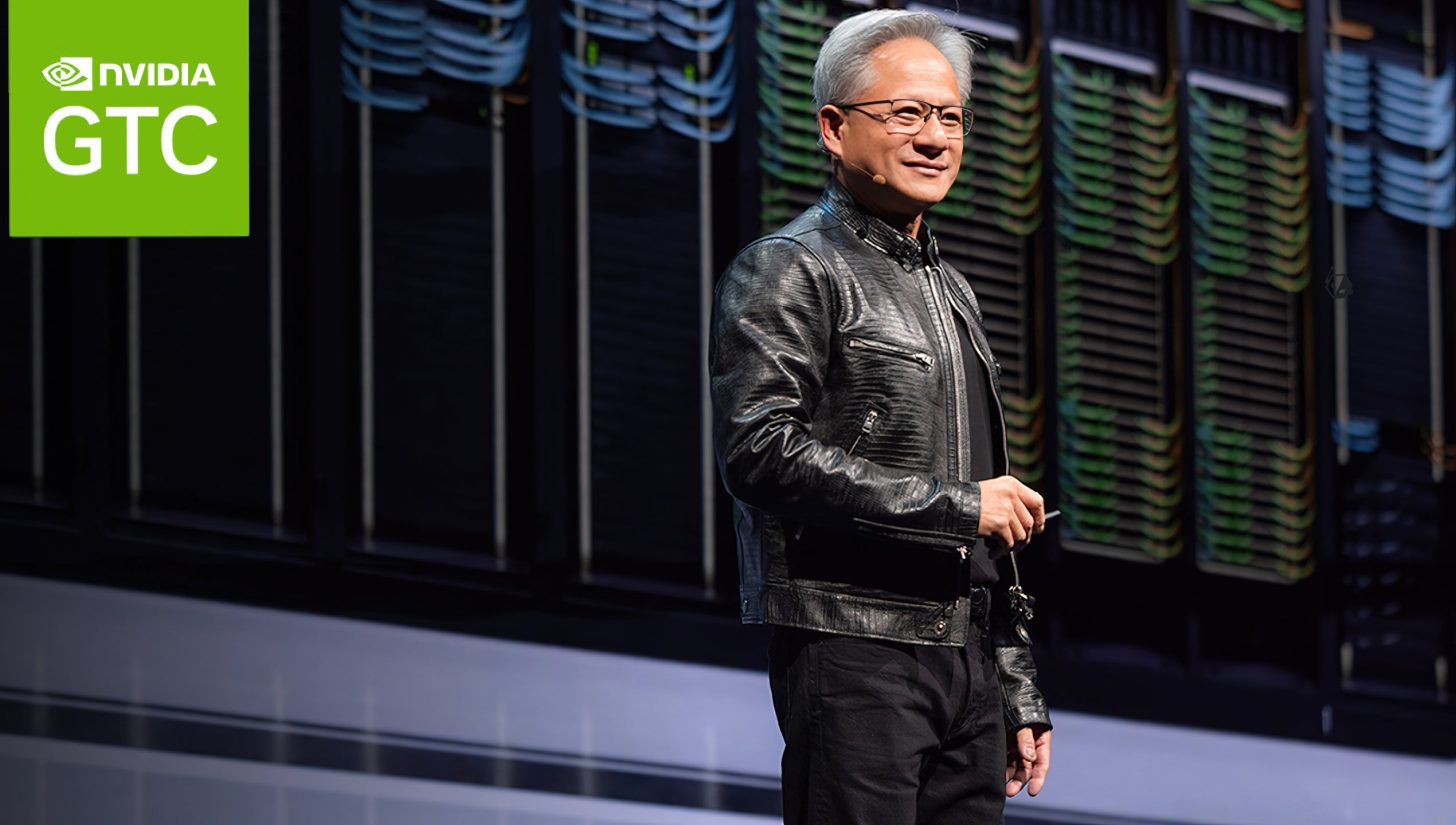
Huang’s wealth is largely tied to his stake in Nvidia, which has become a proxy for the broader tech sector’s AI-driven expansion. The company’s dominance in AI chips—particularly its H100 and Blackwell architectures—has made it indispensable for enterprises and governments investing in artificial intelligence. Huang’s influence extends beyond finance; his public statements and strategic decisions have shaped Nvidia’s trajectory, reinforcing its position as the leader in high-performance computing.
While Huang’s compensation has fluctuated—his total pay package decreased by 27% to $363 million in 2026—his stock-based wealth has continued to climb, now approaching the $200 billion mark. This shift highlights the growing disconnect between executive pay structures and shareholder value in tech companies, where equity appreciation often outweighs traditional salary and bonuses.
The $200 Billion Question: What’s Next for Nvidia?
As Huang’s net worth nears the $200 billion threshold, speculation has grown about whether he will soon join the ranks of the world’s top five richest individuals. The question is not just about personal wealth but about Nvidia’s ability to sustain its growth trajectory. The company’s next major product cycles—particularly its standalone CPU business—will be critical in maintaining investor momentum.
In recent interviews, Huang has hinted at Nvidia’s expansion into new markets, including standalone CPUs and advancements in AI software. The company’s collaboration with Intel, announced in early May 2026, suggests a strategic push to integrate its technologies into broader computing ecosystems. If successful, these initiatives could further drive Nvidia’s valuation and Huang’s personal fortune.
However, challenges remain. Regulatory scrutiny over AI ethics, antitrust concerns, and geopolitical tensions—particularly between the U.S. and China—could impact Nvidia’s growth. The company’s reliance on a single product line (GPUs) also poses risks, though Huang has repeatedly emphasized diversification into software and other hardware segments.
Beyond Nvidia: Jensen Huang’s Broader Influence
While Huang is best known as Nvidia’s CEO, his influence extends to broader conversations about technology, innovation, and corporate leadership. His public appearances—including interviews with CNBC and the Milken Institute Global Conference—have underscored his vision for AI’s role in society. Huang’s emphasis on responsible AI development and collaboration with other tech leaders reflects a growing awareness of the ethical implications of his company’s products.

Yet, Huang’s wealth and Nvidia’s success have also sparked debates about income inequality in the tech sector. As Huang’s net worth approaches $200 billion, critics argue that such concentrations of wealth raise questions about access to technology and the equitable distribution of AI’s benefits. These discussions are likely to intensify as Nvidia’s market dominance continues to grow.
What Comes Next?
For Nvidia, the immediate focus remains on executing its roadmap for AI hardware and software. The company’s next earnings report, expected in late July 2026, will be closely watched for signs of sustained growth. If Nvidia can continue its upward trajectory, Huang’s net worth could soon surpass $200 billion, cementing his place among the world’s wealthiest individuals.
For investors, the key question is whether Nvidia’s stock can maintain its momentum amid broader market volatility. The company’s ability to innovate in AI-driven markets—and Huang’s leadership in steering that innovation—will determine whether this chapter in tech history becomes a defining era of corporate and personal wealth.
One thing is certain: Jensen Huang’s journey from Nvidia’s founder to a global billionaire is far from over. Whether he reaches the $200 billion mark or beyond, his story is a testament to the transformative power of AI—and the individuals who shape its future.
