SpaceX has filed for an initial public offering (IPO) under the ticker SPCX, listing on Nasdaq as it reveals financial details for the first time, including $16 billion in revenue and $8 billion in operating income for 2025, according to its SEC prospectus. The move comes as the company prepares for its next-generation Starship V3 rocket launch this week.
SpaceX’s IPO Unveils Financials Amid Starship’s High-Stakes Debut
SpaceX’s long-anticipated IPO filing has laid bare the company’s financial scale, offering the first public glimpse into its profitability and growth trajectory. With $16 billion in revenue and $8 billion in operating income for 2025, the company’s SEC prospectus underscores its dominance in the aerospace sector—even as it faces regulatory scrutiny and operational challenges. The timing of the disclosure coincides with the Starship V3 rocket’s inaugural flight, a critical test for SpaceX’s ambitions to revolutionize space travel.
The IPO filing, confirmed by CNBC and other financial outlets, marks a pivotal moment for SpaceX, which has remained privately held since its founding in 2002. The company’s valuation and listing under the ticker SPCX on Nasdaq are expected to draw intense investor interest, particularly as SpaceX competes with other high-profile tech IPOs later this year, including those from AI firms like OpenAI and Anthropic.
Financial Disclosure: Revenue, Profits, and Musk’s Control
SpaceX’s financials reveal a company operating at an unprecedented scale. The $16 billion revenue figure—up from earlier estimates—reflects the company’s diversified income streams, including satellite launches, government contracts, and its Starlink broadband constellation. Operating income of $8 billion suggests strong margins, though the prospectus does not yet disclose net income or earnings per share, which will be critical for investors.
Elon Musk, SpaceX’s CEO and majority owner, retains 79% voting control despite holding only 42% equity, according to the filing. This structure allows Musk to maintain operational authority while potentially unlocking liquidity for other shareholders. The IPO’s structure—whether it will be a full public offering or a partial sale—remains unclear, but the move aligns with SpaceX’s need to secure capital for its ambitious roadmap, including Starship development and lunar missions.
Analysts note that SpaceX’s financial disclosure comes at a time when the company is under pressure to demonstrate consistent profitability. While the $16 billion revenue figure is substantial, it also reflects the company’s reliance on government contracts and high-margin satellite launches. The Starship program, though promising, has yet to generate revenue, making its success a key factor in SpaceX’s long-term valuation.
Starship V3: The Next Frontier as SpaceX Goes Public
Just days after the IPO filing, SpaceX is set to launch its Starship V3 megarocket, a critical milestone in its quest to build a fully reusable, next-generation launch system. The Flight 12 test, scheduled for May 21, 2026, from Starbase in Texas, will mark the first in-space maneuvers for the updated Starship design. If successful, the launch could accelerate SpaceX’s timeline for crewed lunar missions under NASA’s Artemis program.
However, the path to Starship’s operational status has been fraught with delays and setbacks. Earlier this month, SpaceX delayed the V3 launch by 24 hours, citing technical preparations. A worker fatality at Starbase on May 15 further underscored the operational risks associated with the program. Despite these challenges, the company’s ability to execute high-profile launches—such as the recent Dragon cargo mission to the International Space Station—demonstrates its operational resilience.
For investors, Starship’s success is non-negotiable. The rocket is central to SpaceX’s vision of interplanetary travel, including Mars colonization. The IPO’s timing suggests that SpaceX is positioning itself as a leader in both commercial and government space contracts, with Starship as its flagship product.
Regulatory and Market Implications
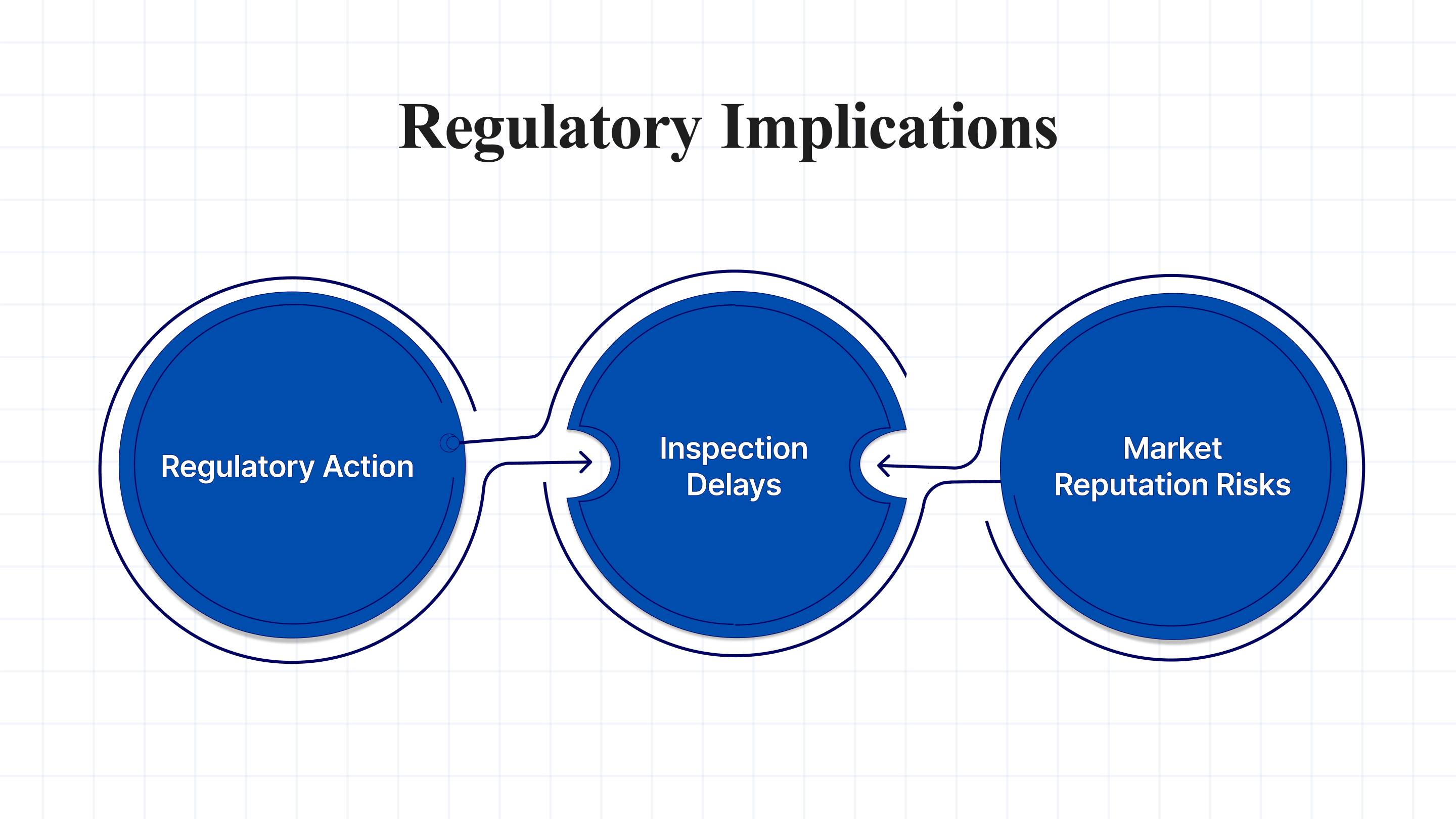
SpaceX’s IPO arrives amid a broader wave of tech and AI companies seeking public listings, but it faces unique regulatory hurdles. The Federal Aviation Administration (FAA) and other agencies will scrutinize SpaceX’s safety record, particularly following the Starship test failures and the recent fatality at Starbase. The company’s environmental impact, especially in Texas, could also influence investor sentiment.
Market analysts suggest that SpaceX’s valuation will hinge on its ability to monetize Starship and Starlink while maintaining its dominance in satellite launches. The company’s $13,000+ employee count and $16 billion revenue place it among the most valuable private aerospace firms, but its IPO success will depend on proving sustained profitability beyond government contracts.
Elon Musk’s influence remains a wildcard. As SpaceX’s public face and majority stakeholder, his strategic decisions—such as prioritizing Starship over other ventures—will shape the company’s trajectory. The IPO could also provide liquidity for Musk’s other ventures, including Tesla and Neuralink, though the exact allocation of proceeds remains unclear.
What Comes Next?
SpaceX’s IPO process is expected to unfold over the coming months, with a potential listing later this year. In the near term, the company’s focus will remain on Starship V3’s test flight and its broader Starship development program. Success in these areas will be critical for justifying the IPO’s valuation and attracting long-term investors.
For now, SpaceX’s financial transparency—however limited—offers a rare window into its operations. The $16 billion revenue and $8 billion operating income figures paint a picture of a company at the forefront of space innovation, but the road ahead will test its ability to balance growth with risk. The Starship program, in particular, will determine whether SpaceX can transition from a high-growth startup to a sustainable, publicly traded enterprise.
One thing is certain: SpaceX’s IPO is not just about raising capital. It’s a statement of ambition—a bet that the future of space exploration is not just viable, but profitable.
