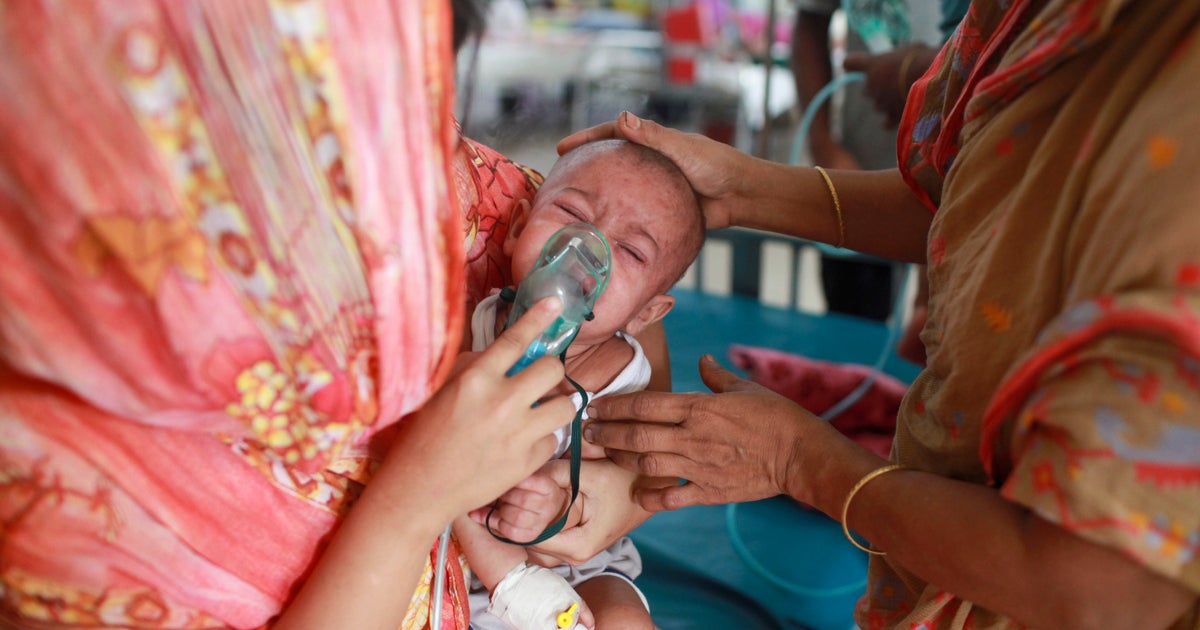
A deadly measles outbreak in Bangladesh has claimed nearly 500 children’s lives since March 2026, with health officials scrambling to contain a crisis that has overwhelmed hospitals and exposed systemic failures in vaccination programs. By May 8, 2026, 18 million children had received measles vaccinations through a nationwide campaign, but experts warn that gaps in immunization coverage—rooted in political and logistical missteps—continue to fuel the epidemic. CBS News and The Express Tribune detail the outbreak’s scale, the challenges of reversing vaccine delays, and the urgent need for long-term health system reforms.
Outbreak Intensifies as Vaccination Efforts Expand
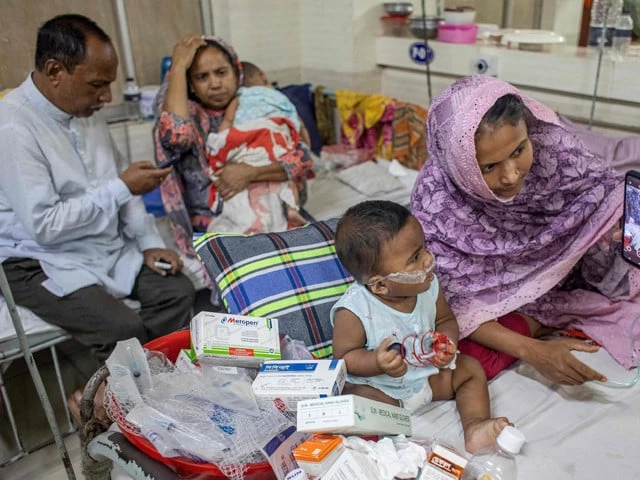
The measles outbreak, which began in March 2026, has surged to critical levels, with over 56,000 suspected cases reported by late April. Hospitals in Dhaka and other regions are packed, with some patients treated on hospital floors due to bed shortages. Children under nine months and older adults have been disproportionately affected, though the majority of fatalities involve young children. “An infected person can spread measles to others even before knowing they have the disease,” the U.S. Centers for Disease Control and Prevention (CDC) notes, emphasizing the virus’s extreme transmissibility. “It can lead to pneumonia, brain swelling, and death,” the agency adds.

UNICEF’s country chief, Rana Flowers, highlighted the role of delayed vaccine procurement in exacerbating the crisis. “The failure to order vaccines was not the result of a lack of money; it was the decision around how to procure them that created a delay,” she said, citing a 2024 uprising that disrupted health infrastructure. The outbreak has also revealed deep gaps in routine immunization, with many children receiving only one dose or none at all. “To be effective, there should be two doses of the vaccine, but we are seeing children who have received either only one dose or no vaccine at all,” said Miguel Mateos Muñoz of UNICEF Bangladesh.
Mass Vaccination Campaigns Offer Limited Relief
A nationwide measles-rubella (MR) vaccination drive, launched in April 2026, has reached 18 million children, according to The Express Tribune. However, health officials caution that the effects of the campaign will take months to materialize. “Vaccinations will become effective four months after receiving the shots,” said Zahid Raihan, a spokesman for Bangladesh’s health department. Despite the progress, the campaign faces challenges in rural areas, where access to healthcare remains limited.
The World Health Organization (WHO) has condemned the outbreak as a “preventable disaster,” stressing that measles is entirely curable through vaccination. “There is no specific antiviral treatment for measles, and while most people recover within two or three weeks, the disease can lead to severe complications,” the WHO warns. The agency has urged Bangladesh to strengthen surveillance systems and ensure equitable vaccine distribution, particularly in regions hardest hit by the outbreak.
Expert Analysis on Systemic Failures
Health experts point to a combination of political instability, funding shortfalls, and bureaucratic delays as root causes of the crisis. Rana Flowers of UNICEF criticized previous governments for ignoring repeated warnings about vaccine shortages. “We sent five letters and held at least 10 meetings with previous governments warning of the risks,” she said, adding that the new administration elected in February 2026 inherited a fragile health system. “No outbreak emerges suddenly overnight,” she emphasized, calling for an “after-action review” to prevent future failures.
The CDC’s data underscores the global implications of the outbreak. With measles cases rising in the U.S. and other countries due to declining vaccination rates, the Bangladesh crisis serves as a stark reminder of the disease’s potential to cross borders. “The U.S. has seen a resurgence of measles in recent years, and this outbreak highlights the importance of maintaining high vaccination coverage,” a CDC spokesperson told CBS News. “Even small disruptions in immunization programs can have catastrophic consequences.”
What Comes Next? A Race Against Time
As the vaccination campaign expands, officials are focusing on long-term solutions to rebuild public trust in immunization. “We want to move to a place where routine vaccinations are working properly and reaching the children who need to be reached,” Flowers said. This includes investing in health facilities, improving data systems, and addressing misinformation that has discouraged some families from vaccinating their children.
However, the immediate challenge remains containing the current outbreak. With over 50,000 confirmed and suspected cases, health workers are urging parents to prioritize vaccination, especially for children under five. “Measles is not just a disease of the past—it’s a present-day threat that demands urgent action,” said Raihan. As the WHO and UNICEF continue to support Bangladesh’s response, the world watches closely to see if this crisis can be a turning point for global immunization efforts.
“The failure to act decisively in 2024 left a generation vulnerable,” Flowers said. “We must ensure this never happens again.”
