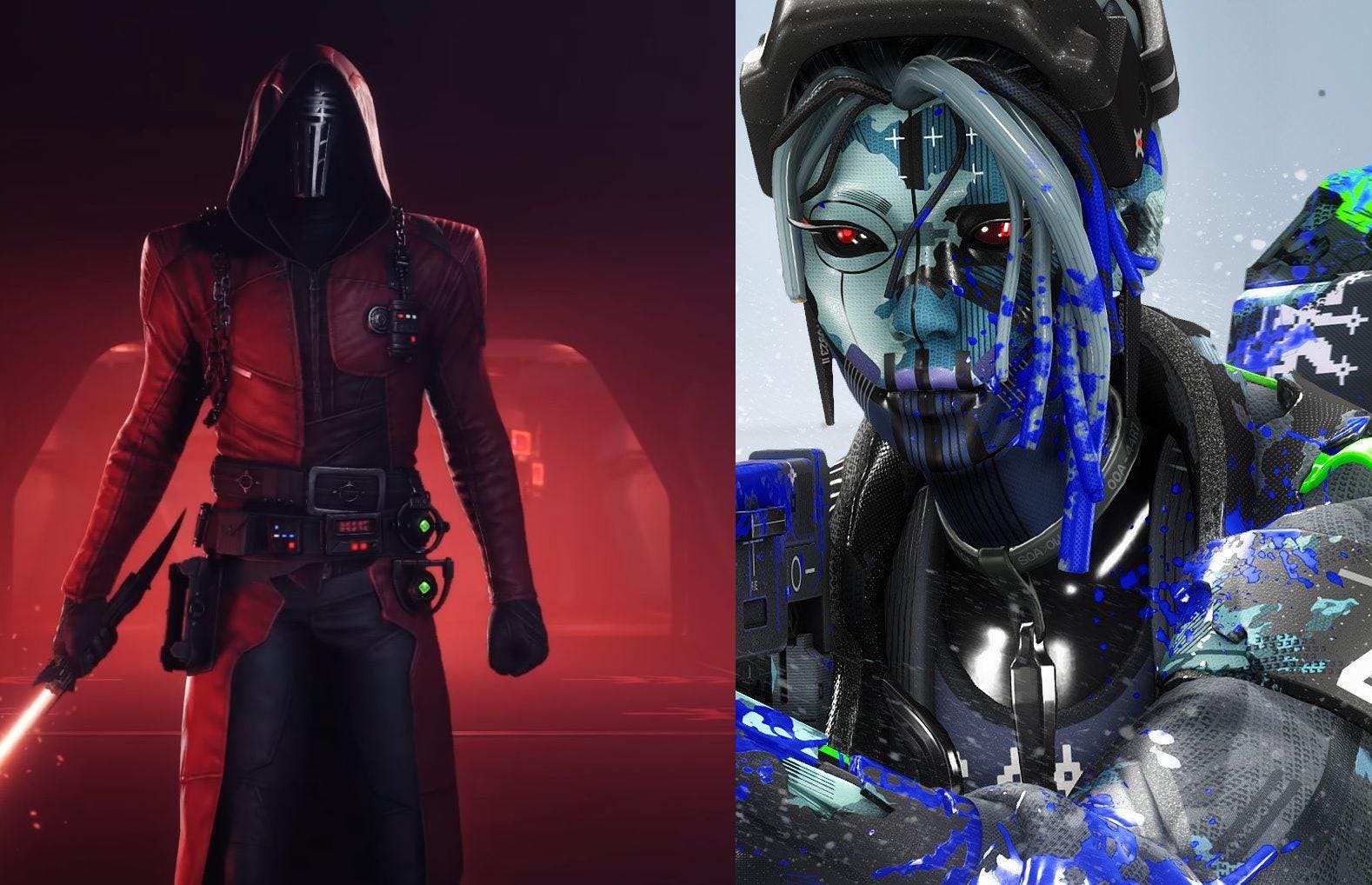
Bungie’s abrupt end to Destiny 2 has ignited a community civil war, pitting loyalists against its replacement, Marathon, as players grapple with the emotional and financial fallout of a franchise’s sunset after 11 years. The conflict escalated this week as streamer Aztecross vowed to boycott Marathon, while Bungie confirmed no Destiny 3 is in production—despite a 220,000-signature petition demanding one. The studio’s pivot to Marathon, a costly $250 million extraction shooter, has left Destiny 2 fans furious, with some accusing Sony of prioritizing a flawed experiment over a proven success.
Why Destiny 2’s Death Sentence Sparked a Backlash
Bungie’s May 27 announcement that Destiny 2 would receive its final update on June 9—marking the end of nine years of live-service content—sent shockwaves through a community that had weathered expansions, controversies, and even a 2024 expansion (*The Final Shape*) that many saw as a valedictory farewell. Yet the real outrage wasn’t just about the end; it was about how Bungie chose to move forward.
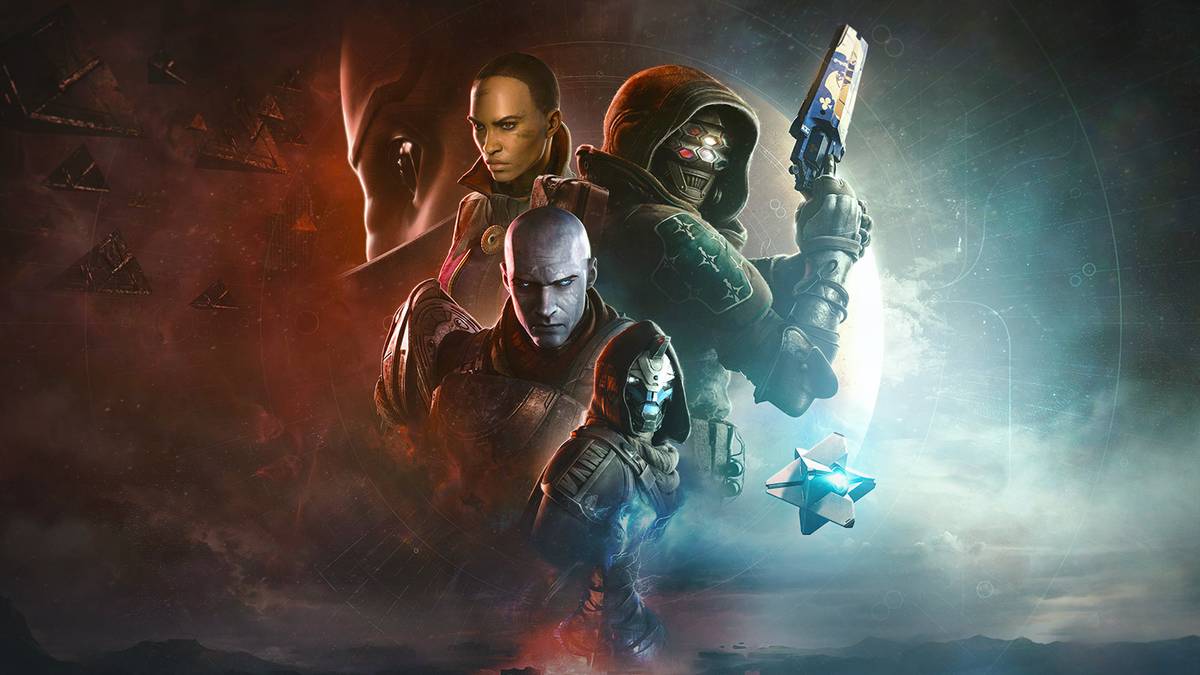
The studio, acquired by Sony in a $3.6 billion deal in 2022, has since reallocated hundreds of employees—including its entire PvP team—to develop *Marathon*, a game that launched in March to strong early sales but has since struggled to retain players. According to reporting from Forbes, this shift left *Destiny 2*’s competitive modes in tatters, even as the game remained more popular than *Marathon* just three months after its release.
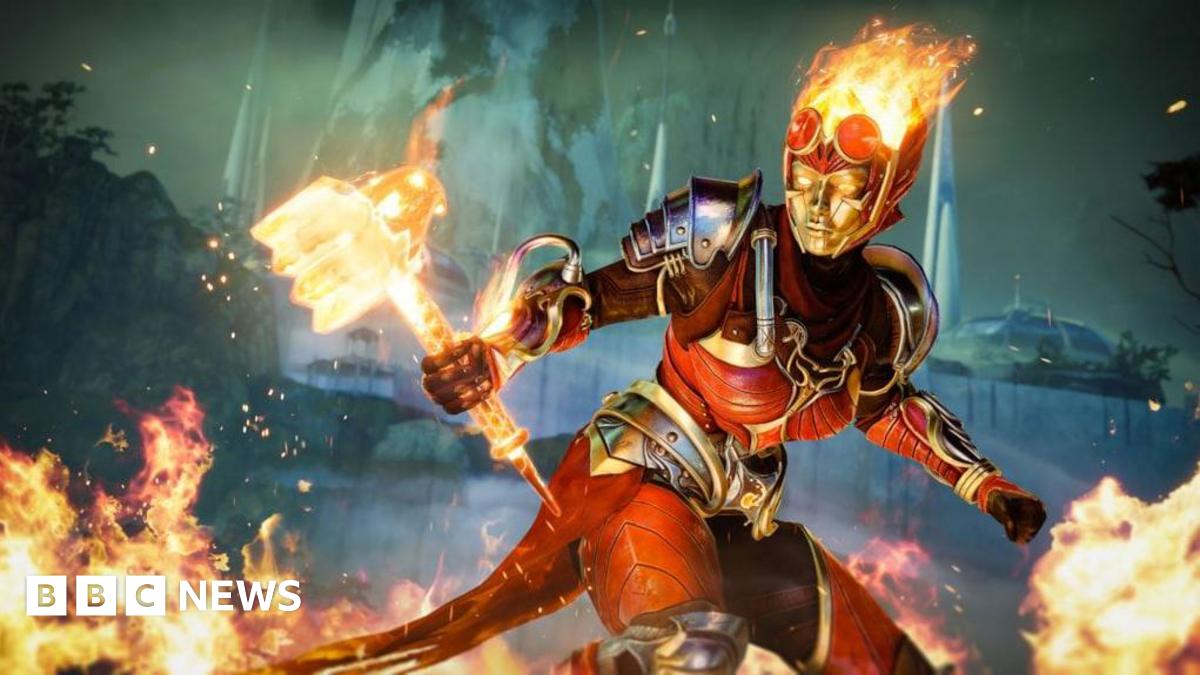
The frustration boiled over when Aztecross, the game’s most influential creator, posted a video declaring he would no longer play *Marathon*—and might even reject Sony sponsorships as a protest. His stance reflects a broader sentiment: Why invest in a game that’s failing when the original could still thrive? The answer, according to insiders, is money. *Marathon*’s development reportedly cost at least $250 million, and Sony has reportedly balked at greenlighting *Destiny 3* due to its projected budget. Meanwhile, *Marathon*’s extraction-shooter mechanics—a genre shift from *Destiny*’s loot-driven PvE—have alienated core fans.
Key Stat: *Destiny 2* saw a 46% jump in Steam players in the past week, suggesting a last-minute rush to play before the final update. Yet console numbers—where the majority of players reside—remain private, leaving the full scale of the exodus unclear.
The Marathon Dilemma: A $250 Million Gamble That’s Backfiring
*Marathon* was supposed to be Bungie’s next big thing—a spiritual successor that refined *Destiny*’s formula while appealing to a broader audience. Instead, it’s become a lightning rod for the studio’s missteps. The game’s extraction mechanics, which prioritize survival over loot, have frustrated players accustomed to *Destiny*’s high-risk, high-reward raids and strikes. As one fan told the BBC, “It’s been my entire adult life… 99% of my friends have come from this experience. It’s only been this. It’s been nothing else.”
The backlash isn’t just emotional—it’s financial. *Marathon*’s underperformance comes as Bungie faces internal pressure. Reports from Polygon cite Bloomberg’s Jason Schreier confirming that *Destiny 3* is not in active production, despite fan petitions and industry speculation. The studio is instead “incubating our next games,” per Bungie’s official statement, though no details have emerged.
For Sony, the stakes are high. The *Halo* franchise, once its crown jewel, has seen declining sales, and *Destiny* was supposed to be the next pillar. But with *Marathon* failing to gain traction and *Destiny 2*’s end looming, the company now faces a choice: double down on a risky new IP or admit that its $3.6 billion acquisition of Bungie may have been a miscalculation.
“From the deepest part of our hearts, thank you, and we’ll see you in the stars.”
—Bungie, in its farewell post to *Destiny 2*
What Comes Next: Three Possible Futures for Bungie
The next 30 days will be critical.

- Scenario 1: The Quiet Pivot
Bungie continues supporting *Marathon* while quietly shelving *Destiny* entirely. This would satisfy Sony’s financial cautiousness but risk alienating the franchise’s most loyal fans. The studio has already laid off dozens of employees, and further cuts could follow if *Marathon* fails to improve. - Scenario 2: The Destiny 3 Gambit
Despite Sony’s reported hesitation, Bungie greenlights *Destiny 3*—but only if it secures additional funding. This would require convincing Sony that a third game is viable, given the live-service market’s saturation (thanks to *Fortnite*, *Roblox*, and *Warframe*). The challenge? Developing a game that doesn’t feel like a cash grab. - Scenario 3: The Marathon Rescue
Bungie radically overhauls *Marathon*, either by adding *Destiny*-like loot systems or pivoting to a new genre. This would be a Hail Mary play, but if successful, it could save the franchise—and Bungie’s reputation. The risk? Losing what little remains of *Marathon*’s core audience.
The most immediate test will be *Destiny 2*’s final update, *Monument of Triumph*, arriving June 9. If player numbers spike further, it could pressure Sony to reconsider. But if the exodus continues, the writing will be on the wall: Bungie’s future may no longer belong to *Destiny*.
The Bigger Picture: Why This Matters Beyond Gaming
*Destiny 2*’s end is more than a gaming story—it’s a case study in how live-service games evolve (or fail to). The franchise’s rise mirrored the industry’s shift toward always-on monetization, but its fall highlights the dangers of overhauling a beloved IP without a clear successor.
For players, the emotional toll is undeniable. For Bungie, the lesson is clear: You can’t abandon a community and expect them to cheer for your next experiment. And for Sony, the question looms: Was *Destiny* worth the $3.6 billion price tag, or is it now just another cautionary tale about betting on unproven sequels?
The answer may come sooner than expected. If *Marathon* doesn’t improve by mid-2026, Bungie’s next move could be its last.
Sources: Forbes, BBC, <a href="https://www.polygon.
<!– /wp:paragraph As the backlash intensifies, Bungie’s future hinges on whether Marathon can deliver meaningful innovation—or risk further alienating fans forever.