8
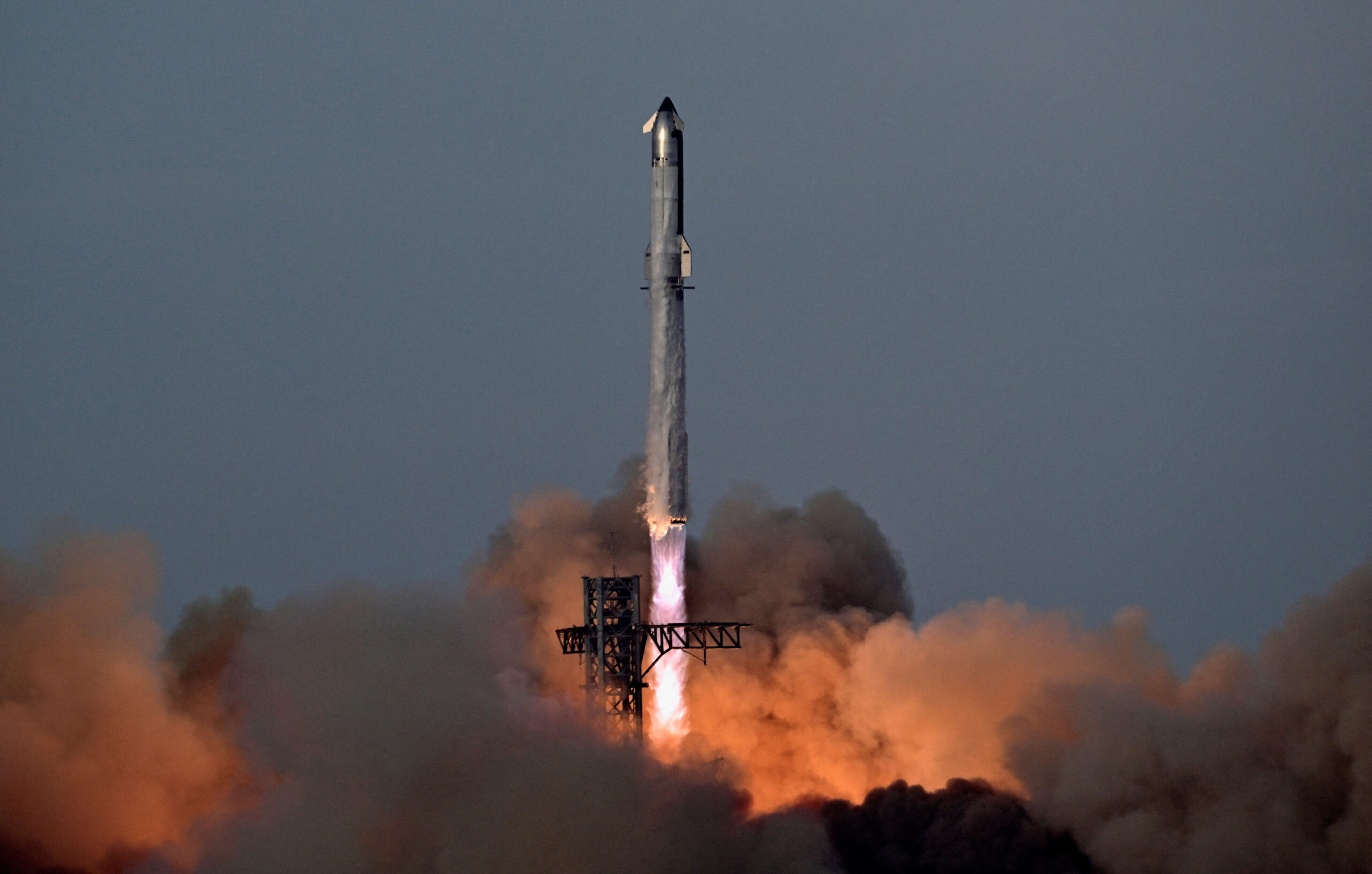
SpaceX successfully launched its 11th full-scale Starship test flight on Monday, October 13, 2025, from Starbase, Texas. The mammoth rocket reached space, performed a series of maneuvering tests, and completed a controlled descent into the Indian Ocean. The mission serves as a critical milestone for NASA’s lunar landing objectives and future Mars exploration.
A Successful Flight Test from Starbase
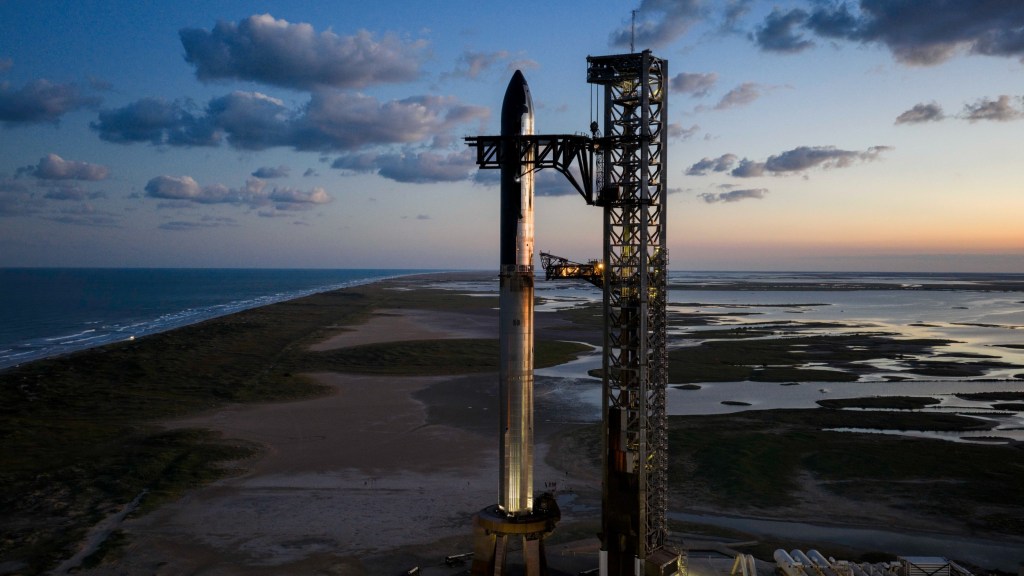
The latest demonstration of the Starship vehicle, the largest and most powerful rocket ever constructed, thundered into the evening sky from the southern tip of Texas. This mission, which lasted just over an hour, saw the massive booster peel away as planned to make a controlled entry into the Gulf of Mexico. The spacecraft itself continued into space, skimming the atmosphere before concluding its journey with a splashdown in the Indian Ocean.
Unlike previous attempts, this flight featured increased maneuvering capabilities for the spacecraft during its entry phase. These tests were designed as critical practice for future operations, specifically aimed at refining the vehicle’s ability to return to the launch site. During the flight, the rocket also deployed eight mock satellites, mirroring the configuration used in previous test runs to simulate SpaceX’s Starlink deployment.
Mission Control and Operational Milestones
The atmosphere at SpaceX’s facilities was notably different during this launch. For the first time, company founder and CEO Elon Musk opted to observe the liftoff from outside of Launch Control, a decision he described as “much more visceral.” Following the successful splashdown, Dan Huot of SpaceX addressed the team, marking the achievement with a celebratory announcement.
Dan Huot, SpaceX
“We have seen nominal performance across all flight stages today, confirming the integrity of our updated thermal protection system and the precision of our engine restart sequences during the coast phase.”
Starship Achieves Key Milestone Dan HuotStarship Achieves Key Milestone Dan Huot
The mission followed a period of intense development for the company. While previous iterations of the Starship program experienced explosive setbacks, the recent flight trajectory reflects a trend toward increased reliability and precision. According to detailed mission profiles maintained by industry trackers, each flight provides essential trajectory data, orbital inclination statistics, and booster performance metrics that inform the design of subsequent test vehicles.
NASA’s Lunar Ambitions and Future Infrastructure
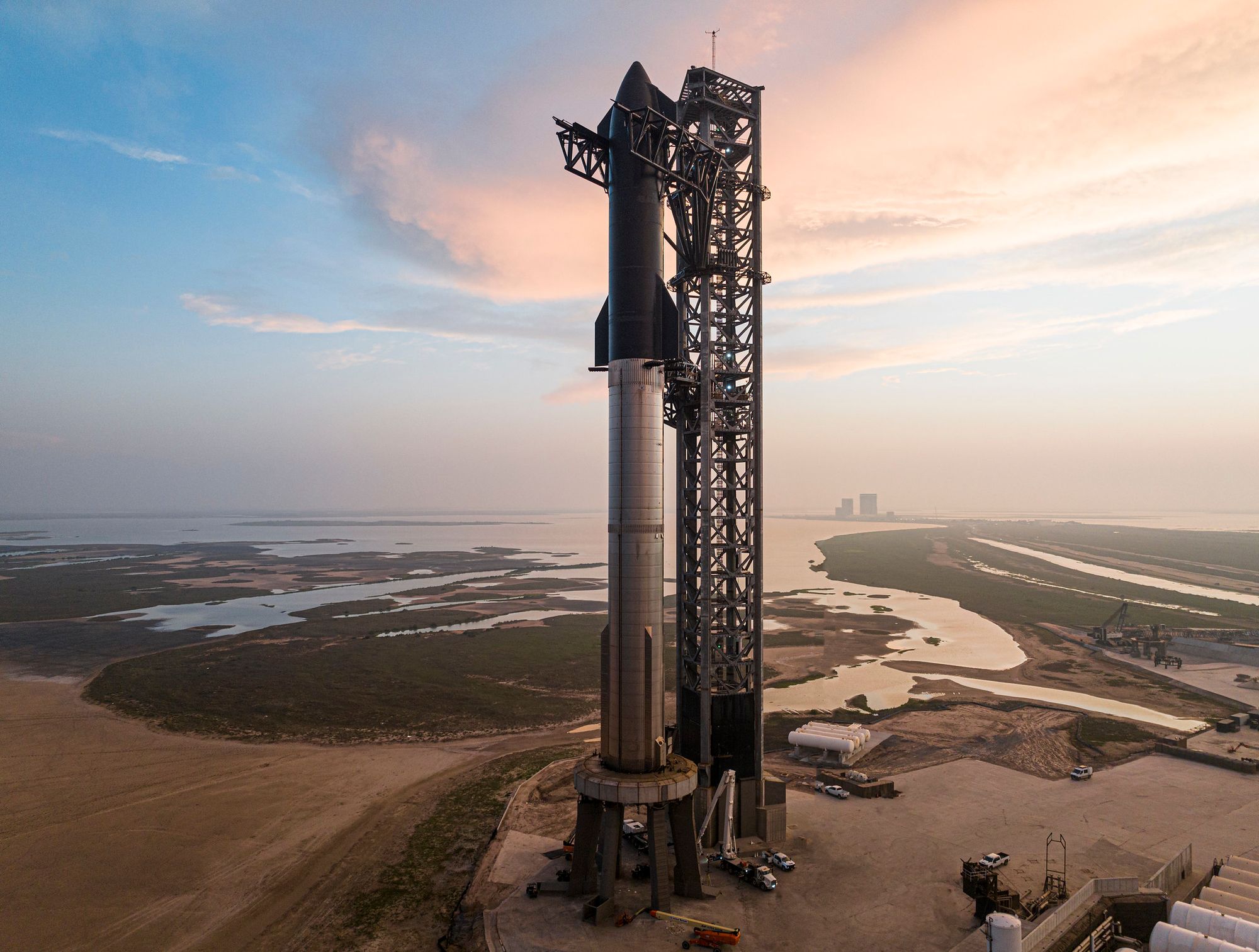
The success of the Starship program is inextricably linked to the immediate requirements of the United States space agency. NASA relies on the 403-foot (123-meter) vehicle to facilitate the transport of astronauts from lunar orbit to the surface of the moon and back. Acting administrator Sean Duffy acknowledged the importance of the mission’s progress via social media, framing the result as a vital step forward for the Artemis program.
Sean Duffy, NASA acting administrator
“The data returned from today’s flight provides the necessary verification for the Human Landing System milestones we require to ensure the safety and success of our upcoming lunar surface missions.”
Blastoff! SpaceX launches Starship on 11th flight test, booster splashes down
To support these high-cadence operational goals, SpaceX is actively modifying its launch infrastructure at Cape Canaveral. These upgrades are intended to accommodate the larger Starship architecture alongside the existing fleet of Falcon rockets that currently provide regular transport services to the International Space Station. The integration of these facilities is currently overseen by project leads tasked with balancing the operational demands of the current Falcon manifest with the specialized ground support equipment necessary for Starship’s heavy-lift requirements.
The Evolution of the Starship V3 Design
cluster (priority): apnews.com
As the company looks toward the next phase of its flight testing, attention has shifted to the debut of the Starship V3 design. This newest iteration is being prepared for upcoming demonstrations, with the company targeting late May 2026 for its next launch window. The V3 design represents the latest attempt by the manufacturer to refine the Starship megarocket for heavy-lift capabilities.
Engineering teams have focused on structural reinforcements for the V3, aiming to increase the payload capacity to low Earth orbit. The modifications involve updated alloy compositions in the propellant tanks and an optimized layout for the Raptor engines to improve thrust-to-weight ratios during the initial ascent phase. These hardware adjustments are intended to address the specific performance bottlenecks identified during the flight data analysis of the October 2025 mission.
With each mission, the focus remains on closing the gap between test-flight performance and the requirements for a fully reusable launch system. While the current hardware has demonstrated consistent success in reaching orbital trajectories and executing complex entry maneuvers, the transition to routine, reliable landings remains the primary objective for the coming year. The company’s flight manifest, which is subject to regulatory review and environmental assessment, continues to prioritize the iterative maturation of the launch vehicle in anticipation of the upcoming V3 demonstration.
Claire Donovan coordinates breaking-news coverage across global time zones. She has reported on elections, social movements, and investigative stories in over ten countries. Known for her calm leadership under pressure, Claire guarantees Globally Pulse delivers news that is fast, factual, and fair.