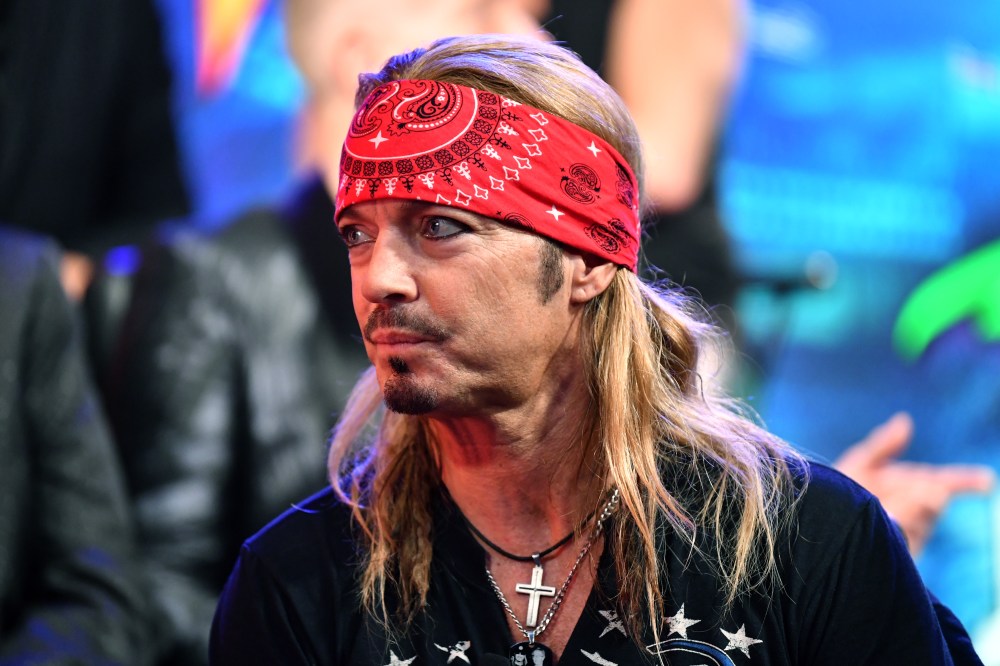
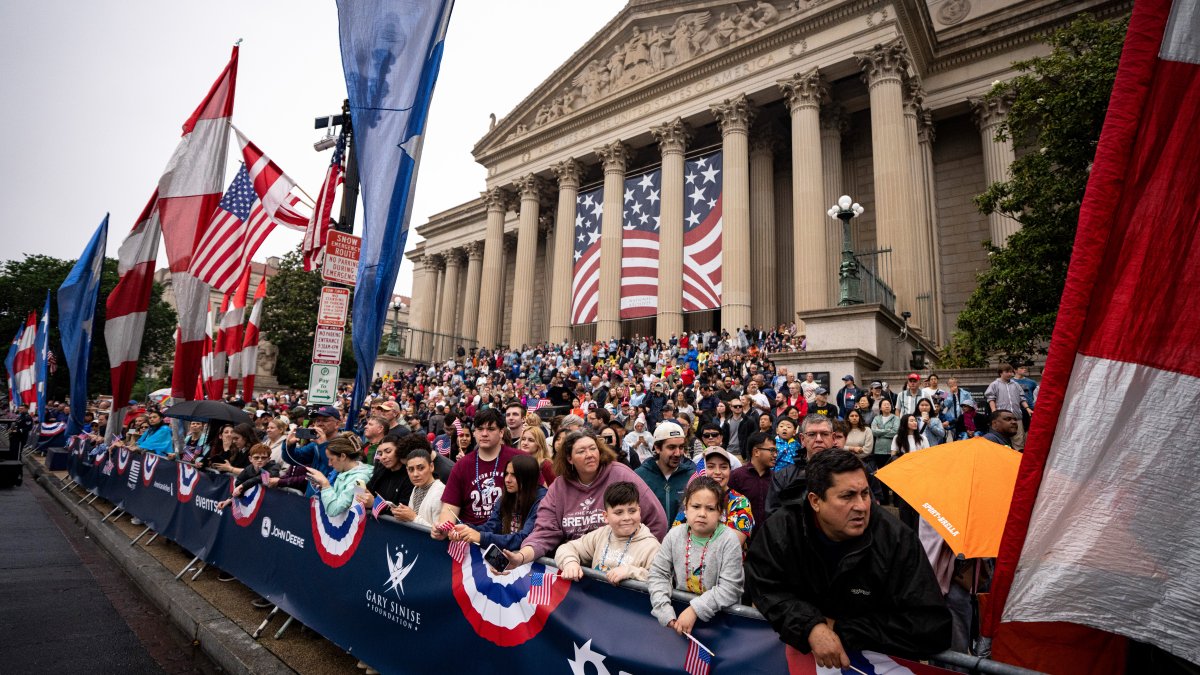
Five of the nine announced performers for the Trump-linked “Great American State Fair” concerts on Washington’s National Mall have canceled their appearances in less than 48 hours, citing political concerns and safety threats. The event, organized by Freedom 250—a nonpartisan group launched by former President Donald Trump—was set to run June 25–July 10, but high-profile acts like Bret Michaels, Martina McBride, and Morris Day have withdrawn after accusing organizers of misleading them about the event’s neutrality.
Why the Cancellations Matter: A Timeline of Backlash
Freedom 250 announced its initial lineup on Wednesday, including artists like Young MC, the Commodores, and Milli Vanilli’s Fab Morvan. By Thursday, half of those acts had pulled out. The cancellations follow a pattern: artists who initially agreed to perform under the assumption the event was nonpartisan later expressed shock at its political ties. According to the AP, Martina McBride, who was scheduled for June 25, posted on Instagram that she had been “assured this was a nonpartisan event” but later realized otherwise. “Yesterday things started changing and what we were told is, in fact, not what is happening,” she wrote.
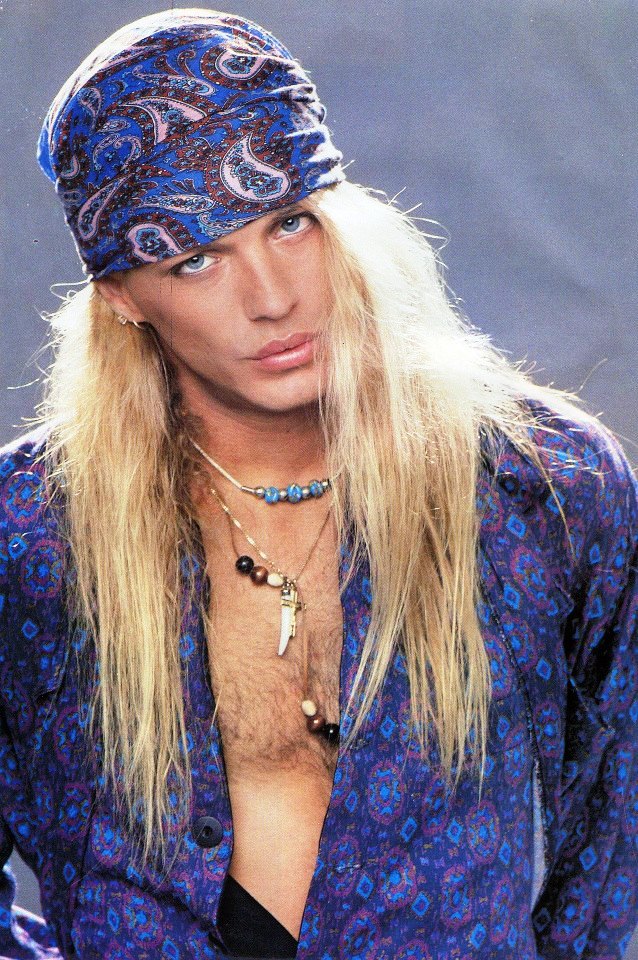
The backlash intensified when Bret Michaels, the Poison frontman, issued a statement Friday calling the event “divisive” and citing “threats that are completely unfounded and unforgivable.” His departure left only two of the original nine acts still committed: Vanilla Ice and Morvan, who insisted he was “here to entertain and unite people, not divide them.” The Commodores also withdrew, releasing a statement that they “chose not to publicly affiliate with any single political party.”
Freedom 250, led by Keith Krach—a former Trump State Department official—has yet to respond to requests for comment. The organization describes itself as a “national, non-partisan organization leading the celebration of our Nation’s 250th birthday,” but its ties to Trump have drawn scrutiny. As Variety noted, the event’s divisiveness was evident even in Michaels’ social media comments, where fans interpreted his message differently based on their own political leanings.
Who’s Left on the Bill—and What It Means for the Event
As of Friday, only three acts remain confirmed: Vanilla Ice, Fab Morvan (performing as Milli Vanilli), and Flo Rida, whose representative did not respond to requests for comment. Vanilla Ice’s camp emphasized inclusivity, with a spokesperson telling the AP that the rapper was “proud to help celebrate America’s 250th Anniversary!” Morvan, meanwhile, doubled down on his message of unity, stating, “Let’s celebrate life & music and take a trip down memory lane.”
The cancellations raise questions about the event’s viability. With half the announced acts gone, organizers may struggle to fill gaps without further alienating artists. The Commodores’ withdrawal, in particular, signals broader industry pushback: the group’s statement reflects a growing reluctance among musicians to associate with politically charged events, even if they’re framed as patriotic.
For more on this story, see Half of America’s 250th anniversary concert lineup drops over Trump ties.
The Political Undercurrent: Why Artists Are Walking Away
The cancellations aren’t just about music—they’re about perception. Many artists who initially agreed to perform did so under the assumption that Freedom 250 was a straightforward celebration of American history. But as NBC4 Washington reported, the event’s ties to Trump have made it a lightning rod for controversy. Young MC, who was scheduled for the “I Love the ’90s” show on June 26, questioned the event’s neutrality in an Instagram post: “The artists were never told about any political involvement with the event.”
Morvan’s insistence on neutrality contrasts sharply with the backlash from other performers. His statement—“I am here to entertain and unite people, not divide them”—echoes a common refrain among artists who want to stay out of political debates. Yet his presence alongside Trump-linked organizers risks overshadowing that message. The Grammy-winning Milli Vanilli frontman, who owns the band’s name, has tried to distance himself from the controversy, but his participation in an event tied to Trump’s political machinery may not be enough to reassure critics.
The threat of political backlash isn’t new for Trump-aligned events. In 2024, artists like Celine Dion and Elton John refused to let their music be played at Trump rallies, citing concerns over association. This time, the issue is more direct: performers are being asked to take the stage at an event with clear Trump ties. For some, like Michaels, the decision wasn’t just about politics—it was about safety. His statement highlighted “unfounded threats,” suggesting that the environment around the event had become hostile.
What Happens Next: Can Freedom 250 Recover?
Freedom 250’s future hinges on whether organizers can secure replacements—or if the cancellations signal a broader boycott. The event’s remaining lineup is thin: Vanilla Ice and Morvan are unlikely to draw the same crowds as Michaels or McBride. Flo Rida’s silence adds to the uncertainty. If more artists pull out, the “Great American State Fair” could become a symbol of political polarization rather than unity.
For now, the focus is on damage control. Freedom 250 has not addressed the cancellations directly, but its spokesperson, Rachel Reisner, told The New York Times that the group remains “focused on our signature celebrations and events that honor our history and engage all Americans.” Whether that rhetoric holds up under further scrutiny remains to be seen.
The cancellations also raise questions about the event’s original purpose. Freedom 250 was launched as a nonpartisan celebration of America’s 250th anniversary, but its Trump ties have made neutrality difficult to maintain. As Michaels’ statement suggested, the event has “evolved into something much more divisive” than initially presented. For artists, the risk of being seen as endorsing a political agenda may outweigh the benefits of performing.
What’s clear is that the backlash has already reshaped the event. With half the lineup gone, Freedom 250 faces a critical juncture: double down on its political messaging or pivot to a more inclusive, apolitical approach. Given the cancellations, the latter may be the only way to salvage the festival.
A Look Back: How This Compares to Past Political Boycotts
The cancellations at Freedom 250 mirror past instances where artists have withdrawn from politically charged events. In 2017, musicians like Bruce Springsteen and Pearl Jam canceled concerts in North Carolina after the state passed a controversial bathroom bill. Similarly, in 2020, artists boycotted events tied to the Trump administration over concerns about racial justice and political messaging.
What makes this situation unique is the speed of the backlash. Within 48 hours, five major acts pulled out, suggesting that the political stakes were clear from the start. Unlike past boycotts, which often unfolded over weeks or months, this cancellation wave happened in real time, forcing Freedom 250 to react on the fly.
The event’s organizers may argue that the cancellations are an overreaction, but the artists’ statements paint a different picture. For many, the issue isn’t just about politics—it’s about integrity. Performing at an event tied to Trump, even if framed as patriotic, risks alienating fans and peers who see it as a partisan move. In an era where artists are increasingly scrutinized for their public associations, the Freedom 250 cancellations serve as a cautionary tale about the dangers of political entanglement.
As the event inches closer to its June 25 start date, all eyes will be on Freedom 250’s next steps. Can they find replacements? Will more artists drop out? And most importantly, will the festival survive its own controversy?
