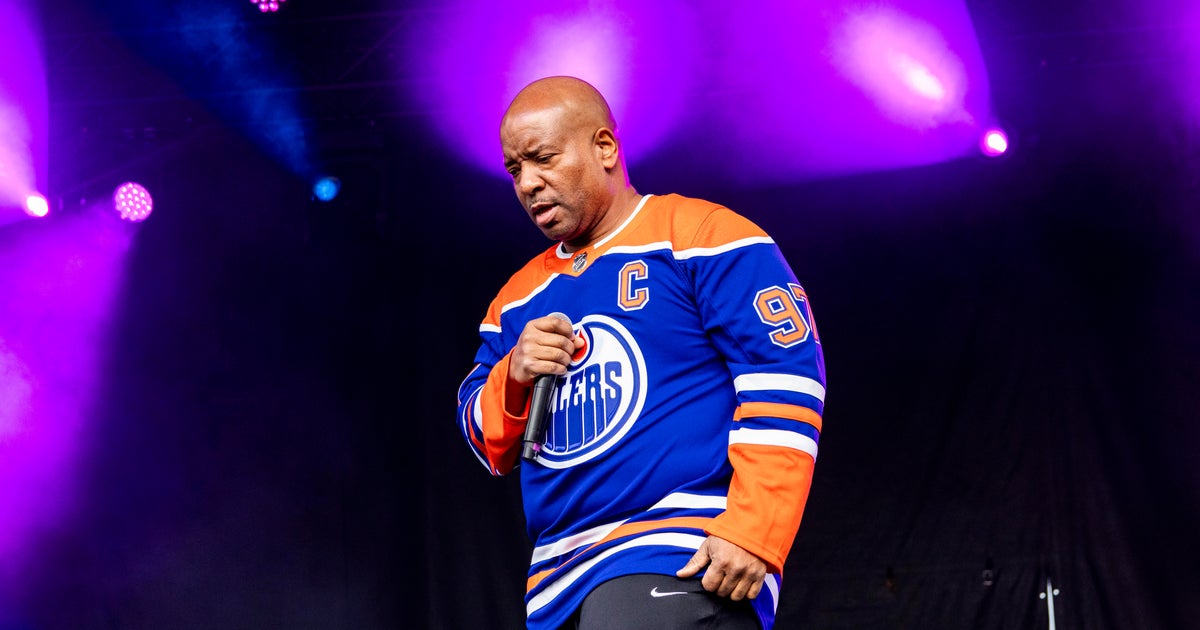
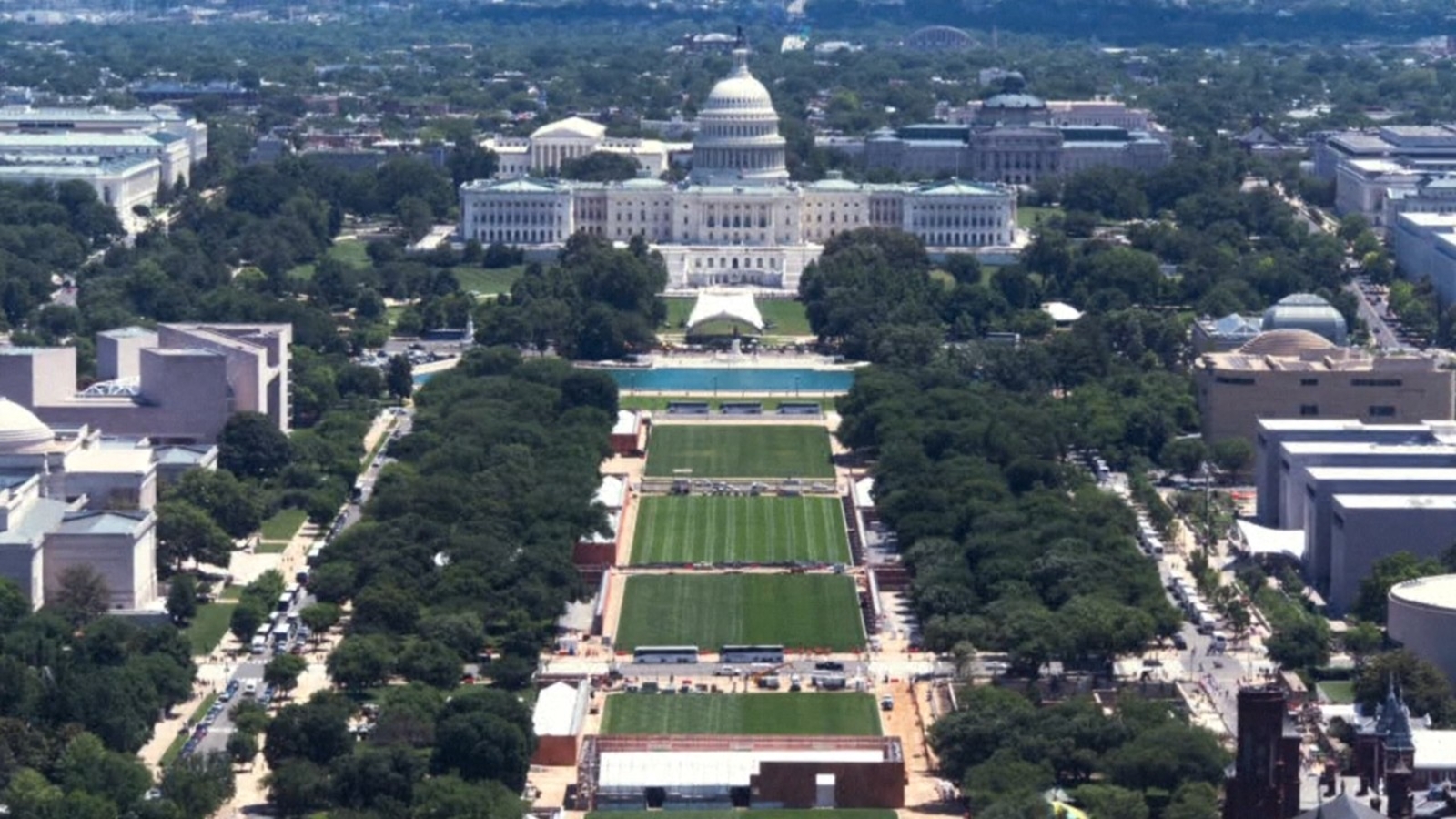
Within 48 hours of announcing a lineup for the Great American State Fair—a series of concerts marking America’s 250th anniversary on Washington’s National Mall—half of the scheduled performers had pulled out, citing concerns over the event’s political ties to Donald Trump. By Friday morning, Morris Day, Young MC, the Commodores, Martina McBride, and Bret Michaels had all withdrawn, leaving only Vanilla Ice, Milli Vanilli’s Fab Morvan, and an uncertain C+C Music Factory appearance. The cancellations exposed a growing divide between artists and the Trump-affiliated Freedom 250 organization, which organizers insist remains nonpartisan despite mounting evidence to the contrary.
Who’s Out—and Why It Matters
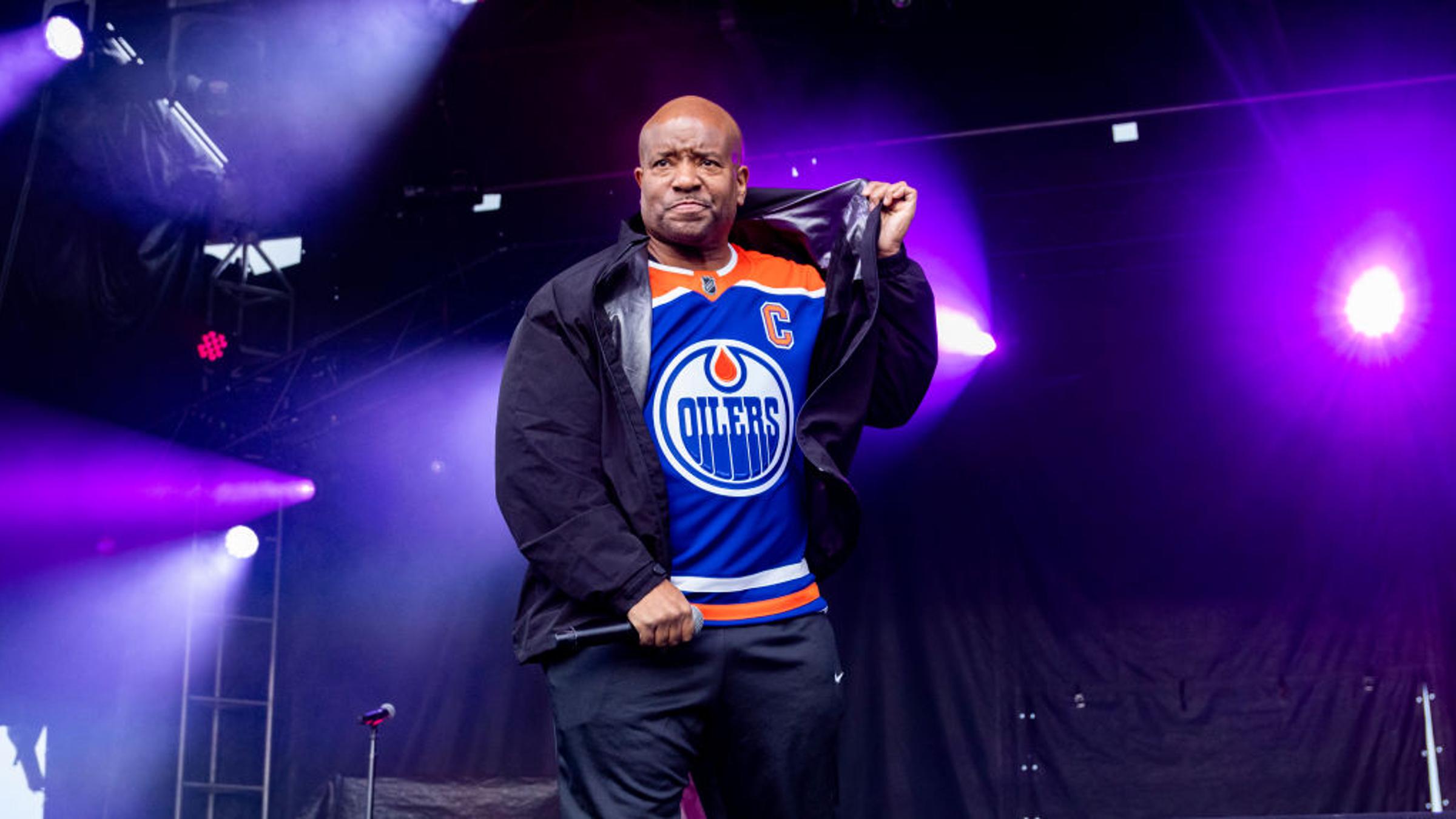
The exodus began almost immediately after Freedom 250’s Wednesday announcement of its initial lineup. Morris Day of Morris Day & The Time was the first to respond, posting on Facebook: “It’s A No For Me.” His decision set off a chain reaction. Young MC, whose agents declared he “will not be performing at the Freedom 250 event,” framed the withdrawal as a rejection of the event’s political undertones. “The artists were never told about any political involvement with the event,” he wrote. “Despite the claims by the organizers that the event is non-partisan, SPIN magazine describes it as Trump-backed.”
Martina McBride, whose country music career has long centered on themes of unity, echoed the sentiment. She had initially agreed to perform after being assured the event was nonpartisan—only to later discover “what was presented to us as a celebration of our country has evolved into something much more divisive,” she wrote. “I asked lots of questions and was assured this was a nonpartisan event that was meant to celebrate ALL 50 states. Yesterday things started changing and what we were told is, in fact, not what is happening.”
Bret Michaels of Poison added a layer of urgency, citing safety concerns. “Concerns have also been raised regarding the safety of my fans, band, crew, family and myself, including threats that are completely unfounded and unforgivable,” he stated. “This isn’t about politics. It’s about staying true to what I’ve always believed in.” His withdrawal followed a wave of online threats, which organizers have not publicly addressed.
The Remaining Lineup—and What It Reveals
Of the nine acts initially announced, only two have confirmed their participation: Vanilla Ice and Fab Morvan, the surviving half of the disgraced 1980s duo Milli Vanilli. Morvan, who now performs solo under the name, doubled down on the event’s celebratory tone, stating: “I am here to entertain and unite people, not divide them. Let’s celebrate life & music and take a trip down memory lane.” His decision contrasts sharply with the other withdrawals, raising questions about whether his acceptance stems from a genuine belief in the event’s mission or a calculated business move.
C+C Music Factory’s Freedom Williams initially pulled out but later reversed course in an 8-minute Instagram rant, declaring, “I might do the motherf—— show.” The flip-flop underscores the chaos surrounding the event, where even committed performers are second-guessing their involvement. Meanwhile, Flo Rida remains silent, adding to the uncertainty.
Freedom 250’s Nonpartisan Claim Under Scrutiny
The cancellations have forced Freedom 250 into a defensive stance. The organization, founded by Trump and led by former Trump administration official Keith Krach, insists it is “a national, non-partisan organization leading the celebration of our Nation’s 250th birthday.” Yet the rapid exodus of artists—many of whom cited political associations—contradicts that narrative. SPIN magazine’s characterization of the event as “Trump-backed” has gone viral, further eroding public trust.
This isn’t the first time Trump has faced backlash from the music industry. In 2024, artists like Celine Dion and Elton John publicly objected to their songs being used at his rallies. The pattern suggests a broader reluctance among performers to align with an event tied to a figure whose political rhetoric has long polarized audiences. For artists like McBride and Michaels, whose careers depend on broad appeal, the risk of alienating half their fanbase may outweigh the financial incentive.
What Comes Next: A Damaged Legacy or a Revived Mission?
The Great American State Fair is scheduled to run from June 25 to July 10, but its future now hangs in the balance. With half the announced acts gone, organizers face a critical question: Can they rebrand the event as truly nonpartisan, or will the cancellations become a permanent stain on its legacy?

One possibility is that Freedom 250 will pivot to a more inclusive lineup, replacing the withdrawn artists with names less politically polarizing. But given the tight timeline—less than two months until the first show—the logistics of securing new acts could prove daunting. Alternatively, the event might proceed with a skeleton crew, risking accusations of being a thinly veiled Trump rally.
For the artists who pulled out, the decision reflects a broader trend: musicians increasingly prioritizing neutrality—or outright opposition—to political events, even those framed as patriotic. As Young MC put it, he hopes to perform in D.C. “at an event that is not so politically charged.” The message is clear: if artists are to be part of a national celebration, they want it to feel like one for all Americans, not just one side.
The fallout from these cancellations extends beyond the concert series. It exposes a deeper fracture in how artists engage—or disengage—with political events. In an era where cultural figures are scrutinized for every public appearance, the Freedom 250 debacle serves as a cautionary tale: even a well-intentioned celebration can become a minefield when politics and entertainment collide.
As the countdown to June 25 begins, one thing is certain: the Great American State Fair will no longer look—or sound—the same.
