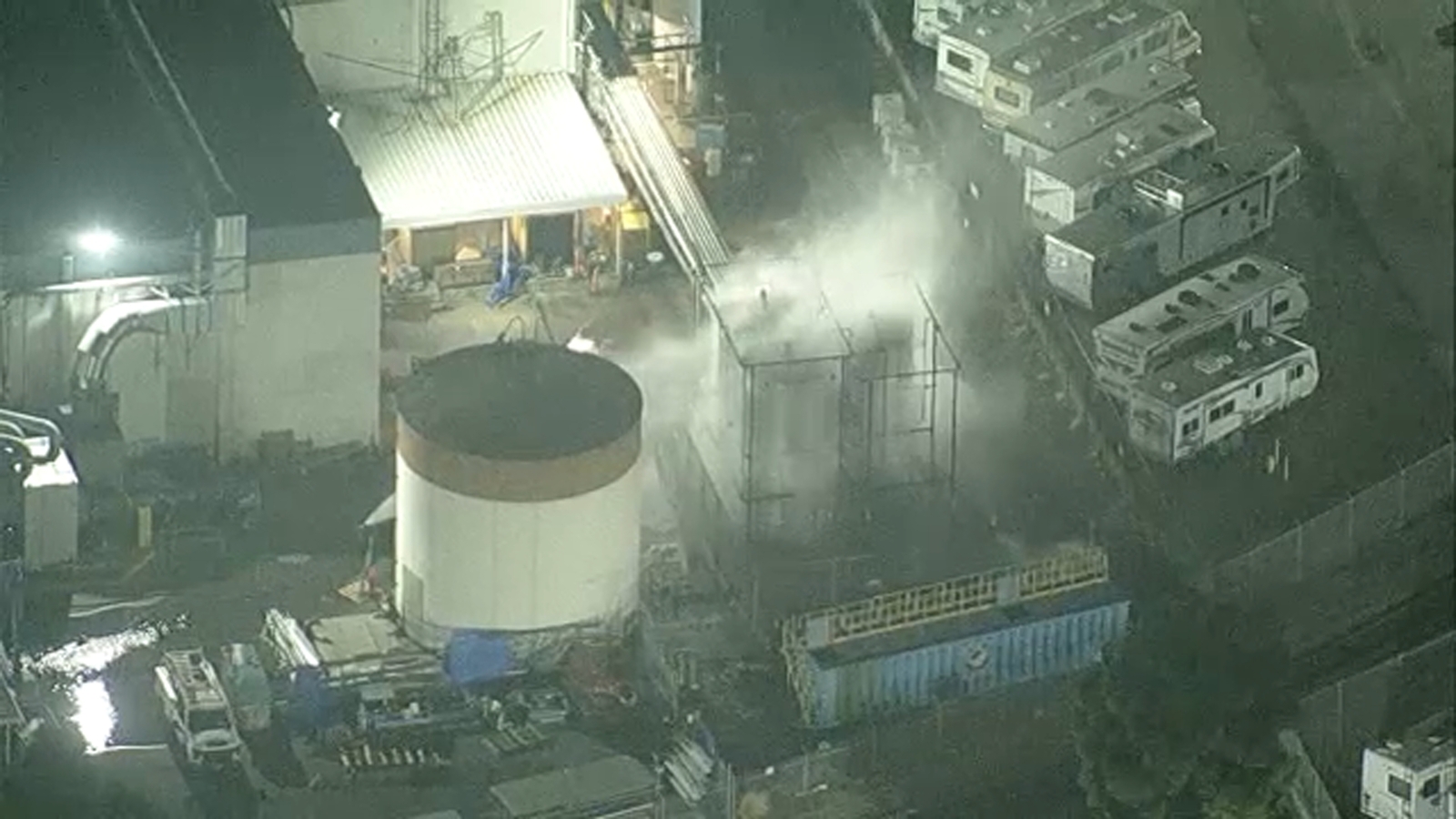
A toxic chemical tank at the GKN Aerospace facility in Garden Grove, California, is now in a “crisis situation” with officials warning it could either spill 7,000 gallons of methyl methacrylate (MMA) onto the ground or explode, forcing evacuations of up to 40,000 residents across multiple cities. The evacuation zone, spanning several blocks and including parts of West Anaheim and Cypress, remains in effect as of Saturday, May 23, 2026, with emergency centers open at local sports and community facilities. The company, which manufactures critical aircraft components like the F-35 canopy, has been coordinating with fire crews and hazardous materials teams since Thursday, when rising temperatures in the tank first triggered alarms.
What’s Inside the Tank—and Why Officials Are Racing Against Time
The tank at the heart of the crisis contains methyl methacrylate (MMA), a highly toxic chemical used in plastics manufacturing. According to the Orange County Fire Authority, the tank—one of three at the GKN Aerospace site—has been experiencing rising temperatures since Thursday, May 22, leading to temporary evacuations. By Friday afternoon, officials had escalated the alert, describing the situation as a “crisis” with two potential outcomes: either the tank fails structurally and leaks its contents onto the ground, or it explodes. Craig Covey, division chief of the Orange County Fire Authority and incident commander, outlined the stakes during a news conference: “One, it fails and cracks, and all the product leaks out onto the ground.” Efforts are underway to prevent the chemical from reaching storm drains and waterways, but the window for intervention is narrowing.

GKN Aerospace, which operates the 15.5-acre facility in Garden Grove, confirmed that no injuries have been reported so far. In a statement to reporters, a company spokesperson emphasized safety as the top priority: “The situation at our Garden Grove site remains ongoing, and we are fully focused on working with emergency services and the relevant authorities to ensure the safety of our employees and the local community.” The facility, which has been operational since 2004, produces components for military and commercial aircraft, including canopies for the F-35 and transparencies for Boeing and Airbus models. The potential release of MMA—a chemical linked to respiratory and neurological risks—has prompted officials to urge residents to stay clear of the evacuation zone, which spans north of Trask Avenue, south of Ball Road, east of Valley View Street, and west of Dale Street.
Evacuations and Emergency Response: A Logistical Nightmare
The evacuation order, affecting an estimated 40,000 residents, is one of the largest in Orange County’s recent history. Authorities have established three emergency centers to assist displaced residents: the Garden Grove Sports and Recreation Center, the Cypress Recreation and Community Center, and, as of Friday afternoon, Savannah High School in Anaheim. The Garden Grove Police Department has been conducting reverse 911 calls and door-to-door notifications, though officials report a 15% refusal rate among residents, raising concerns about compliance. The Orange County Fire Authority has also asked the public to avoid calling emergency lines with non-essential suggestions, redirecting all inquiries to a dedicated 24-hour hotline at 714-741-5444.

The evacuation zone’s proximity to major infrastructure—including the 22 Freeway, which remains open—has added complexity to the response. California law classifies the order as an “immediate threat to life,” meaning affected areas are legally closed to the public. Meanwhile, state and federal agencies have mobilized: Governor Gavin Newsom’s office confirmed he had been briefed on the leak, and Rep. Derek Tran (D-Westminster) stated his office was “in close contact with local police, fire, and emergency response officials.” Tran also noted coordination with FEMA and the EPA, urging residents to follow local guidance until further notice. The involvement of federal disaster relief agencies suggests this could escalate into a regional crisis requiring sustained resources.
For more on this story, see GKN Aerospace Plant Teeters on Brink of Explosion in California.
The Human Cost: Who’s Affected and Why Compliance Is Critical
Beyond the immediate danger to residents, the evacuation has disrupted daily life for thousands. Schools, businesses, and transportation routes in Garden Grove, Cypress, and West Anaheim are all impacted. The Orange County Register noted that while the evacuation area extends slightly south of the 22 Freeway, the highway itself remains operational—a rare bright spot in an otherwise tense situation. The refusal rate among residents, though relatively low, underscores the challenges of emergency compliance, particularly in areas where trust in authorities may be fragile. For families with young children, elderly relatives, or pets, the evacuation has been especially stressful, with officials emphasizing that the chemical’s volatility demands adherence to the orders.

Local leaders are also grappling with the long-term implications. The evacuation centers, though equipped to handle basic needs, may struggle with the sheer volume of displaced individuals. Food, water, and medical supplies are being distributed, but the strain on resources is already visible. Meanwhile, the psychological toll on residents—many of whom may have experienced similar evacuations in recent years due to wildfires or other disasters—cannot be understated. The prolonged uncertainty about when they can return home adds another layer of stress.
What Comes Next: The Race to Stabilize the Tank
As of Saturday, May 23, emergency responders are exploring “out of the box” solutions to stabilize the tank, according to Covey. The Orange County Fire Authority has assembled specialized hazardous materials teams to assess the situation, but the clock is ticking. If the tank fails, the chemical could seep into local waterways, posing risks to ecosystems and public health. If it explodes, the blast radius could extend beyond the immediate evacuation zone, potentially affecting broader areas. Officials have not ruled out the possibility of a controlled release to mitigate the risk, though such measures carry their own hazards.
GKN Aerospace has faced scrutiny over its safety protocols in the past. Public records show the company’s Garden Grove facility has undergone four OSHA inspections since 2018, resulting in 10 violations, though details on the nature of these violations remain unclear. While the company has not been accused of negligence in this incident, the inspections raise questions about whether additional safeguards could have prevented the current crisis. For now, the focus remains on containment and coordination between local, state, and federal agencies.
The next 72 hours will be critical. If the tank can be stabilized, evacuations may be lifted gradually. If not, officials may expand the evacuation zone or implement more drastic measures, such as a full shutdown of the facility. Residents are being urged to monitor updates from local authorities, avoid the affected areas, and prepare for the possibility of extended displacement. The situation serves as a stark reminder of the vulnerabilities in industrial safety—and the high stakes when a single tank failure can disrupt an entire community.
Why This Matters: The Broader Implications of Industrial Chemical Risks
This incident in Garden Grove is not an isolated event. Across the U.S., industrial chemical leaks and tank failures have become increasingly common, often tied to aging infrastructure, regulatory gaps, or corporate cost-cutting measures. The MMA leak highlights the risks inherent in manufacturing facilities, particularly those handling volatile substances. While GKN Aerospace has not been publicly linked to prior incidents of this scale, the company’s history of OSHA violations suggests a pattern of regulatory oversight that may warrant further investigation. For residents living near industrial zones, the crisis underscores the need for stronger community preparedness and transparency from corporations about potential hazards.
On a larger scale, the response to this crisis will test the coordination between local, state, and federal agencies. The involvement of FEMA and the EPA signals that this could become a model—or a cautionary tale—for how such emergencies are managed in the future. If the tank is successfully stabilized without catastrophic consequences, it may set a precedent for rapid-response protocols. If not, it could expose gaps in emergency planning that demand immediate attention. Either way, the residents of Garden Grove will be watching closely—and so will communities across the country with similar industrial risks.
For now, the message from officials is clear: Stay out of the evacuation zone. Follow the guidance of emergency responders. And brace for the possibility that this situation may not resolve quickly. The stakes could not be higher.
