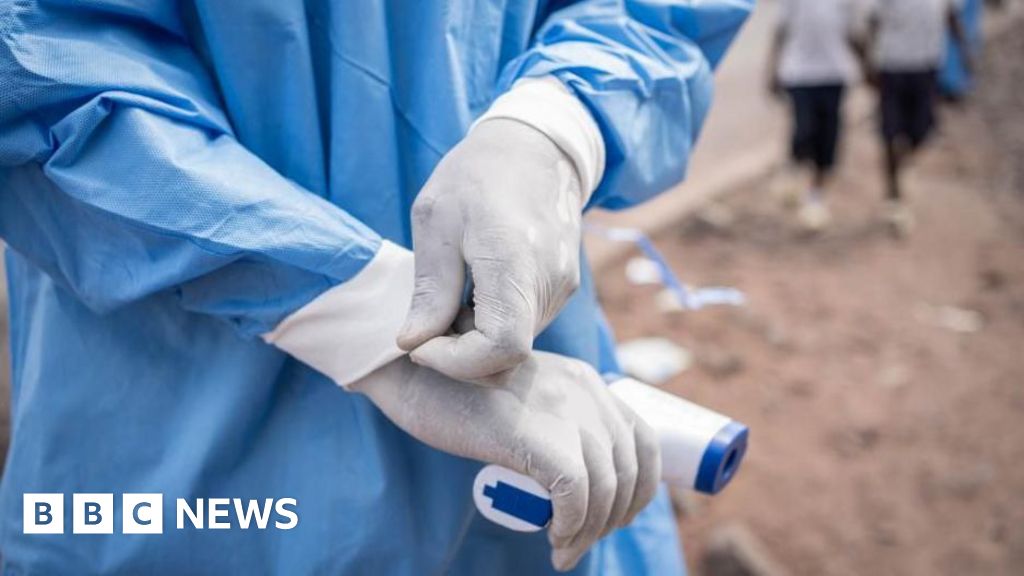
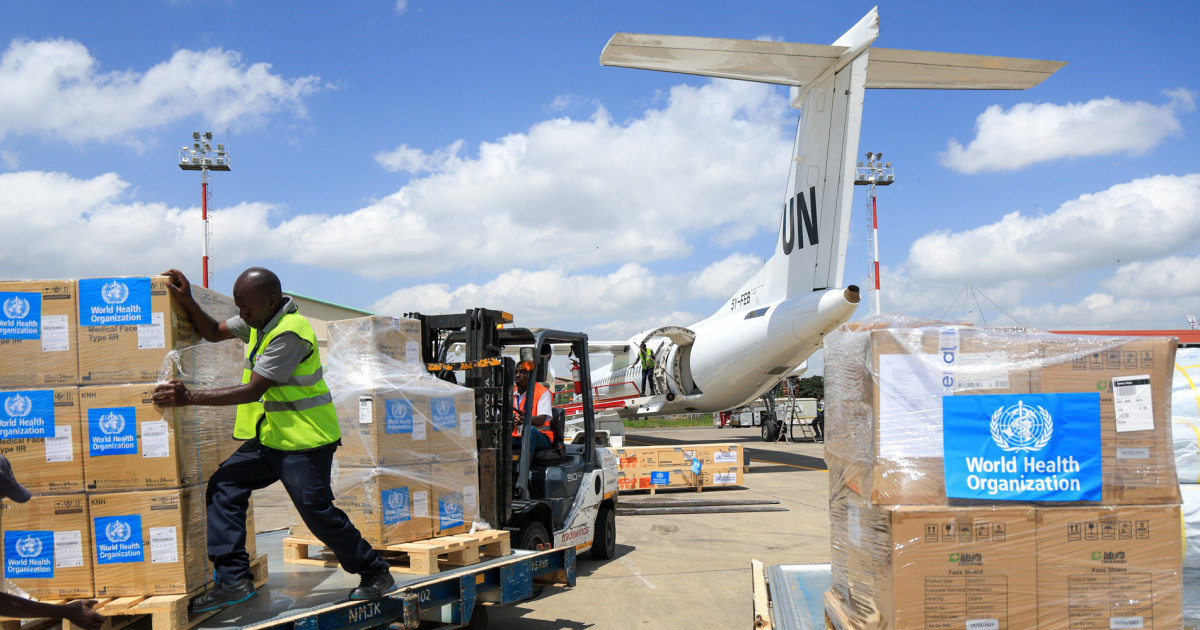
A Kenyan court on Friday suspended the U.S. plan to open an Ebola quarantine facility in Nairobi, blocking the government from approving or permitting any U.S.-tied Ebola-related center in the country. The ruling follows a legal challenge by medical unions and activists warning that Kenya lacks the high-containment infrastructure to safely handle the virus, which has already spread to neighboring Uganda.
Why the Facility Was Blocked: A Legal and Medical Backlash
The High Court’s order came after the BBC reported that the court explicitly restrained government agencies from “establishing, operationalising, facilitating, approving or permitting” any Ebola-related quarantine or treatment center tied to U.S. arrangements. The decision stems from petitions filed by the Katiba Institute, a constitutional watchdog, and the Kenya Law Society, which argued that the facility posed “serious health risks” to Kenyans and violated public participation rules. The court will hear further arguments on Tuesday.
The U.S. had planned to send Americans exposed to Ebola—specifically the rare Bundibugyo strain currently spreading in the Democratic Republic of Congo—to a 50-bed quarantine facility at Kenya’s Laikipia Air Base, with plans to expand it for isolation and biocontainment. But as KCRA reported, the Kenyan government never publicly confirmed the facility’s location or details, despite U.S. officials announcing the plan as early as Wednesday. The U.S. had committed $13.5 million to Kenya’s Ebola preparedness efforts, with Secretary of State Marco Rubio stating the funds were for “support,” though the facility’s existence was never disclosed to the Kenyan public.
The backlash was immediate. The Kenyan doctors’ union issued a 48-hour strike notice, calling Kenya a potential “dumping ground” for Ebola patients. In a statement, union chairperson Davji Atellah said:
“As the vanguard of Kenya’s healthcare system, we are utterly disgusted by the government’s apparent willingness to trade national biosecurity and the lives of its citizens for foreign aid.”
The union’s threat of a strike—coupled with legal challenges—forced the court’s intervention. Meanwhile, the Congolese outbreak has worsened, with over 1,000 suspected cases and 220 deaths since May 15, though health officials suspect the true numbers are higher due to underreporting. The virus has now reached Uganda, with seven confirmed cases and one death.
The U.S. Plan: Why Kenya Was Chosen—and Why It Failed
The U.S. decision to use Kenya as a hub for Ebola-exposed Americans was never about altruism. As NBC News reported, officials admitted the primary reason was logistics: transporting patients to Europe—where shorter flight times reduce risk—is preferable to bringing them to the U.S. The only American confirmed infected so far, a surgeon working in Congo, was flown to Germany for treatment, while seven other exposed Americans were sent to Europe last week. The U.S. has banned noncitizens who visited Congo, Uganda, or South Sudan in the past 21 days from entering the country, reinforcing its zero-tolerance stance on Ebola.
cluster (priority): NBC News
The Kenya facility was positioned as a temporary solution, but the U.S. never secured Kenyan public buy-in. A senior administration official told NBC that the Laikipia Air Base site had “forward approval” from Kenya’s president, yet the Kenyan government never acknowledged the agreement. The facility was to be staffed by U.S. Public Health Service personnel—some of whom had experience with Ebola during the 2014 West African outbreak—but the lack of transparency fueled suspicions that Kenya was being used as a proxy for U.S. biosecurity policies.
The contradiction is stark: the U.S. insists it will not allow Ebola cases on its soil, yet it was willing to outsource quarantine to a country without the necessary infrastructure. Rubio’s statement—
“We cannot and will not allow any cases of Ebola to enter the United States.”
—underscores the hypocrisy. Instead of addressing the root cause—why Kenya was chosen in the first place—the administration pivoted to Europe, where flight times are shorter and political resistance is lower. The Kenya facility’s collapse exposes a fracture in global health diplomacy: when rich nations prioritize their own borders over international cooperation, poorer nations become unwilling partners.
The Human Cost: Who Loses When Politics Trumps Public Health
The Bundibugyo strain of Ebola—responsible for the current outbreak—has no approved vaccine or treatment. Health workers in Congo are operating with scant supplies, and the virus has been spreading undetected for weeks. Meanwhile, the U.S. and Europe have the resources to contain it but are externalizing the risk. Kenya’s doctors’ union framed the issue bluntly: if the U.S. won’t allow Ebola on its soil, why should Kenya?
Celebrations as Court Suspends Ruto-US Ebola Quarantine Deal,block Entry of Exposed Persons to kenya
The answer lies in geopolitical leverage. The U.S. has long used aid as a tool for influence, and the $13.5 million commitment to Kenya—while framed as “Ebola preparedness”—was likely a quid pro quo for hosting the facility. But when local medical professionals and legal groups pushed back, the deal unraveled. The court’s suspension isn’t just a legal victory; it’s a rejection of medical colonialism—the practice of wealthy nations offloading health crises onto poorer countries without consent.
cluster (priority): KCRA
For Kenyans, the fallout is immediate. The country now faces two risks:
Ebola exposure: Without proper containment, the virus could spread if infected travelers transit through Kenya.
Reputational damage: The government’s secrecy and the U.S. plan’s collapse have eroded trust in its ability to handle public health emergencies.
The Kenyan Law Society’s warning—that the country lacks “the high-containment infrastructure required to safely manage such a facility”—was prescient. The facility’s design assumed U.S. oversight, not Kenyan capacity. Now, with the court ruling, the U.S. must scramble to find another solution.
What Happens Next: The U.S. Scrambles for Plan B
The U.S. has two options, both problematic. The first is to revive the Kenya plan by negotiating with the Kenyan government and medical unions—a politically fraught process given the backlash. The second is to accelerate transfers to Europe, but that risks overloading European hospitals and repeating the logistical nightmares of the 2014 outbreak, when patients were airlifted to Germany, France, and the UK.
A senior administration official told NBC that the CDC is already identifying European facilities for Ebola patients, but the process is ad hoc. The official emphasized that “shorter transport times” are the priority, but the real priority may be avoiding U.S. political fallout. If more Americans are exposed in Congo, the U.S. will face pressure to either reopen the Kenya facility—risking another legal battle—or bring patients to the U.S. despite the ban, which would spark domestic panic.
The Kenya court’s suspension is more than a legal technicality; it’s a symbolic rejection of how global health crises are managed. When wealthy nations treat poorer countries as dumping grounds, the result is not just medical failure—it’s diplomatic failure. The U.S. now has a choice: double down on its zero-Ebola policy and scramble for European solutions, or admit that its approach has failed and seek a more collaborative path. The clock is ticking.
For now, the Congolese outbreak continues unchecked, Uganda’s cases rise, and Kenya’s medical workers stand at the front lines—without the tools or the consent to handle the crisis. The U.S. has spent $13.5 million on preparedness, but the real cost may be far higher.
Claire Donovan coordinates breaking-news coverage across global time zones. She has reported on elections, social movements, and investigative stories in over ten countries. Known for her calm leadership under pressure, Claire guarantees Globally Pulse delivers news that is fast, factual, and fair.