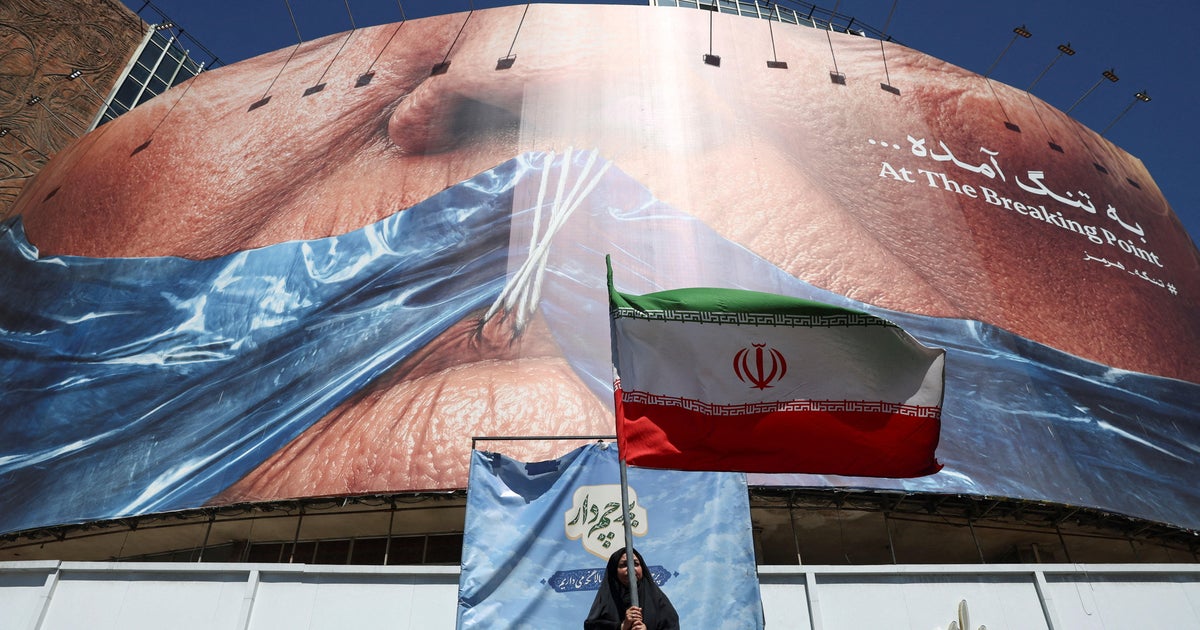
President Donald Trump said Monday that U.S.-Iran negotiations to end the war were “proceeding nicely,” but Iran warned obstacles remained, with Foreign Affairs Ministry spokesman Esmail Baghaei stating no agreement was “imminent” (CBS News). The potential deal, which could reopen the Strait of Hormuz and halt fighting, has drawn both cautious optimism and sharp criticism from U.S. allies and lawmakers.
Trump’s Dual Strategy: Peace and Pressure
Trump’s Monday morning post on Truth Social framed the negotiations as a pivotal moment, declaring, “it should be mandatory that all of these Countries, at a minimum, simultaneously, sign onto the Abraham Accords” (CBS News). The president linked the Iran deal to broader regional diplomacy, urging Saudi Arabia, Qatar, and others to join the U.S.-brokered agreement that normalized ties between Israel and Arab nations. “This will be the most important Deal that any of these Great, but always in Conflict Countries, will ever sign,” he claimed (CBS News). Republican Sen. Lindsey Graham echoed this, urging Trump to “stick to your guns in getting a good deal with Iran” and “insist Saudi Arabia and others join the Abraham Accords as part of these negotiations” (CBS News).
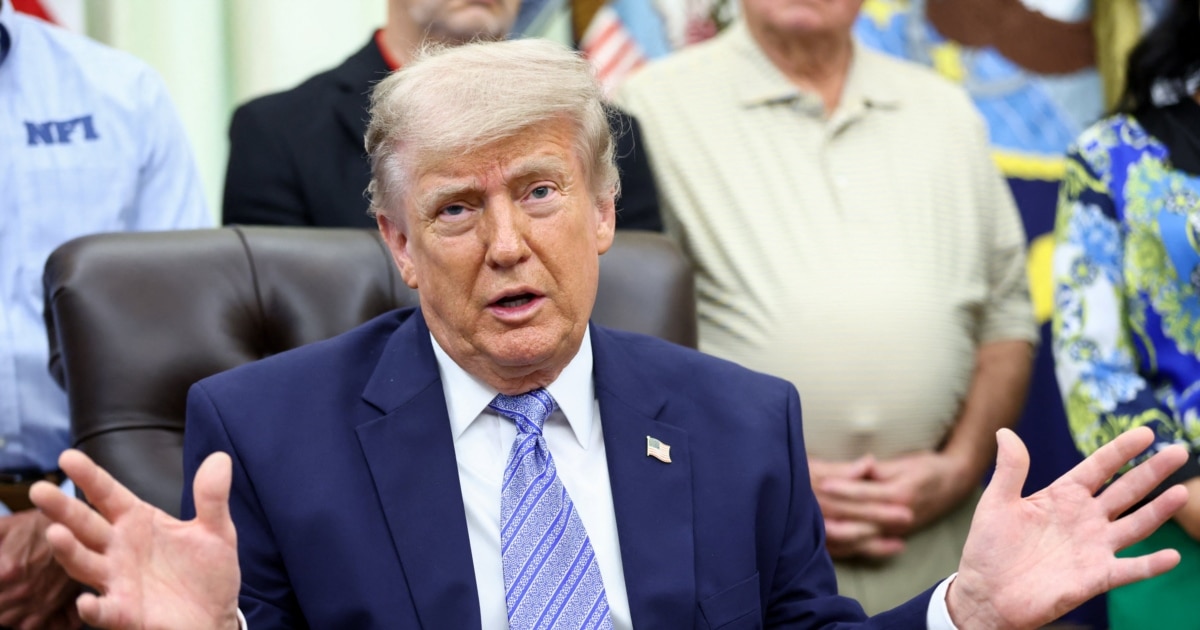
However, Trump’s rhetoric contrasted with his earlier caution. Earlier in the week, he had warned against “rushing into a deal,” a shift that analysts say reflects the complexity of reconciling U.S. demands with Iran’s conditions (NBC News). The president’s dual approach—balancing diplomacy with threats of renewed conflict—has drawn scrutiny. “Back to the Battlefront and shooting, but bigger and stronger than ever before—And nobody wants that!” he warned (CBS News).
Iran’s Cautious Stance and Strategic Concerns
Iran’s Foreign Ministry has repeatedly tempered expectations, with spokesman Esmail Baghaei stating, “To say that this means an agreement is on the verge of being signed is not something anyone can claim” (AP News). While Tehran acknowledges progress, it has emphasized that nuclear issues and the management of the Strait of Hormuz remain unresolved. Baghaei noted, “It’s true that we have reached conclusions on many issues under discussion, but no one can claim that this means an imminent agreement is about to be signed” (AP News).
The Islamic Republic’s hesitancy reflects deep-seated concerns. A senior U.S. official described the draft deal as a “memorandum of understanding” that would temporarily halt hostilities but defer nuclear negotiations (RFE/RL). Iranian officials have also criticized the lack of clarity on the Strait of Hormuz, stating it “should be a matter for its coastal states” (AP News). This highlights a core tension: while the U.S. seeks to secure regional stability, Iran insists on preserving its leverage over critical trade routes.
The Abraham Accords’ Role in Regional Diplomacy
Trump’s emphasis on the Abraham Accords underscores his broader vision for Middle East diplomacy. The president argued that Iran’s inclusion in the agreement would “be an Honor to have them also be part of this unparalleled World Coalition” (CBS News). This aligns with his administration’s strategy of expanding the accords to include Arab states that have not yet joined, such as Egypt and Jordan (NBC News).
However, the push has faced resistance. Senior Republican lawmakers have warned that the Iran deal could be a “disastrous mistake,” criticizing its potential to weaken U.S. leverage over Tehran (NBC News). Trump responded by attacking critics as “Dumocrats, RINOS, and Fools who know nothing about the potential deal” (NBC News). The divide reflects broader ideological rifts within the U.S. government over how to balance regional stability with strategic interests.
Unresolved Issues and the Path Forward
Key unresolved issues include the future of Iran’s nuclear program and the terms of the Strait of Hormuz’s reopening. Disagreements persist regarding the scope of international oversight on Iranian nuclear facilities, a point of contention that has stalled previous diplomatic efforts. While the U.S. has signaled a willingness to explore a phased approach to sanctions relief, Iranian leadership remains skeptical of the durability of such commitments given the political volatility in Washington.
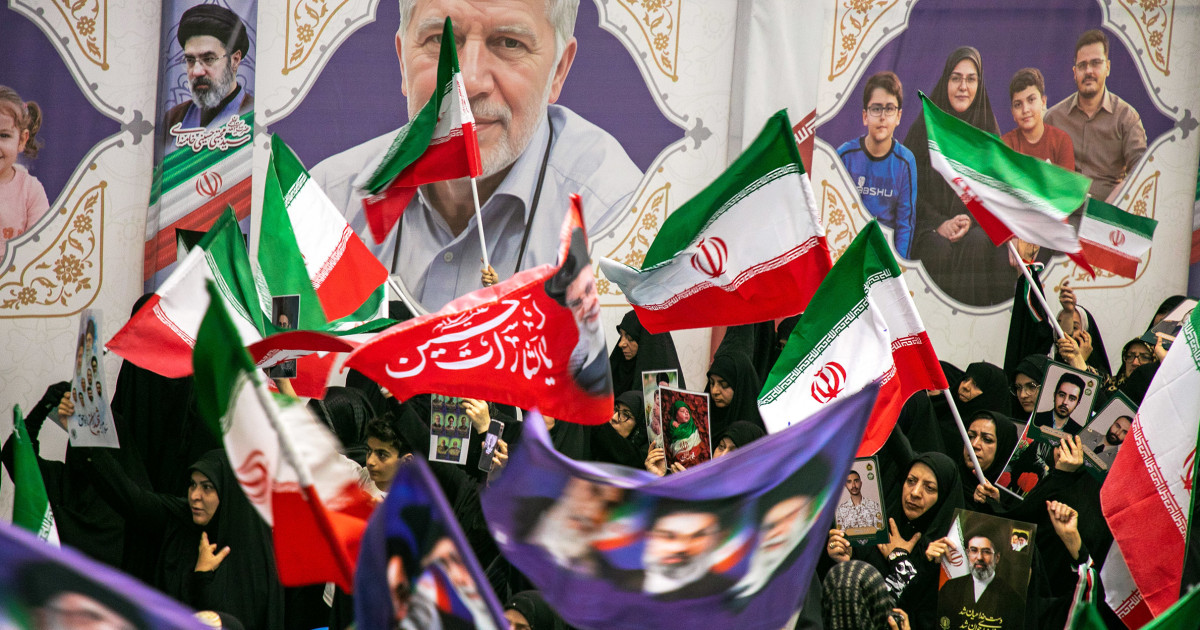
The diplomatic maneuvering has occurred against a backdrop of ongoing military posture. The U.S. has maintained a significant naval presence in the region, which Tehran views as an act of intimidation rather than a stabilizing force. Baghaei’s recent remarks suggest that Iran views the current negotiations as a test of the U.S. administration’s genuine commitment to de-escalation, rather than a mere tactical pause in the conflict. Meanwhile, regional powers, including the Gulf Cooperation Council, have reportedly sought assurances from both Washington and Tehran that any final agreement will not compromise their own national security interests or result in a vacuum of power that could be exploited by non-state actors.
As the talks continue, the international community remains divided. European diplomats have urged both sides to capitalize on the current window of opportunity, warning that the failure to reach a deal could lead to a protracted period of regional instability. Conversely, some factions within the Iranian parliament have expressed vocal opposition to any deal that would require significant concessions on the nation’s nuclear research capabilities, adding a layer of domestic political pressure on the Iranian negotiating team.
The path forward remains precarious, with both sides acknowledging that the current framework is preliminary. The White House has indicated that it remains open to further discussions, provided that Iran demonstrates a clear willingness to address the core security concerns raised by the United States and its regional partners. As of Monday, no date has been set for the next round of formal negotiations, leaving the international community to monitor the situation as both governments weigh the risks of compromise against the costs of continued hostilities.
