
Ukrainian experts have determined that Russian Oreshnik missiles, touted by the Kremlin as cutting-edge weaponry, actually utilize components manufactured as early as 2014. Analysis of debris recovered from recent strikes reveals that the missile relies on older, non-satellite-guided technology, contradicting official Russian claims regarding the system’s status as a modern strategic development.
Dissecting the Oreshnik’s Technological Age
The narrative surrounding Russia’s Oreshnik missile system has faced a sharp reality check following a technical examination of recovered wreckage. On May 29, 2026, Vladyslav Vlasiuk, the presidential sanctions commissioner, revealed that components retrieved from the missile—including its onboard computer and processor unit—date back to 2016. According to The Kyiv Independent, experts found that the missile system, which Moscow first deployed against Ukraine in November 2024, incorporates parts manufactured as far back as 2014, including electronic components supplied by the Belarusian Integral plant.

The findings directly challenge the Kremlin’s 2024 messaging, which characterized the Oreshnik as a sophisticated, next-generation weapon. Instead, experts suggest the missile is a modified derivative of older Soviet-era ballistic designs, such as the Rubezh surface-to-surface missile. By relying on an inertial navigation system rather than satellite guidance, the weapon avoids certain modern tracking dependencies, but its internal architecture remains largely dated.
When we examined it, we were very surprised because (Russia) claims that it’s a very new missile. This missile is not a cutting-edge development.
Petro, an expert involved in the wreckage analysis, via The Kyiv Independent
Strategic Implications and Tactical Reality
While the internal components are older than advertised, the weapon’s strategic utility remains a subject of intense scrutiny. The Oreshnik is designed to carry a nuclear warhead, a technical specification that forces analysts to consider the broader implications of its use. However, the actual damage observed in recent strikes has been minimal. In Bila Tserkva on May 24, 2026, an Oreshnik strike resulted in damage to a garage cooperative and a local business, though UA.NEWS reports that the intended target was likely a nearby airfield.
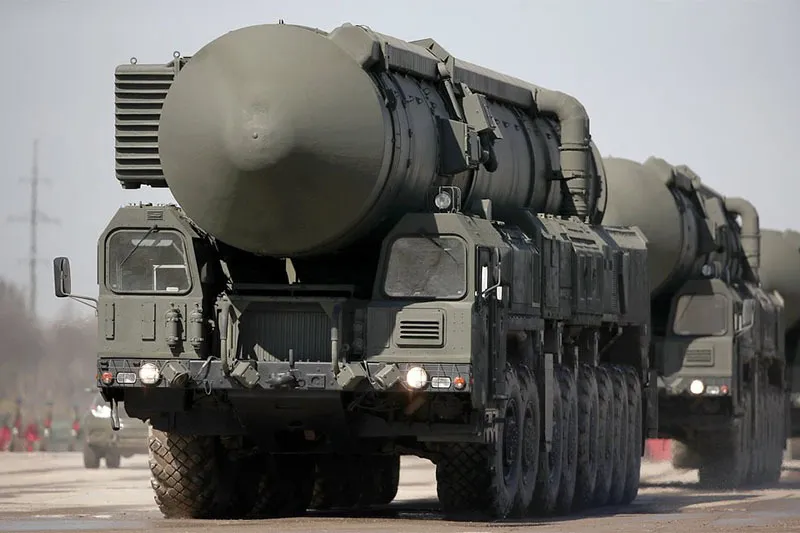
The lack of precision inherent in the missile’s design—a byproduct of its strategic-purpose architecture—limits its effectiveness in conventional warfare. According to the technical assessment cited by Мілітарний, the munitions packed into the warhead produce almost negligible damage, reinforcing the view that the missile serves more as a political signaling tool than a tactical game-changer.
Since this is a strategic-purpose missile, it is designed to carry a nuclear warhead. That is why it isn’t very precise. The damage caused by the munitions packed into the missile’s warhead is almost none.
Petro, an expert involved in the wreckage analysis, via The Kyiv Independent
The Escalation Gamble and Intelligence Gains
The deployment of the Oreshnik has been widely interpreted as an attempt by the Kremlin to intimidate both Ukraine and Western allies. Yet, Western intelligence officials suggest this move has backfired. Congressman Jim Himes, a member of the U.S. House of Representatives Intelligence Committee, noted during a May 24, 2026, briefing in Kyiv that the use of such a weapon has failed to deter Ukrainian resolve. Moreover, the debris has provided the U.S. and Ukraine with a rare opportunity to conduct a thorough technical analysis of the missile’s capabilities.
Despite the outdated nature of its electronic components, Vlasiuk cautioned against total dismissal of the threat. The missile remains difficult to intercept and resistant to conventional electronic warfare jamming, a combination that makes it a persistent, if not “cutting-edge,” danger on the battlefield.
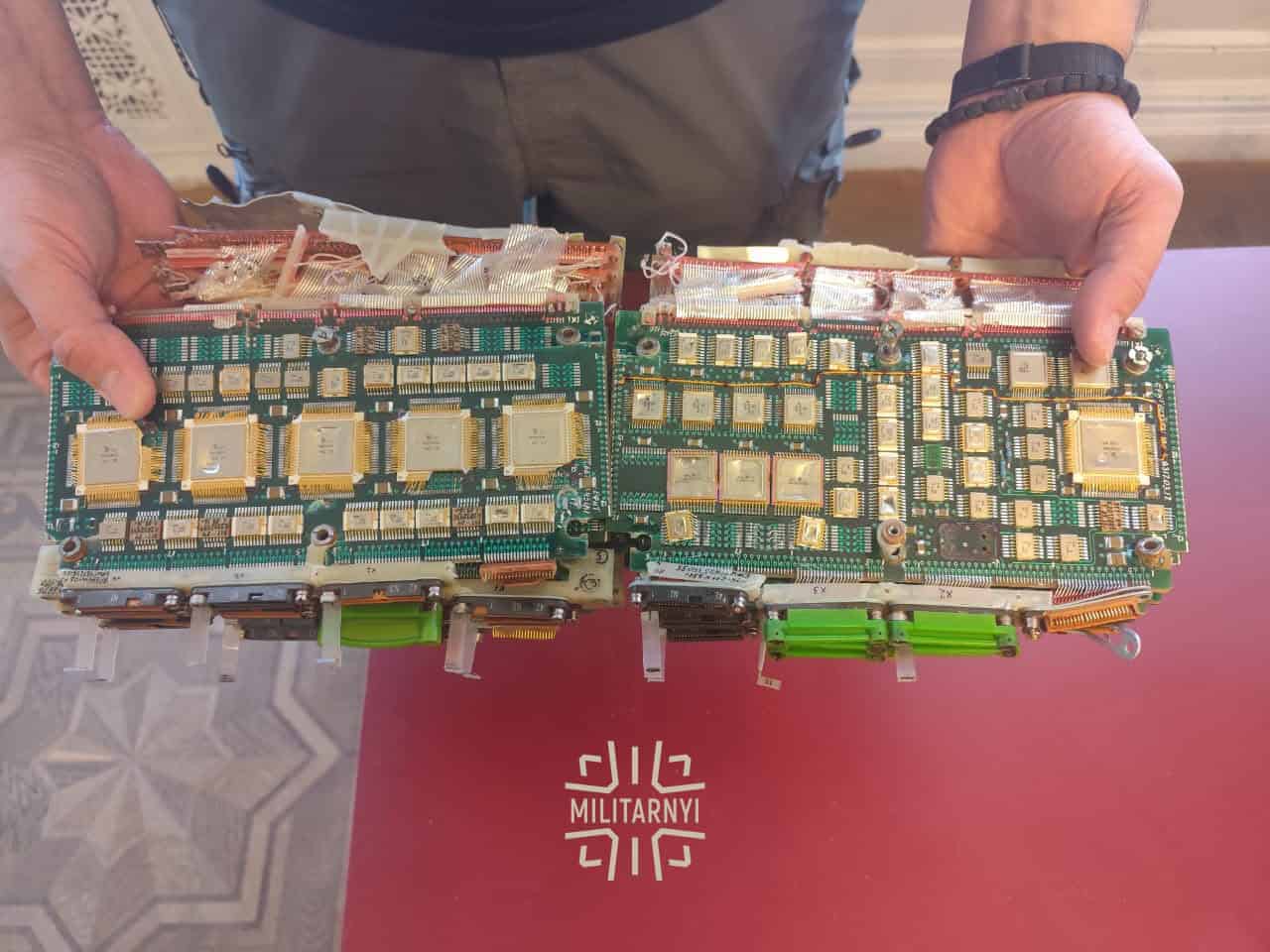
This is a terrifying weapon. It’s a strategic ballistic missile. It’s a demonstration… Sane people don’t indulge in such demonstrations.
Vladyslav Vlasiuk, presidential sanctions commissioner, via The Kyiv Independent
As the conflict continues, the recovery of parts manufactured in China, Germany, Switzerland, and Japan alongside Russian and Belarusian components highlights the ongoing challenge of enforcing sanctions. While the Oreshnik analysis confirms the Kremlin’s reliance on aging technology, the incident serves as a reminder of the complex, globalized supply chains that continue to underpin modern Russian weaponry. For now, the primary value of the Oreshnik appears to be its role in a high-stakes demonstration of escalation—one that has inadvertently handed critical intelligence data to those it sought to intimidate.
