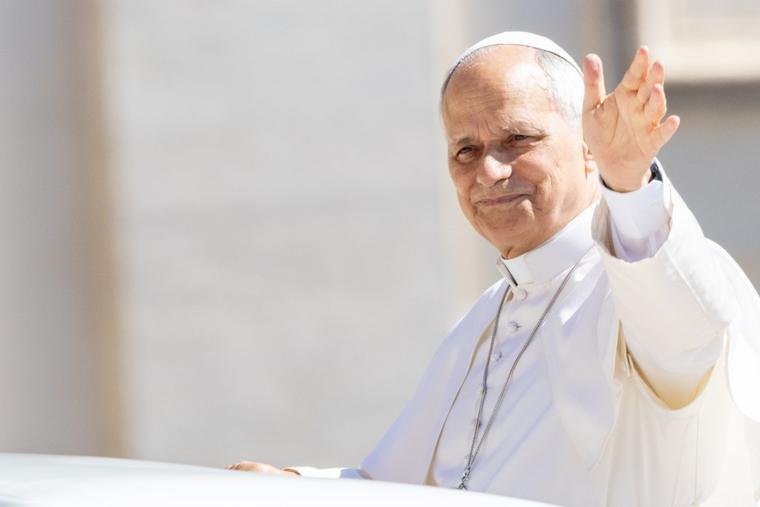
Pope Leo XIV addressed thousands in St. Peter’s Square on May 27, 2026, urging Catholic priests to maintain fidelity to liturgical norms. Reflecting on the Second Vatican Council’s constitution, Sacrosanctum Concilium, the Pope emphasized that authentic liturgical renewal requires a balance between preserving sound tradition and allowing for necessary progress.
A Call for Liturgical Fidelity
During his weekly General Audience, Pope Leo XIV directed a specific request to those who lead the Mass, urging them to avoid individualistic modifications to the rites. The pontiff underscored that the liturgy is not a domain for personal experimentation, but rather a space for the Church to act in communion with its history and theological foundations. According to the National Catholic Register, the Pope emphasized that priests should not implement changes “on their own initiative,” a practice he warned can lead to confusion among the faithful.
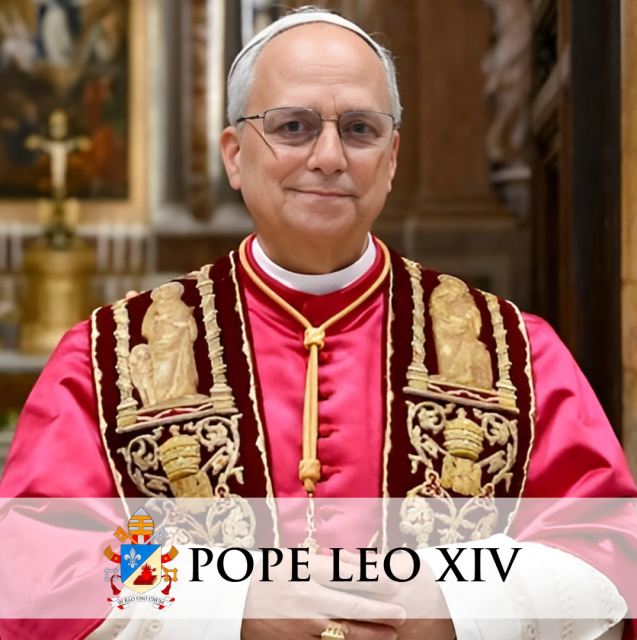
“I encourage all priests to respect the texts and norms of the liturgy with openness, humility, trust in God’s greatness and with sincere fidelity to ecclesial communion.”
Pope Leo XIV, during the General Audience on May 27, 2026This message builds upon a series of catecheses the Pope began on May 20, 2026, focused on the documents of the Second Vatican Council. By focusing on the 1963 constitution Sacrosanctum Concilium, the pontiff is attempting to reframe the debate surrounding post-conciliar changes. He argued that the Council Fathers sought a deeper spiritual objective: to lead the Church to contemplate the mystery of Christ, rather than merely adjusting the external mechanics of the ritual.
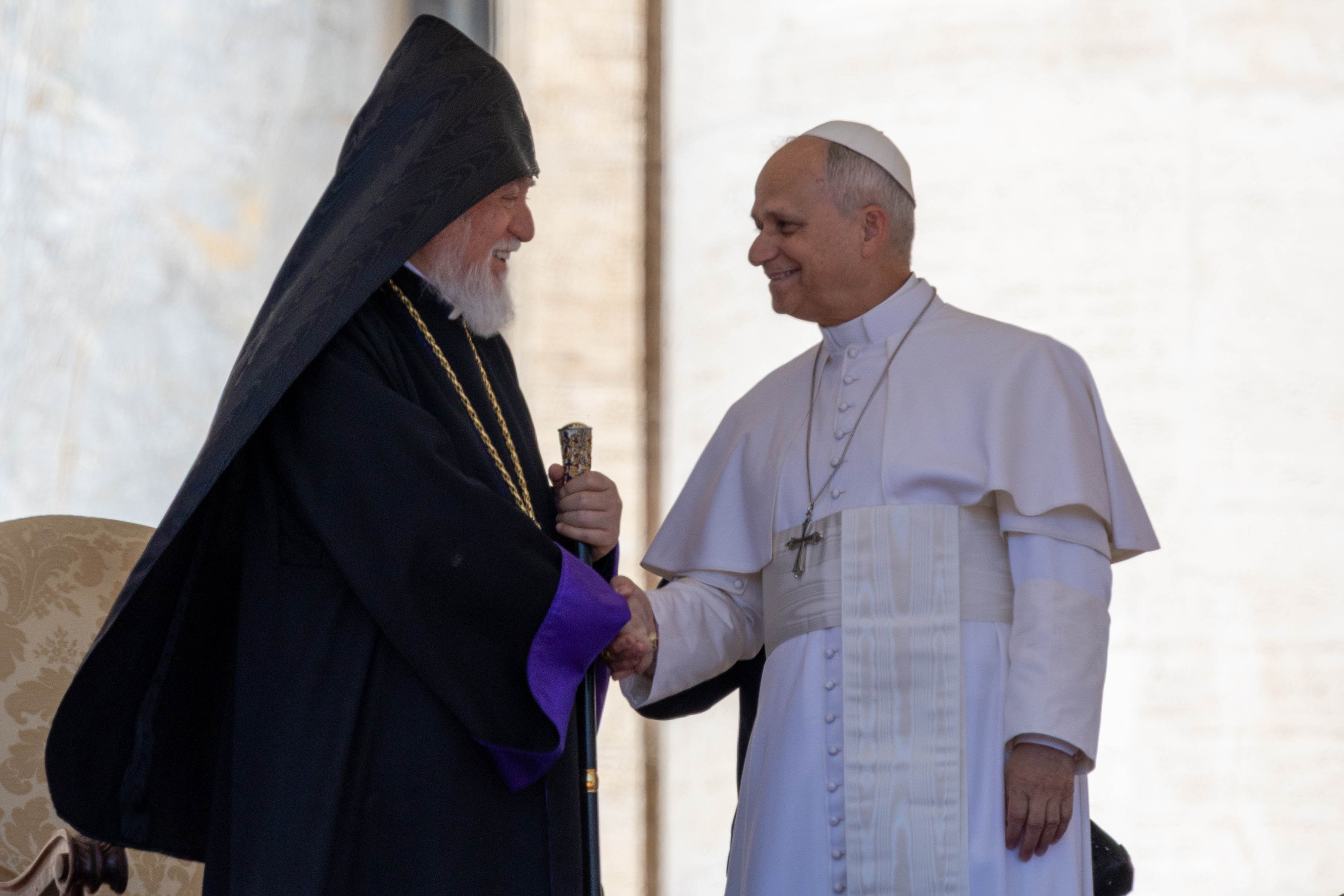
The Vatican Secretariat of State, led by Cardinal Pietro Parolin, has reportedly begun drafting a follow-up directive for the Dicastery for Divine Worship and the Discipline of the Sacraments. According to sources within the Roman Curia, this document is expected to clarify the boundaries of “pastoral adaptation” allowed under current Canon Law. Prefect of the Dicastery, Cardinal Arthur Roche, has previously indicated that liturgical uniformity is essential for maintaining the unity of the Roman Rite, a sentiment that aligns with the Pope’s recent remarks. However, some factions within the German Bishops’ Conference (DBK) have expressed concern that overly rigid enforcement of rubrics may stifle the “synodal spirit” currently being cultivated in Northern European dioceses. Bishop Georg Bätzing, president of the DBK, has not yet issued a formal response to the May 27 address, though his office noted that the German church remains committed to the “organic development” of the liturgy as discussed during their recent national synodal assemblies.
The Organic Bond Between Liturgy and Life
A central theme in the Pope’s recent remarks is the assertion that the liturgy is the “font from which all her power flows.” As noted by EWTN News, the Pope explained that the liturgy serves as the context in which the Church receives her life, moving beyond a narrow understanding of ritual to a broader sacramental reality. He cited the perspective that the Church does not simply perform the liturgy, but rather that the Church lives by it.
The Pope’s analysis relies heavily on the historical context of the 1960s. He noted that there was a strong, recognized need at that time to renew ritual forms that had been used for centuries to glorify God. By invoking the words of his predecessors, specifically Pope John Paul II, Leo XIV reinforced the idea that a “very close and organic bond exists between the renewal of the liturgy and the renewal of the whole life of the Church.”
Diplomatic observers in Rome suggest that this emphasis on the “organic” nature of change is a tactical pivot. By framing current liturgical debates through the lens of the 1963 constitution, the Vatican is attempting to bypass the polarized discourse surrounding the 2021 motu proprio Traditionis Custodes. While traditionalist groups, such as the Priestly Fraternity of St. Peter (FSSP), have maintained a stance of quiet compliance, representatives from the Latin Mass Society of England and Wales have argued that the Pope’s call for “fidelity to norms” is being interpreted by local ordinaries as a mandate to further restrict the Traditional Latin Mass. The Vatican has not confirmed whether any new restrictions are imminent, but the emphasis on “liturgical communion” in the May 27 address has heightened anxieties among communities attached to the 1962 Missal.
Balancing Tradition and Progress
In his address, the full text of which was provided by The Catholic Times, the Pope addressed the tension between those who emphasize tradition and those who push for development. He explicitly rejected the idea that these two concepts are inherently opposed.

Quoting an address by Pope Benedict XVI from May 6, 2011, Leo XIV noted that tradition is a “living reality” that inherently includes the principle of development. He argued that the “river of tradition” carries its source within itself while flowing toward the future. This conceptual framework is intended to provide a middle path for the Church:
- Sound Tradition: Must be retained as the foundation of the faith.
- Legitimate Progress: Remains necessary to adapt to current temporal needs.
- Divinely Instituted Elements: Certain aspects of the liturgy are unchangeable and must be preserved against any reform.
By emphasizing this balance, the Pope is positioning his pontificate as a bridge-builder, aiming to stabilize the liturgical landscape while simultaneously discouraging the rigid rejection of the Council’s reforms. His insistence on “sincere fidelity” suggests that the Vatican expects a more uniform adherence to established liturgical norms in the coming months, even as the Church continues its broader mission of evangelization in a changing global context.
Regional ecclesiastical authorities in North America have begun to assess the impact of this message. The United States Conference of Catholic Bishops (USCCB) has scheduled a closed-door session for their June 2026 plenary meeting to discuss how to implement the Pope’s guidance in a way that avoids alienating either the traditionalist or progressivist wings of the American Church. Archbishop Timothy Broglio, president of the USCCB, stated in a press release following the audience that the Pope’s words provide a “necessary roadmap for unity,” though he acknowledged that local bishops face significant challenges in reconciling the diverse liturgical preferences of their flocks. Meanwhile, in Latin America, the Council of Latin American Bishops (CELAM) has praised the Pope’s focus on the “mystery of Christ,” viewing the address as a vital reinforcement of the Church’s role in social and spiritual integration. As the Vatican prepares for the upcoming Synod on Synodality’s final stages, the Pope’s insistence on liturgical discipline appears to be a calculated effort to ensure that the Church’s structural reforms do not detach from its sacramental core.
