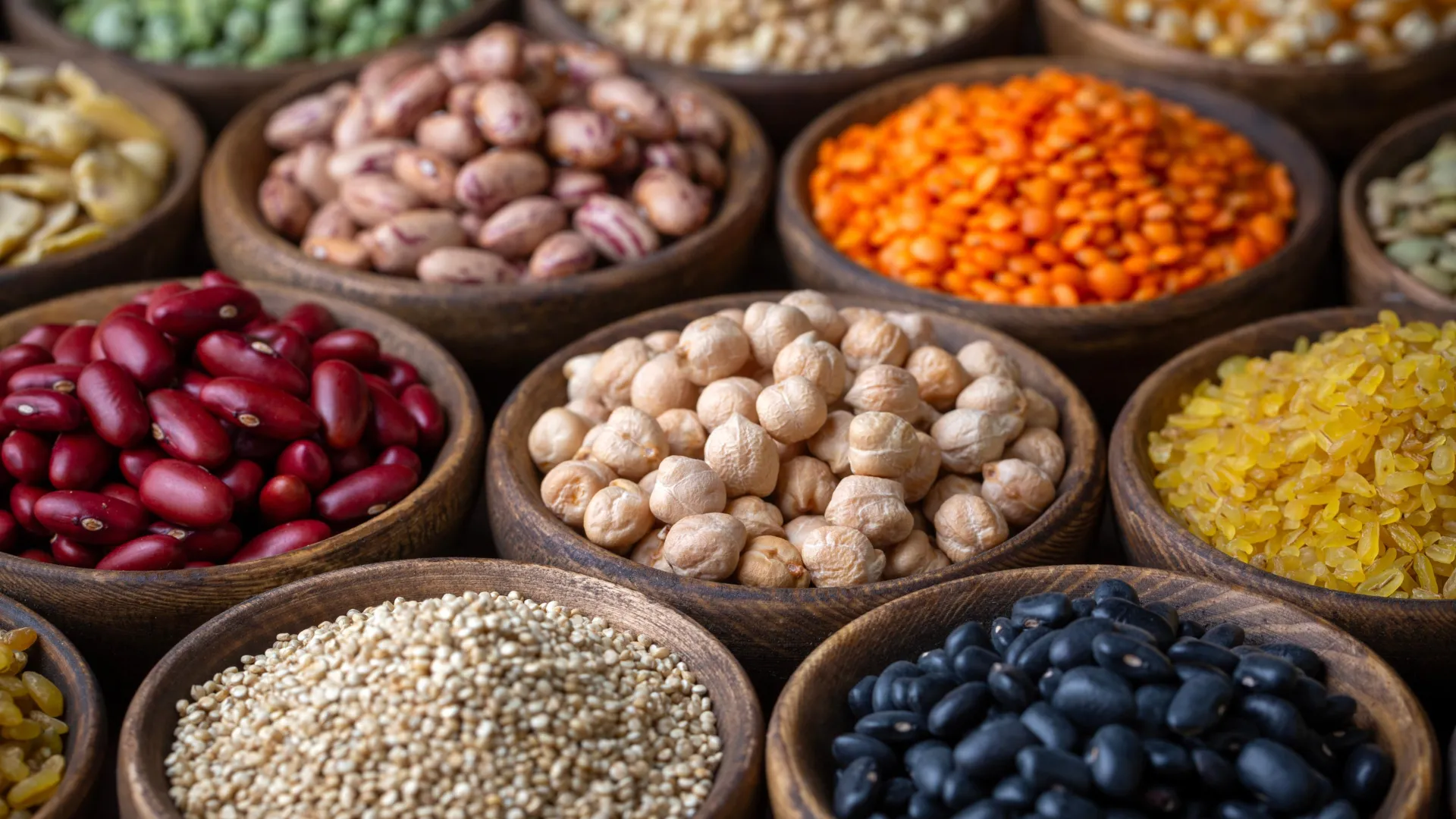
Recent research published in the BMJ Nutrition Prevention & Health suggests that consuming legumes and soy foods could reduce the risk of developing high blood pressure by nearly 30%, with specific intake levels linked to significant benefits.
Key Findings from the BMJ Study
A large-scale analysis of 12 observational studies, spanning the United States, Europe, and Asia, revealed that individuals with the highest legume intake were 16% less likely to develop hypertension compared to those with the lowest consumption. For soy foods, the risk reduction reached 19%. The study, which included over 88,000 participants, found that consuming approximately 170 grams of legumes daily—equivalent to a cup of cooked beans, lentils, or chickpeas—correlated with a 30% lower risk of high blood pressure. Similarly, 60 to 80 grams of soy products, such as tofu or edamame, reduced risk by 28 to 29%.

Lead author Dagfinn Aune, a professor of epidemiology and global health at Imperial College London, emphasized the study’s significance in a statement to Everyday Health. “Putting more emphasis on plant-based protein sources like legumes and soy in the diet is a low-cost and sustainable alternative that could reduce the burden of hypertension,” Aune stated. “This could potentially lower the risk of hypertension-related diseases, including stroke and heart disease, which are leading causes of global mortality.” The study was funded in part by the British Heart Foundation and the World Cancer Research Fund, with peer review conducted by the journal’s editorial board, including nutrition experts from Harvard T.H. Chan School of Public Health and Oxford University.
The analysis pooled data from studies published between 2010 and 2024, with the most recent contributing datasets from 2023–2025. The meta-analysis employed a dose-response model to assess how incremental increases in legume and soy intake corresponded to reductions in hypertension risk. The study’s methodology was highlighted in a supplementary appendix, detailing adjustments for confounding variables such as age, sex, body mass index, physical activity, and smoking status.
Biological Mechanisms and Nutritional Benefits
The study highlights that legumes and soy are rich in potassium, magnesium, and dietary fiber—nutrients known to support healthy blood pressure. These components may explain the observed protective effects. For instance, legumes like lentils and chickpeas provide a substantial amount of potassium, which helps balance sodium levels in the body, while soy’s isoflavones may improve vascular function.
“Legumes and soy are also rich in dietary fibre, which is linked to lower rates of hypertension and overall cardiovascular disease risk,” noted The Independent, citing the study’s co-author, Dr. Marc Gunter, head of the Nutritional Epidemiology Group at the International Agency for Research on Cancer (IARC). The researchers emphasized that the benefits of soy foods plateaued beyond 60 to 80 grams daily, suggesting a threshold effect for optimal impact. This aligns with earlier findings from the China-PAR study, which observed similar saturation points for soybean products.
The BMJ study also examined the role of resistant starch in legumes, which ferment in the gut to produce short-chain fatty acids (SCFAs) like butyrate. These compounds have been shown in preclinical studies to reduce inflammation and improve endothelial function, both of which contribute to blood pressure regulation. The analysis included data from 14 randomized controlled trials assessing legume intake and vascular biomarkers, though these were not part of the primary observational cohort.
Global Implications and Public Health Potential
The findings align with a separate study from China’s Project of Prediction for Atherosclerosis Cardiovascular Disease Risk (China-PAR), which found that consuming at least 125 grams of soybean products daily was associated with a 27% lower risk of hypertension. This study, involving over 67,000 Chinese adults aged 30–79, was led by Dr. Liming Li, director of the National Clinical Research Center for Cardiovascular Diseases in Beijing. The China-PAR study, published in The Lancet Planetary Health in 2024, used a prospective cohort design with a median follow-up of 7.2 years.

“Soybean products might reduce long-term blood pressure levels and hypertension incidence among Chinese populations,” the study concluded. Given that hypertension affects nearly 23.2% of Chinese adults—equivalent to over 270 million people—these results highlight the importance of culturally tailored dietary guidelines. The Chinese Ministry of Health has since incorporated these findings into its 2025–2030 Dietary Guidelines for Chinese Residents, recommending at least three servings of soy products weekly for adults.
In the U.S., the 2025–2030 Dietary Guidelines Advisory Committee is currently reviewing evidence for a potential update to the Dietary Guidelines for Americans, with legume and soy intake emerging as a key focus. A draft report leaked to Politico in April 2026 suggested that the committee may recommend increasing legume consumption to 25% of total protein intake for adults, up from the current 15% target.
Meanwhile, the World Health Organization (WHO) has cited the BMJ study in its upcoming 2026 Global Report on Diet, Physical Activity, and Health, set for release in September. The report will emphasize legumes and soy as “high-priority foods” for hypertension prevention in low- and middle-income countries, where processed meat and refined grains dominate diets.
Challenges and Limitations
While the studies establish a strong correlation, they are observational, meaning causation cannot be definitively proven. Additionally, the benefits of legumes and soy may vary based on individual dietary patterns, genetic factors, and regional food preparation methods. For example, the Harvard T.H. Chan School of Public Health notes that replacing red meat with plant-based proteins like beans could amplify these effects, but such shifts require behavioral and cultural adaptation.
“The findings can only prove a link, not cause and effect,” cautioned Everyday Health, quoting Dr. JoAnn Manson, chief of the Division of Preventive Medicine at Harvard Medical School. Manson, who was not involved in the BMJ study, emphasized the need for further randomized controlled trials (RCTs) to confirm the results. Two such trials are currently underway:
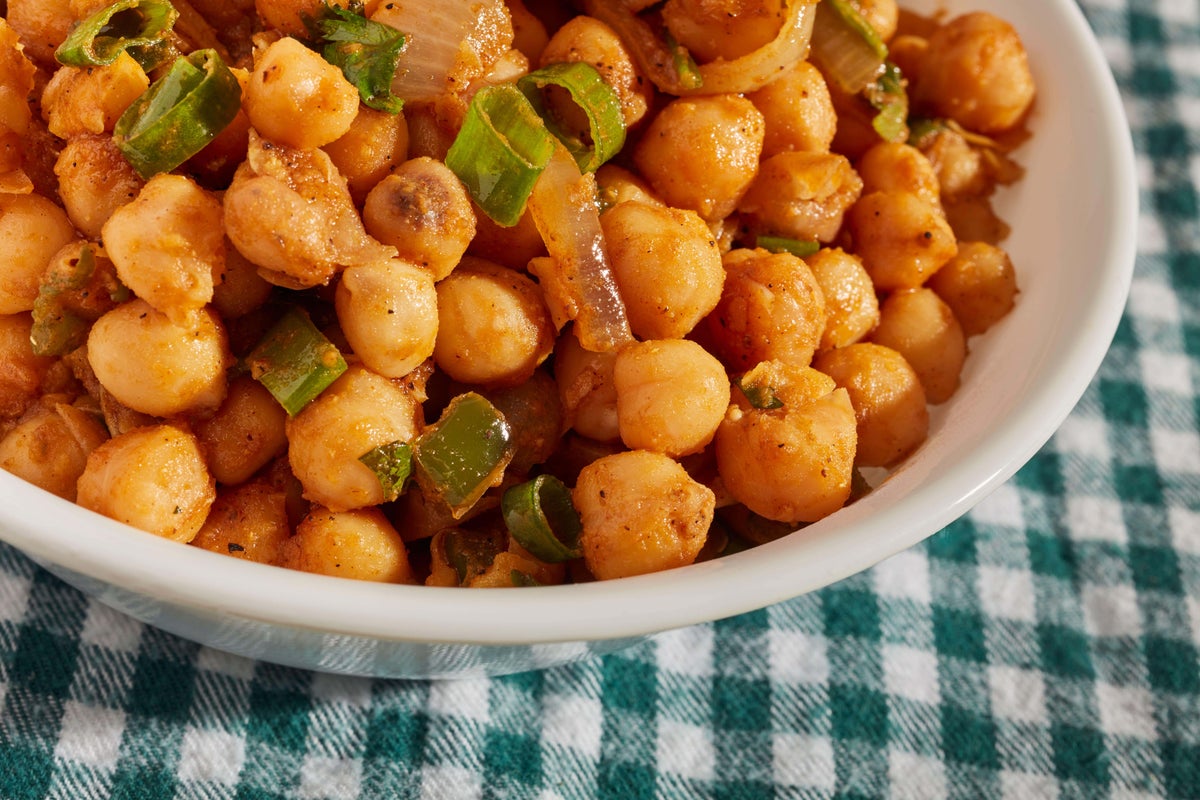
- A phase III RCT at Stanford University, funded by the National Institutes of Health (NIH), is testing whether a legume-rich diet can lower blood pressure in 1,200 adults with prediabetes over 18 months.
- A community-based RCT in India, led by the Public Health Foundation of India (PHFI) and supported by the Bill & Melinda Gates Foundation, is evaluating the impact of soy fortification in staple foods on hypertension rates in rural populations.
The BMJ study also acknowledged potential limitations in generalizing findings to populations with soy allergies or those following restricted diets. For instance, individuals with IgE-mediated soy allergies—affecting roughly 0.4% of adults globally—were excluded from the analysis. The study’s authors called for further research into alternative plant-based proteins, such as peas and quinoa, which may offer similar cardiovascular benefits without soy-related risks.
What’s Next for Dietary Guidelines?
Health organizations are likely to incorporate these findings into future recommendations. The World Health Organization (WHO) already advocates for diets rich in legumes and soy, citing their role in reducing chronic disease risks. However, the challenge remains in translating scientific evidence into accessible, actionable advice for diverse populations.
“A diet must also be safe to be healthy,” the WHO stresses, noting that nutritional strategies should account for local food availability, cultural preferences, and socioeconomic factors. For instance, in low-income regions, increasing legume consumption could address both malnutrition and hypertension, but infrastructure for food distribution and education may hinder implementation.
In the U.S., the Academy of Nutrition and Dietetics has developed a Legume and Soy Integration Toolkit, launched in May 2026, to help healthcare providers counsel patients on incorporating these foods. The toolkit includes sample meal plans, cooking demonstrations, and cost-saving tips, with a focus on populations with limited access to fresh produce.
As research continues to evolve, the message remains clear: integrating more legumes and soy into daily meals could be a simple, effective step toward better cardiovascular health. For individuals, the takeaway is straightforward—prioritize plant-based proteins, monitor portion sizes, and consider consulting a nutritionist for personalized guidance. The BMJ study’s authors recommend starting with incremental changes, such as replacing one meat-based meal per week with a legume-rich dish, to improve adherence and sustainability.
