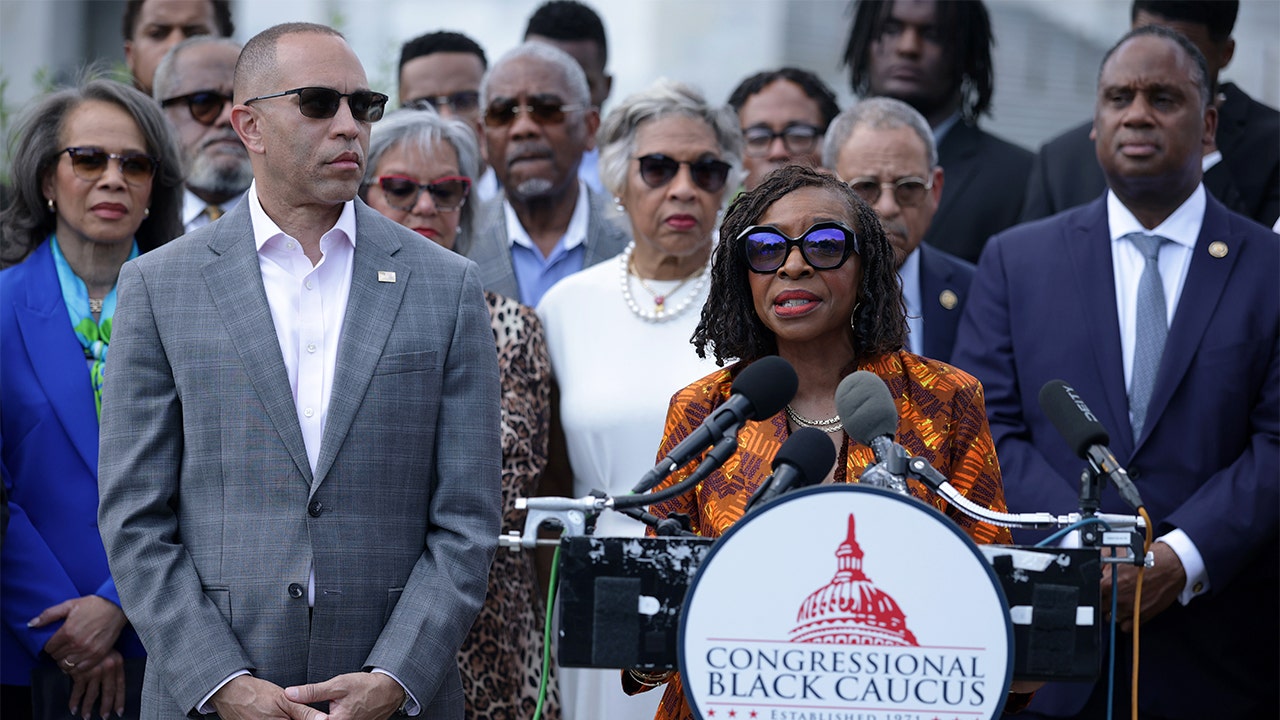
The Congressional Black Caucus on Tuesday launched a direct appeal to more than 250 major corporations—including Apple, Amazon, and Starbucks—to publicly oppose Republican-led redistricting efforts that critics say are systematically dismantling majority-Black congressional districts across the U.S. The move comes as GOP-controlled states accelerate map redraws following a recent Supreme Court ruling that weakened key protections under the Voting Rights Act, with lawmakers warning the changes could silence Black political power for decades.
Why This Letter Is a Political Earthquake
The caucus’s letter—sent on May 26, 2026—isn’t just symbolic. It names specific companies that previously backed voting rights, including those that co-signed a 2021 Business for Voting Rights coalition led by Apple, Amazon, and Meta. The message is clear: corporations that profit from Black consumers and workers cannot remain silent while states like Georgia and Alabama redraw districts to dilute Black voting strength, the caucus argues.
“Corporations that have profited from Black consumers, relied on Black workers, and amassed wealth in part from Black communities cannot look away while Black political power is dismantled in plain sight,” Rep. Yvette Clarke, chair of the Congressional Black Caucus, told reporters Tuesday. The letter is framed as a direct challenge to corporate America’s past commitments on racial equity.

“Corporations that have profited from Black consumers, relied on Black workers, and amassed wealth in part from Black communities cannot look away while Black political power is dismantled in plain sight.”
Rep.
The timing couldn’t be more charged. Just days earlier, Black women in Georgia—including Keisha Lance Bottoms and Tanya Miller—won historic primary victories for governor and attorney general, signaling a generational shift in Black political leadership. Yet the caucus warns that redistricting efforts in states like Georgia could erase those gains by fragmenting Black voting blocs across multiple districts, making it nearly impossible to elect a single Black representative in some areas.
The Supreme Court Ruling That Changed Everything
A May 16, 2026, Supreme Court decision struck down a key provision of the Voting Rights Act that required preclearance for states with histories of racial discrimination before altering election laws. The ruling—confirmed by the AP—has emboldened Republican-led legislatures to redraw congressional maps without federal oversight. In Georgia alone, lawmakers are pushing to eliminate the state’s only Black-majority district, a move that would strip Black voters of a guaranteed voice in Congress.
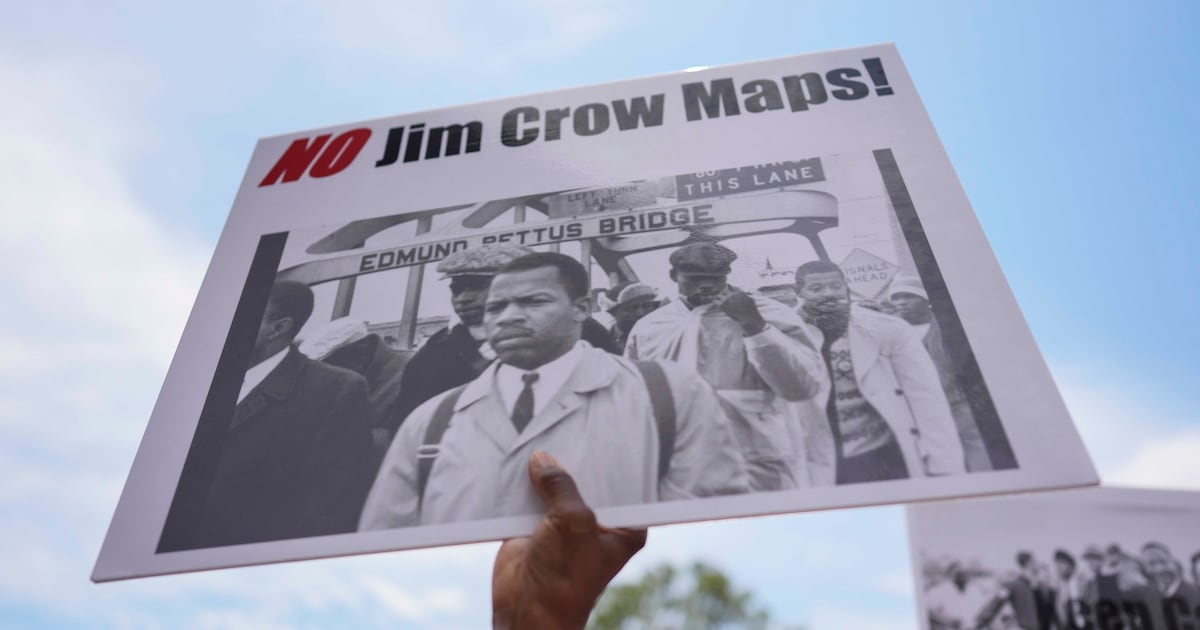
Fox Business reports that some GOP strategists privately acknowledge the risks: aggressive redistricting could backfire by making previously safe Republican districts more competitive. But the caucus’s letter frames the debate in moral terms, accusing corporations of hypocrisy for profiting from Black communities while turning a blind eye to policies that undermine their political influence.
Corporate America’s Dilemma: Profit vs. Principle
The letter’s target list includes not just U.S.-based giants but also multinational corporations with significant Black consumer bases, such as Unilever, Nike, and Coca-Cola. The caucus is betting that these companies—many of which have spent millions on diversity initiatives—will face reputational backlash if they remain silent.
But the pressure comes at a delicate moment. As Fox Business notes, many corporations have already scaled back public stances on racial justice since the 2020 protests, fearing backlash from conservative consumers. The caucus’s letter forces them to choose: double down on their past commitments or risk being labeled complicit in the erosion of Black voting rights.
What Happens Next: The Midterms and Beyond
The stakes are clear: if the redistricting push succeeds, the 2026 midterms could see a dramatic shift in Black political representation. The caucus’s letter is a preemptive strike to rally corporate allies before the maps are finalized—likely by summer. But the real test will be whether companies like Apple and Amazon, which have historically supported voting rights, will publicly denounce the redistricting efforts or quietly fund legal challenges.
One thing is certain: the letter has already ignited a firestorm. Conservative commentators, including radio host Dana Loesch, have framed the caucus’s move as an attempt to weaponize corporations for partisan gain. Meanwhile, voting rights groups are rallying behind the caucus, arguing that the redistricting efforts are a direct assault on democracy.
In Georgia, where Black voters make up nearly a third of the electorate, the fight is personal. The Atlanta Journal-Constitution’s Jamal-Harrison Bryant wrote this week that the redistricting push feels like a return to 1955—a time when Black political power was systematically suppressed. “It feels like we’ve gone backward,” Bryant wrote, contrasting the recent victories of Black women in primaries with the looming threat of gerrymandered districts.
The Long Game: How This Could Reshape 2026 and Beyond
The Congressional Black Caucus’s strategy is twofold: pressure corporations to use their financial and political influence to challenge the redistricting plans, and force Republicans into a corner where they must either defend the maps publicly or risk being labeled as anti-Black voting rights. The letter also serves as a warning to corporations that remain silent: their past support for diversity and inclusion could be used against them in future campaigns.
What’s less clear is whether the corporations will respond. In 2021, the Business for Voting Rights coalition included heavyweights like Microsoft and PayPal—but that was before the Supreme Court’s ruling and the current wave of redistricting battles. Today, the political climate is far more polarized, and corporations are more cautious about taking public stances on divisive issues.
One thing is certain: this fight isn’t just about the 2026 midterms. If the caucus succeeds in rallying corporate opposition, it could set a precedent for how businesses engage in voting rights battles in future elections. But if corporations stay silent, the message will be loud and clear: Black political power is up for grabs—and corporate America is willing to let it slip away.
The next 30 days will be critical. The caucus has given corporations until June to respond. If they don’t, the pressure will only intensify—with public shaming campaigns, shareholder resolutions, and potentially even boycotts targeting companies that fail to act.
What’s at Stake for Black Voters
The potential consequences of these redistricting efforts are staggering. In Georgia alone, eliminating the state’s only Black-majority district could mean the difference between electing a Black representative or none at all. Nationally, the impact could be even greater: if states like Alabama, Louisiana, and South Carolina follow Georgia’s lead, the number of Black-majority districts could drop from 10 to as few as 3 by 2028.
For Black voters, this isn’t just about representation—it’s about survival. As Rep. Clarke put it, the caucus is “putting corporate America on notice” because the alternative is unthinkable: a future where Black political power is so diluted that the voices of millions are effectively erased from Congress.
The question now is whether corporate America will answer the call—or whether the fight for Black voting rights will be left to politicians and activists alone.
