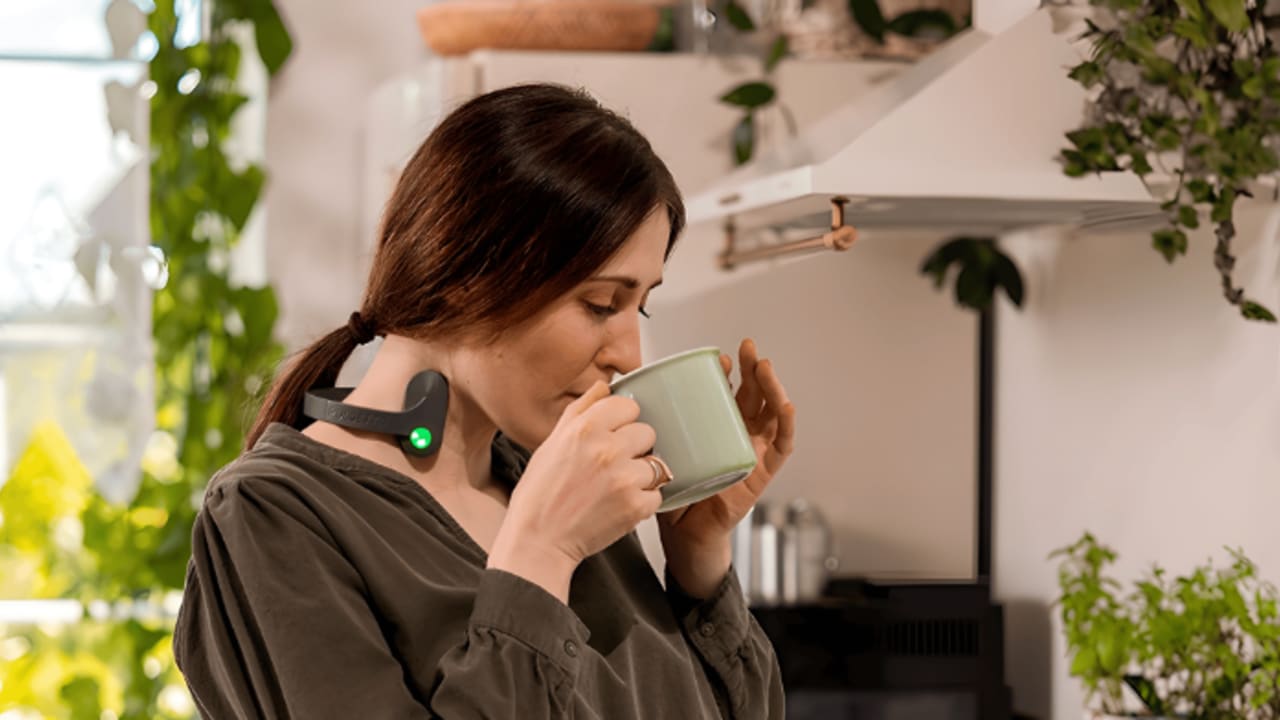
A wearable device known as Pulsetto is currently gaining traction as a consumer-grade vagus nerve stimulation tool, promising to mitigate stress and anxiety in four-minute sessions. While marketed as a wellness solution, the underlying science—specifically Polyvagal Theory—faces ongoing criticism from observers who argue the theory oversimplifies complex human emotional responses.
The Rise of Consumer-Facing Vagus Nerve Stimulation
Dr David Spiegel Harvard vagus nerve research presentation
Pulsetto has emerged as a prominent player in the wellness market, positioning itself as an accessible alternative to clinical vagus nerve stimulation (VNS) treatments. Unlike medical VNS, which has been utilized since the 1990s for conditions such as treatment-resistant epilepsy and depression, this device is designed for the everyday user. The company reports that its device delivers electrical impulses to the vagus nerve through a wearable neck unit, paired with a companion app that offers five distinct modes: Stress, Sleep, Burnout, Pain Control, and Calming.
According to The Jerusalem Post, the manufacturer claims over 100,000 users globally and asserts that more than 1.5 million sessions have been completed without documented side effects. For those researching the device, common search queries like “Pulsetto reviews,” “does Pulsetto work,” and “Pulsetto reviews consumer reports” reflect a growing consumer interest in finding non-pharmacological methods to manage burnout and sleep difficulties.
Scientific Foundations and Marketing Claims
Polyvagal Theory
The appeal of Pulsetto centers on the clinical link between the vagus nerve and the autonomic nervous system. By offering a consumer-accessible version of VNS, the company aims to help users transition from a stressed state to one of calm. The device is FCC and CE certified, and the company maintains that its core mechanism is grounded in peer-reviewed clinical literature rather than standard marketing copy.
However, the integration of these concepts into daily life is not without its skeptics. Critics point to the broader cultural and therapeutic trend of using terms like “the nervous system” as a catch-all for complex human emotions. As noted by Mad In America, the popularization of these physiological explanations can sometimes obscure the nuances of interpersonal conflict and emotional experience.
The Controversies Surrounding Polyvagal Theory
Vagus Nerve Stimulation for Enhancing Plasticity and Brain Health, with J Tyler, PhD, & C Welle, PhD
At the heart of many modern wellness protocols lies “Polyvagal Theory,” or PVT. Developed by Dr. Stephen Porges, a psychologist and traumatologist currently serving as a professor at the University of North Carolina and director of the Traumatic Stress Research Consortium at Indiana University, the theory suggests that the cranial vagus nerve plays a central role in mediating social and emotional behavior. Porges first introduced these ideas in 1994 while he was the director of the Brain-Body Center at the University of Chicago.
Despite its influence in wellness circles, the theory has been criticized for how it is applied to human relationships. Some observers argue that individuals may use the terminology of the theory—such as “emotional processing,” “dysregulation,” and “fawn” or “freeze” states—to frame everyday interpersonal frustrations as physiological events. This framing can sometimes turn straightforward communication into an exercise in diagnosing one’s own nervous system rather than addressing the underlying conflict.
Navigating Wellness Trends and Health Decisions
cluster (priority): The Jerusalem Post
For consumers, the gap between clinical theory and home-use wellness products remains significant. While devices like Pulsetto offer a specific, four-minute intervention, they exist within a market saturated with claims about nervous system regulation. The challenge for the user is distinguishing between evidence-based physiological support and the broader, sometimes unverified, claims associated with various wellness protocols.
As the conversation around nervous system health continues to evolve, the skepticism voiced by critics serves as a reminder to approach wellness devices with a measure of caution. Whether a device truly delivers on its promises often depends on individual results, which may vary significantly from the marketing narratives. Anyone considering new tools for stress or anxiety management should consult their healthcare provider to ensure that such interventions are appropriate for their specific health needs.
As one observer noted regarding the tendency to pathologize everyday social interactions:
“The husband would avoid communicating disappointing information (“I’ll be an hour later than usual tonight”) until it was certain to cause frustration and conflict because of how the wife typically reacted to such information.”Mad In America, via Mad In America
This observation highlights the complexity of human behavior, which often defies simple physiological categorization. As of May 2026, the intersection of technology and mental health remains a rapidly developing space, requiring both consumer vigilance and clinical oversight.
Dr. Nadia Rowe oversees medical, science, and wellness reporting. Holding a public-health doctorate and having contributed to Health Spectrum Review, she bridges scientific rigor with accessible communication. Her mission: make accurate health information available to everyone.