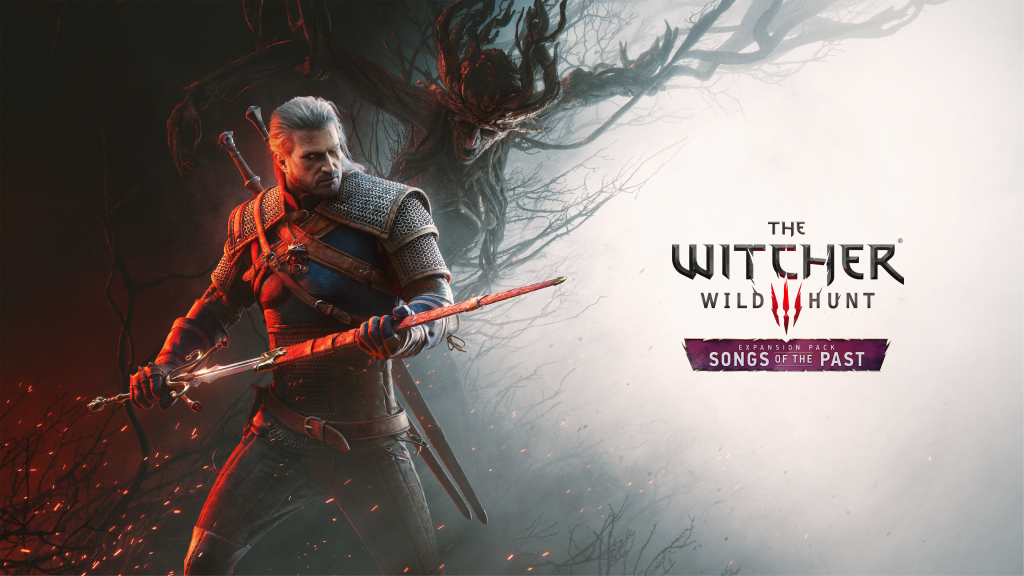
CD Projekt Red announced on May 27, 2026, that a third expansion for the role-playing game The Witcher 3: Wild Hunt, titled Songs of the Past, is scheduled for release in 2027. The upcoming content will be available on PlayStation 5, Xbox Series X|S, and PC, featuring a new adventure for Geralt of Rivia.
A New Chapter for The Witcher 3
More than a decade after its initial 2015 debut, The Witcher 3: Wild Hunt continues to expand its reach. CD Projekt Red confirmed that it is currently co-developing the Songs of the Past expansion alongside Fool’s Theory. The development team at Fool’s Theory consists of industry veterans who previously contributed to the development of the original title, providing a direct link to the game’s foundational design.

As the developer noted in the announcement from CD Projekt Red, this addition returns players to the role of the legendary monster slayer Geralt of Rivia for a brand new adventure. Since its release, the base game has achieved significant commercial and critical success, with more than 60 million copies sold and over 1,000 industry awards to its name, including more than 250 Game of the Year accolades.
Technical Platforms and Future Details
The expansion is slated for a 2027 launch across current-generation hardware, specifically PlayStation 5, Xbox Series X|S, and PC. While the announcement confirms the title and the collaborative nature of the development, the studio has withheld specific narrative or gameplay details for the time being.
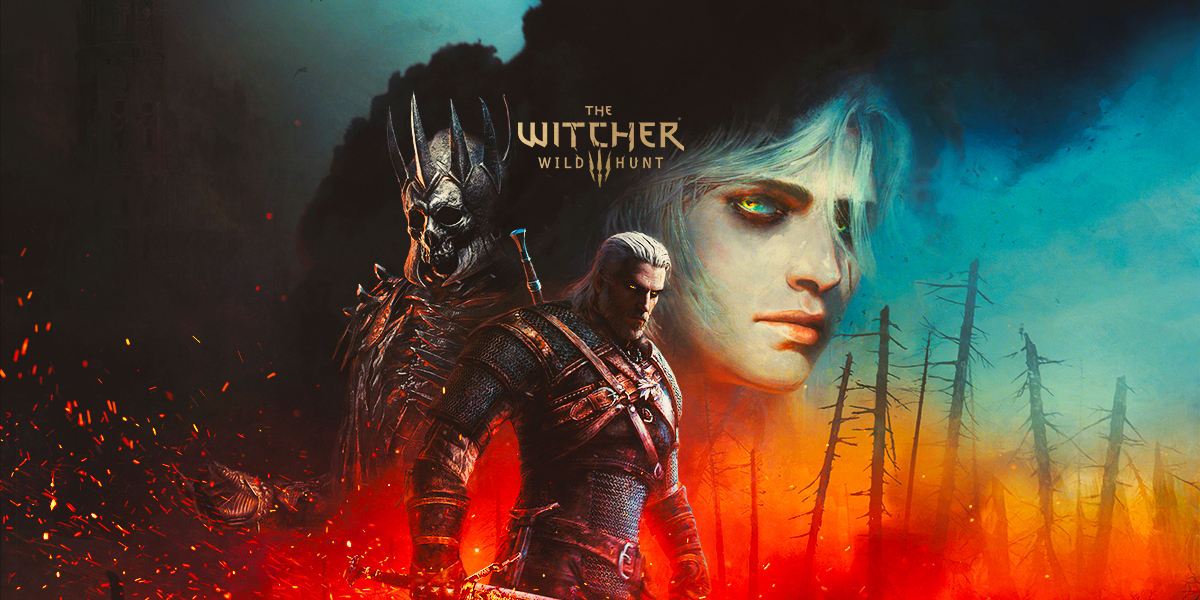
According to the official news release from CD Projekt Red, more comprehensive information regarding the content of Songs of the Past is expected to be released in late summer 2026. This timeline suggests a measured rollout of information as the studio prepares for the expansion’s release the following year. The collaboration with Fool’s Theory represents a strategic choice by CD Projekt Red to leverage institutional memory while focusing internal resources on other upcoming projects in the studio’s portfolio.
The Enduring Appeal of the Continent
The Witcher 3: Wild Hunt remains a fixture in the role-playing genre due to its complex, morally ambiguous world. The narrative structure, which requires players to make decisions with long-term ramifications for allies, enemies, and the world itself, has been a core component of its longevity.
As the official site for The Witcher details, the Continent is designed to be full of delightful and dreadful encounters that challenge the player’s sense of morality. This focus on choice and consequence—where players are not simply cast as a traditional hero or villain—has consistently been cited as a primary reason for the game’s status as a benchmark for open-world RPG storytelling. The experience is characterized by a cohesive world that is often described as both beautiful and demanding, providing a foundation that the developers intend to build upon with the upcoming expansion.
The game’s technical architecture, specifically its implementation of the REDengine, allowed for a level of environmental detail and systemic interaction that set a standard for the genre upon its 2015 release. By extending this content in 2027, the developers are signaling a continued commitment to the existing engine and gameplay loop that has sustained the community for over eleven years.
Market Presence and Community Engagement
The game’s continued relevance is supported by a robust digital presence, with platforms like GOG.com frequently highlighting the title as a cornerstone of the RPG genre. The enduring popularity of the game’s combat and storytelling has maintained a steady player base, even as the industry shifts toward newer hardware generations.
The studio has encouraged fans to stay updated through various social channels, including Facebook, Bluesky, and X, as well as the game’s official website. By maintaining this engagement, the developers ensure that the community remains focused on the evolving state of the game, even as they look toward the 2027 release date. Whether the new expansion will further explore the central conflict—the contract to save Geralt’s daughter, Ciri—remains a subject of speculation, but the announcement confirms that the studio is committed to returning to the established dark fantasy world that has defined the series for years.
The decision to release Songs of the Past on current-gen hardware underlines the studio’s intent to utilize the increased processing power of the PlayStation 5 and Xbox Series X|S to enhance the visual fidelity and performance of the expansion. This approach aligns with the studio’s broader strategy of maintaining the longevity of its core intellectual properties by providing periodic updates and new content that capitalize on the technical capabilities of modern gaming consoles and high-end PCs.
Industry analysts have noted that the longevity of The Witcher 3: Wild Hunt is an outlier in the gaming industry, where titles typically see a sharp decline in player engagement within months of launch. By integrating new narrative elements via the Songs of the Past expansion, CD Projekt Red is attempting to sustain this engagement trajectory further into the next decade, ensuring that the title remains a primary revenue driver and a cultural touchstone within the open-world RPG landscape.
