Newark’s Delaney Hall ICE detention center erupted into chaos this weekend as protests turned violent, with federal agents assaulted, an ICE SUV vandalized, and New Jersey’s governor deploying state police to restore order. Inside the facility, detainees—some on a hunger strike—report squalid conditions, including food infested with maggots and limited medication, while outside, clashes between activists and law enforcement have forced a rare intervention by Governor Mikie Sherrill to prevent further escalation.
Detainees Describe “Maggot-Infested” Food and a Hunger Strike
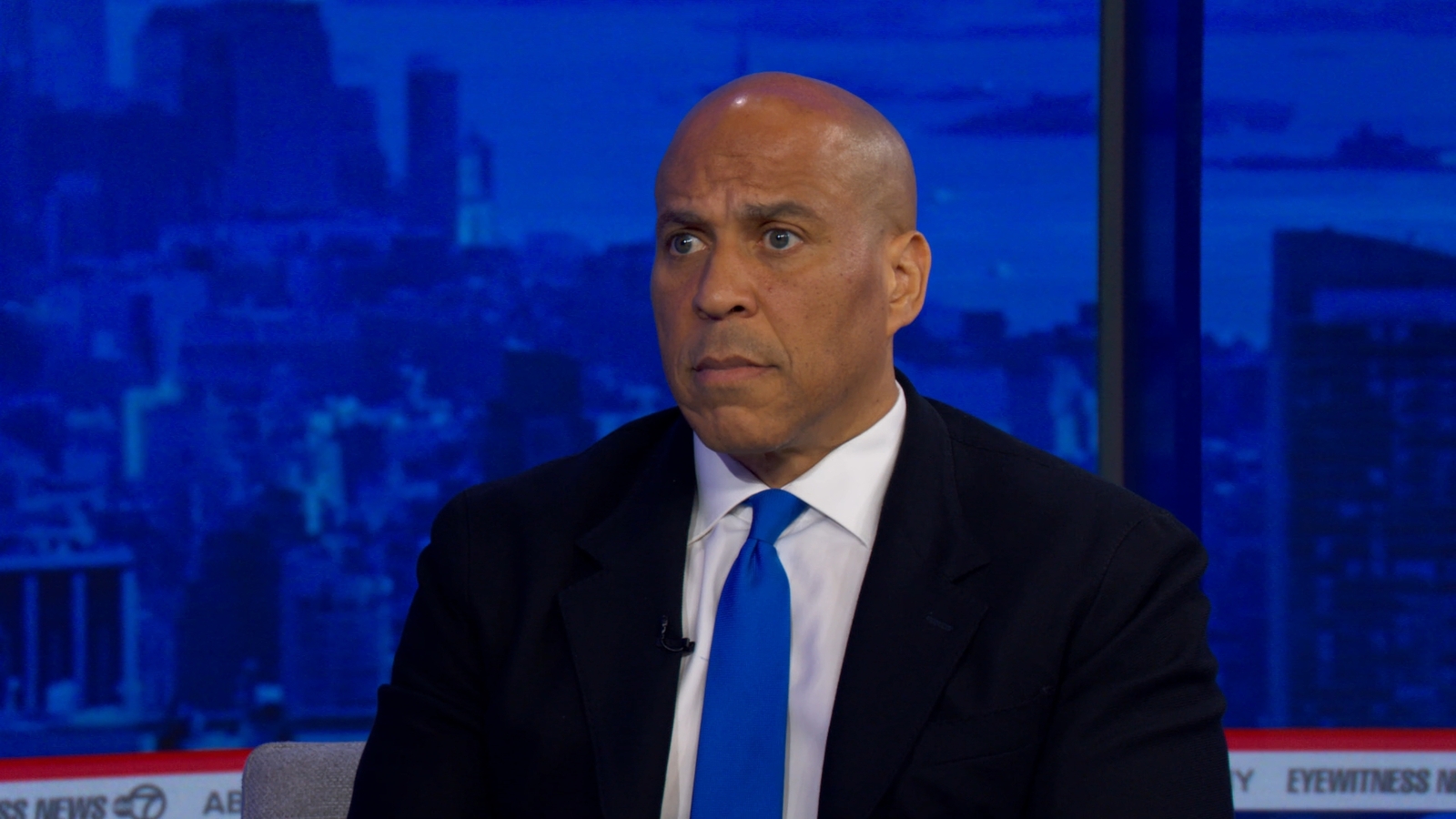
New Jersey Senator Cory Booker, who visited Delaney Hall earlier this week, painted a grim picture of conditions inside the facility. According to ABC7 Eyewitness News, detainees described food rations so poor they often contained maggots, and the only medication available was Tylenol. “What I saw with my own eyes and heard from inmates should shake America’s soul,” Booker said in an interview. The senator’s account aligns with broader reports of a hunger strike among detainees, who have issued a list of demands, including improved medical care and an end to what they call “inhumane treatment.” The strike has drawn support from immigrant rights groups, who have framed the facility as a symbol of systemic neglect in the U.S. detention system.
The conditions Booker described are not new. In 2024, federal inspectors flagged Delaney Hall for overcrowding and sanitation failures, though ICE has repeatedly denied systemic violations. Yet this week’s revelations—coupled with the hunger strike—have reignited scrutiny. Advocates argue the facility’s problems reflect broader failures in ICE’s oversight, while critics of the detention system see Delaney Hall as a microcosm of its flaws. The hunger strike, now in its second week, has become a focal point for protesters, who have camped outside the facility in Newark, demanding its closure or immediate reforms.
Violence Escalates: ICE Agents Assaulted, SUV Vandalized
Outside the facility, tensions boiled over on Saturday, May 30, as protests turned confrontational. According to KOMO News, ICE agents were bitten, threatened with death, and faced physical assaults from protesters. Photos from the scene show an ICE SUV with a shattered windshield and a large concrete block resting on its hood—a clear escalation from earlier peaceful demonstrations. The Department of Homeland Security (DHS) condemned the violence, posting on X:
“Our heroic @ICEgov officers have been bitten and faced death threats and assaults from violent rioters in New Jersey,” DHS wrote. “Thank you to the New Jersey state police for cooperating with us to restore law and order and help keep our officers safe. This partnership sends a clear message: assaults, threats, and abuse towards law enforcement officers WILL NOT be tolerated.”
The vandalism and assaults mark a sharp turn from previous protests, which had largely remained nonviolent despite growing frustration over detention conditions. Yet the violence this weekend has forced a response from New Jersey’s leadership. Governor Mikie Sherrill, who has been a vocal critic of ICE’s detention policies, announced the deployment of the New Jersey State Police’s Public Safety Response Team to secure the area around Delaney Hall. In a statement, she framed the move as necessary to prevent further escalation:
“My top priority is keeping New Jerseyans and our communities safe—and an increased ICE surge in the area outside of Delaney Hall is a threat to public safety,” Sherrill said. “We know that lives would be at risk were that to happen. And I will not accept that risk.”
Sherrill’s decision to intervene reflects a delicate balancing act. While she has previously criticized ICE’s detention practices, her call for state police to maintain order suggests she is drawing a line at outright violence. The governor’s office did not specify how long the deployment would last, but the presence of armed officers outside the facility signals a shift from containment to active suppression of unrest. Meanwhile, immigrant rights groups have condemned the police deployment as an overreach, arguing it will only escalate tensions rather than address the root causes of the protests.
A Flashpoint for Immigration Policy
PROTEST COVERAGE – NEWARK NEW JERSEY DELANEY HALL – ICE DETENTION CENTER PART 1 5/30/2026
Delaney Hall has become more than just a detention facility—it is a battleground over New Jersey’s stance on immigration. The facility, which holds hundreds of detainees, has been a target of protests for months, with activists accusing ICE of violating human rights. The hunger strike and recent violence have amplified the facility’s profile, drawing national attention to Newark as a symbol of the broader immigration debate.
The protests outside Delaney Hall have mirrored those seen at other ICE facilities, such as the Otay Mesa Detention Center in California, where similar conditions and hunger strikes have sparked legal challenges. Yet Delaney Hall’s location in a politically progressive state like New Jersey adds another layer: Sherrill’s administration has been under pressure from both activists and federal authorities to manage the situation carefully. The governor’s decision to deploy state police—while defending it as a public safety measure—could alienate immigrant rights groups, who see it as an attempt to suppress dissent.
The timing of the unrest is also significant. With midterm elections looming in 2026, immigration will remain a contentious issue, and Delaney Hall’s conditions could become a political liability for both ICE and New Jersey’s leadership. Senator Booker, for instance, has used the facility’s failures to push for a “New Deal” on immigration reform, calling for federal oversight and accountability. His comments suggest that the crisis at Delaney Hall could be leveraged into broader policy changes—though whether Congress will act remains uncertain.
What Happens Next?
The immediate question is whether the violence and protests will subside or intensify. Governor Sherrill’s deployment of state police may deter further clashes, but it also risks prolonging the standoff. Meanwhile, ICE has not indicated whether it will scale back operations at Delaney Hall, though the facility’s conditions—and the hunger strike—suggest that detainees are unlikely to back down.
Legally, the detainees’ demands could lead to further scrutiny. If conditions inside the facility are confirmed to violate federal standards, it could trigger inspections or even lawsuits. The hunger strike, in particular, has drawn comparisons to past detainee protests, which have sometimes resulted in court-ordered reforms. Yet without clear evidence of systemic violations, legal action may be limited.
Politically, the crisis at Delaney Hall could reshape the debate over immigration detention. If the hunger strike persists and conditions worsen, it could become a rallying cry for advocates pushing for detention reform. Alternatively, if ICE and state authorities manage to suppress the protests without addressing the underlying issues, the facility could remain a ticking time bomb—ready to explode again at the next spark.
One thing is certain: Delaney Hall is no longer just a detention center. It is a flashpoint for a national conversation about immigration, police accountability, and the limits of federal authority. For now, the focus remains on Newark, where the next few days will determine whether the protests fizzle out—or whether they become a defining moment in the fight over U.S. immigration policy.
cluster (priority): KOMO
Claire Donovan coordinates breaking-news coverage across global time zones. She has reported on elections, social movements, and investigative stories in over ten countries. Known for her calm leadership under pressure, Claire guarantees Globally Pulse delivers news that is fast, factual, and fair.