
A United Airlines Boeing 737-900 carrying 147 passengers and six crew members was diverted to Dane County Regional Airport in Madison, Wisconsin, on Friday night after a 75-year-old passenger allegedly attempted to breach the cockpit in what authorities called an apparent mental health crisis. The incident, which prompted the pilot to activate a hijacking alert code, resulted in the passenger’s detention and no injuries—but raised questions about airline safety protocols and the handling of in-flight emergencies.
How the Flight Became a Crisis
United Airlines Flight 2005 departed Chicago O’Hare International Airport at 8 p.m. local time on Friday, May 29, bound for Minneapolis-Saint Paul International Airport. Less than two hours into the flight, the crew reported a disturbance involving a passenger who, according to Yahoo, was allegedly “ranting in Russian” and attempting to force entry into the cockpit. The pilot transmitted a squawk code 7500—a signal reserved for hijacking situations—which triggered an immediate response from air traffic control and local authorities.

The plane landed safely at Dane County Regional Airport around 9:10 p.m., where Dane County Sheriff’s deputies met the aircraft. The passenger, described by officials as “confused” and experiencing a mental health crisis, was handcuffed and taken into custody. No criminal charges were filed, though the FBI’s Milwaukee Field Office’s Madison Resident Agency took over the investigation. The remaining passengers resumed their journey to Minneapolis, arriving just before 2:30 a.m. Saturday.
The Passenger’s Detention and Family Response
The passenger, a 75-year-old man, was detained by law enforcement aboard the flight, with deputies confirming he posed no immediate threat to others. According to News 3 Now, his family in Minnesota was notified and traveled to Madison to be reunited with him. The Dane County Sheriff’s Office reported no injuries or public safety threats, though the incident left passengers unsettled.

“It was a little bit scary because we didn’t really know what was going on exactly. We kind of started to learn a little bit more about what was going on.”
For more on this story, see United Airlines flight diverted after passenger breaches cockpit, law enforcement involved.
Rundle, who has traveled extensively, described the experience as “one of those situations where you never really expect it to be you.” The uncertainty of the diversion—passengers were initially unaware of the nature of the disturbance—amplified the tension. While no charges were expected, the incident underscored the challenges airlines face in balancing passenger safety with mental health crises mid-flight.
Why the Hijacking Alert Code Was Triggered
The use of squawk code 7500—a signal that alerts air traffic control to a potential hijacking—is rare but well-documented in aviation emergencies. As Yahoo reported, the code allows pilots to contact authorities discreetly, often prompting a rapid response from law enforcement. While the passenger’s actions did not meet the legal threshold for hijacking, the protocol ensured a swift and secure resolution.
FlightRadar24, cited in the Yahoo article, explained that after such a code is transmitted, “security forces tend to get involved,” with military escorts and local authorities often waiting upon arrival. In this case, the FBI’s involvement—though no charges were filed—highlighted the seriousness with which airlines treat potential security threats, even when mental health factors are suspected.
What This Means for Airline Safety and Passenger Trust
The incident, while resolved without harm, raises broader questions about airline protocols for handling unruly passengers, particularly those in mental health distress. The Federal Aviation Administration (FAA) confirmed the flight’s safe landing but did not provide further details on whether the passenger’s behavior would lead to policy changes. However, the diversion—though necessary—disrupted nearly 150 passengers’ travel plans, leaving many with lingering questions about safety and transparency.
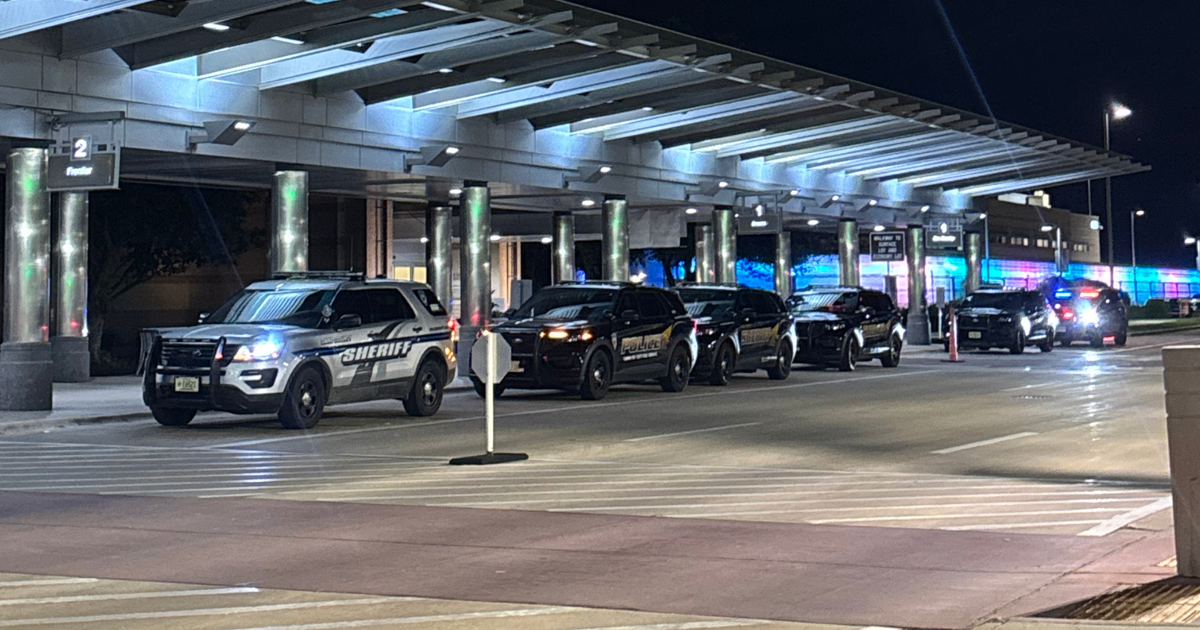
United Airlines, in a statement to ABC7 Chicago, acknowledged the “security concern” but did not elaborate on whether the passenger’s actions violated federal regulations. The lack of criminal charges suggests authorities viewed the incident as a mental health crisis rather than a criminal act, yet the use of the hijacking code signals the severity with which airlines treat even ambiguous threats.
The Aftermath: What Happens Next?
As of Saturday, May 30, the passenger remains in custody, though no further updates have been released. The FBI’s investigation will determine whether any federal laws were violated, though early indications point to a mental health-related incident rather than a criminal one. For United Airlines, the focus will likely shift to internal reviews of crew training and emergency protocols to prevent similar disruptions in the future.
For passengers, the experience serves as a stark reminder of the unpredictability of air travel. While incidents like this are rare, they underscore the importance of clear communication from airlines and authorities during emergencies. The lack of transparency during the diversion—passengers were not immediately informed of the nature of the disturbance—left many feeling uneasy, a sentiment that could influence future trust in airline safety measures.
As airlines continue to navigate the balance between security and passenger well-being, incidents like this will likely prompt discussions about better mental health support for travelers in distress. For now, the focus remains on ensuring such situations are handled with both urgency and compassion.
