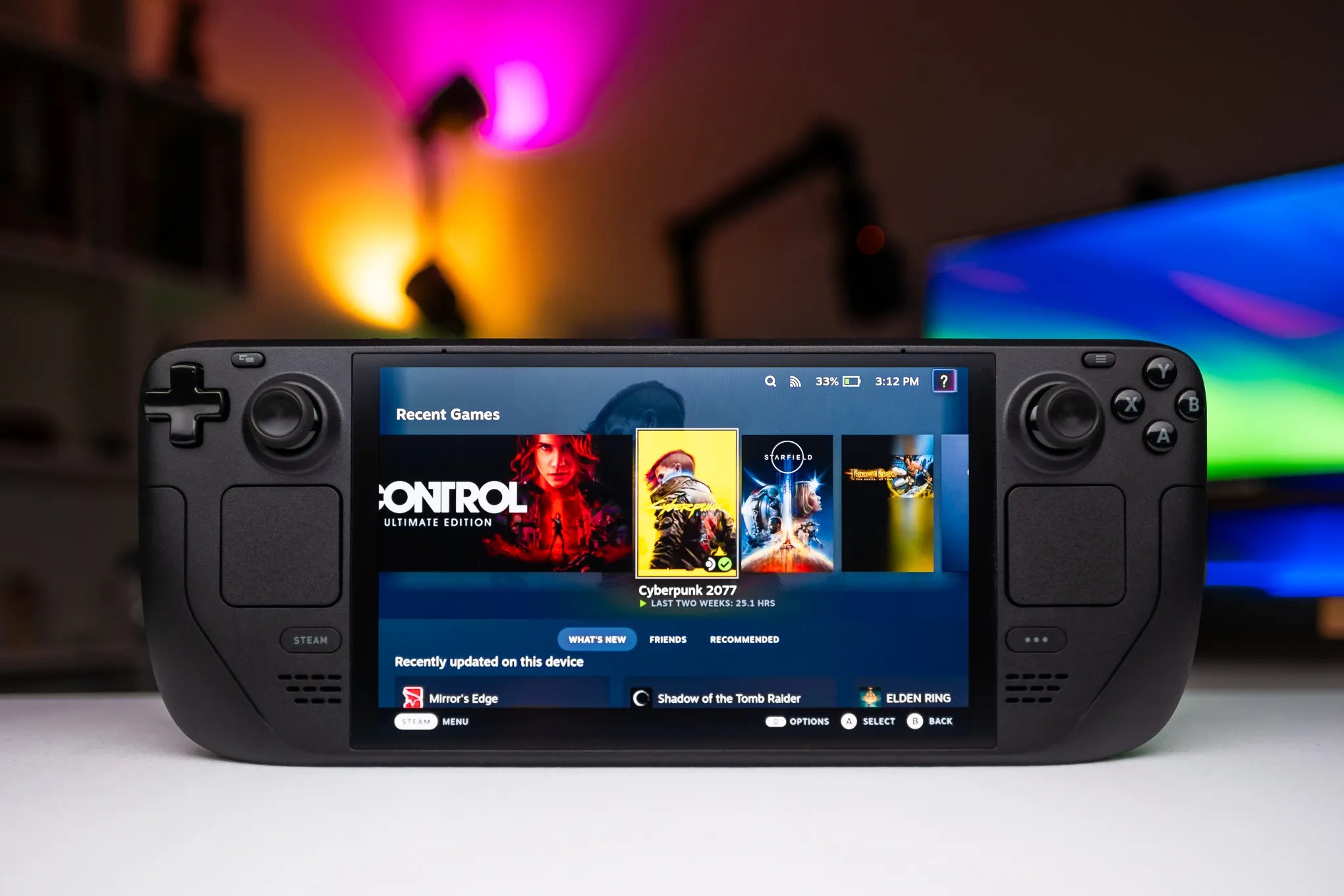
The End of Affordable Handheld Gaming
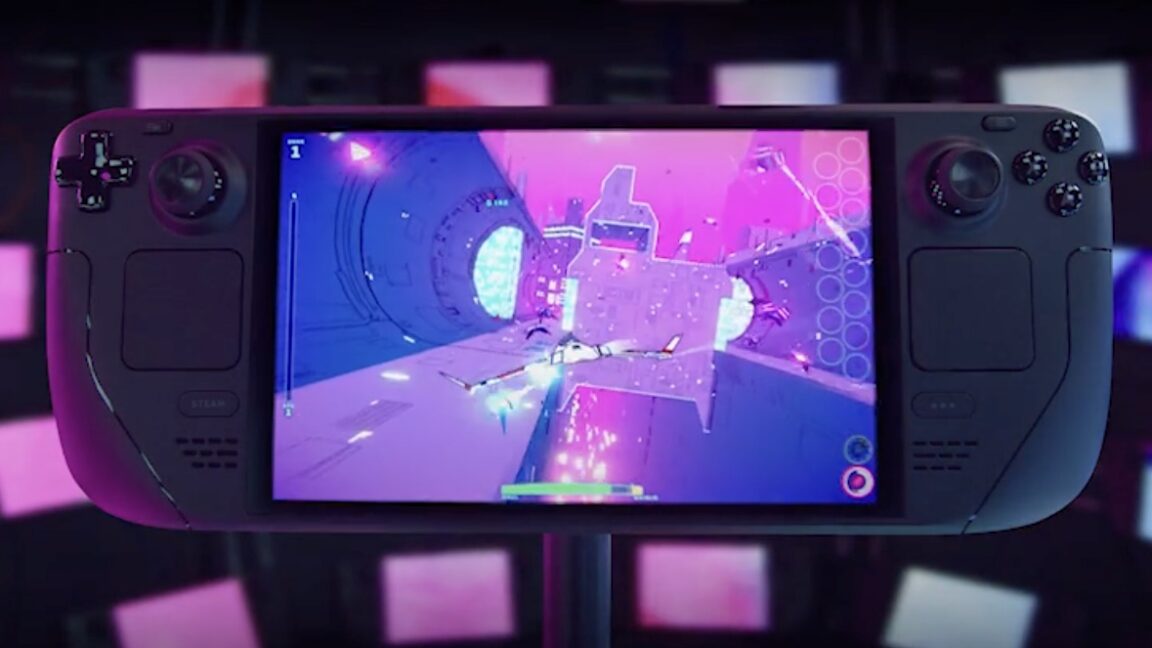
For a brief window starting in 2022, the Steam Deck redefined the expectations for portable PC gaming. By offering a functional, high-performance device for $399, Valve made the dream of mobile, console-quality gaming accessible to a mass audience. That era, defined by aggressive pricing and hardware accessibility, has effectively concluded.
As reported by The Verge, current market conditions—fueled by what industry observers call “RAMageddon,” rising tariffs, and a surge in demand for AI-focused data center components—have pushed the cost of handheld hardware into luxury territory. The price hikes are not isolated to Valve; Nintendo is preparing to launch its next-generation handheld experience at $499, while competitors like Lenovo and Asus have seen their device pricing escalate significantly. The Lenovo Legion Go S is now priced at $1,579.99, nearly double its original launch cost, and the MSI Claw 8 AI Plus has jumped from $1,000 to $1,299.
Component Shortages and Valve’s Pricing Strategy

The recent price adjustments on Valve’s official store are a direct response to supply chain volatility. According to Engadget, the 512GB OLED model has increased from $549 to $789, while the 1TB model—which includes an anti-glare screen and exclusive digital extras—has seen a $300 hike, moving from $649 to $949. Valve addressed the changes in a statement, noting that the device itself remains unchanged.
“Steam Deck itself hasn’t changed; these new prices reflect the current state of component costs and other global logistical challenges across the industry as a whole,” Valve said in an announcement. “We’ll keep you updated if anything changes.”
The shortages of RAM and storage, which have plagued the consumer technology sector since the fall of 2025, forced the Steam Deck off shelves for several months starting in mid-February, Ars Technica reported. While the devices are now back in stock and shipping within three to five days, the entry-level $399 LCD model has been discontinued, leaving consumers with fewer budget-friendly options.
Ominous Signs for Future Valve Hardware
The current pricing climate has cast a shadow over Valve’s upcoming hardware initiatives, specifically the rumored Steam Machine and Steam Frame. Industry analysts are closely monitoring these developments, as the cost of entry for new Valve products appears to be trending upward.
TechPowerUp notes that industry insider Brad Lynch, known for accurate reporting on Valve’s roadmap, has suggested that the pricing for the Steam Machine was already projected to be high months ago. Based on Lynch’s intelligence, the anticipated price point for the upcoming hardware was “still higher than today’s Steam Deck prices.”
This suggests that the Steam Machine may launch at a price exceeding the $949 mark currently attached to the top-tier Steam Deck OLED. While Valve has not provided official confirmation regarding the specs or cost of these future devices, the company has previously indicated that it would not be pricing the Steam Machine with the same aggressive, loss-leading strategy it employed for the original Steam Deck launch.
Market Implications and the Luxury Shift

The shift toward higher prices is fundamentally changing the handheld market. As one analyst noted, “Console gaming is continuing its slow and steady march towards becoming a niche, luxury good.” This transition is compounded by the fact that many of these devices are now priced similarly to high-end desktop PCs, forcing consumers to weigh the convenience of a handheld against the raw power of a stationary rig.
For those still seeking a lower cost of entry, the secondary or refurbished market remains the only viable path. Refurbished LCD-based Steam Deck units remain available for $359, though even the prices for refurbished OLED models have experienced upward pressure, with the 512GB unit now listed at $629 and the 1TB model at $759.
As the industry continues to navigate “changes in market conditions,” the consumer experience is becoming increasingly fragmented. With major players like Microsoft and Sony also adjusting their pricing structures, the expectation that gaming hardware should become more affordable over time has been effectively inverted. Whether this represents a temporary correction or a long-term recalibration of the gaming industry remains the primary question for the remainder of 2026.
