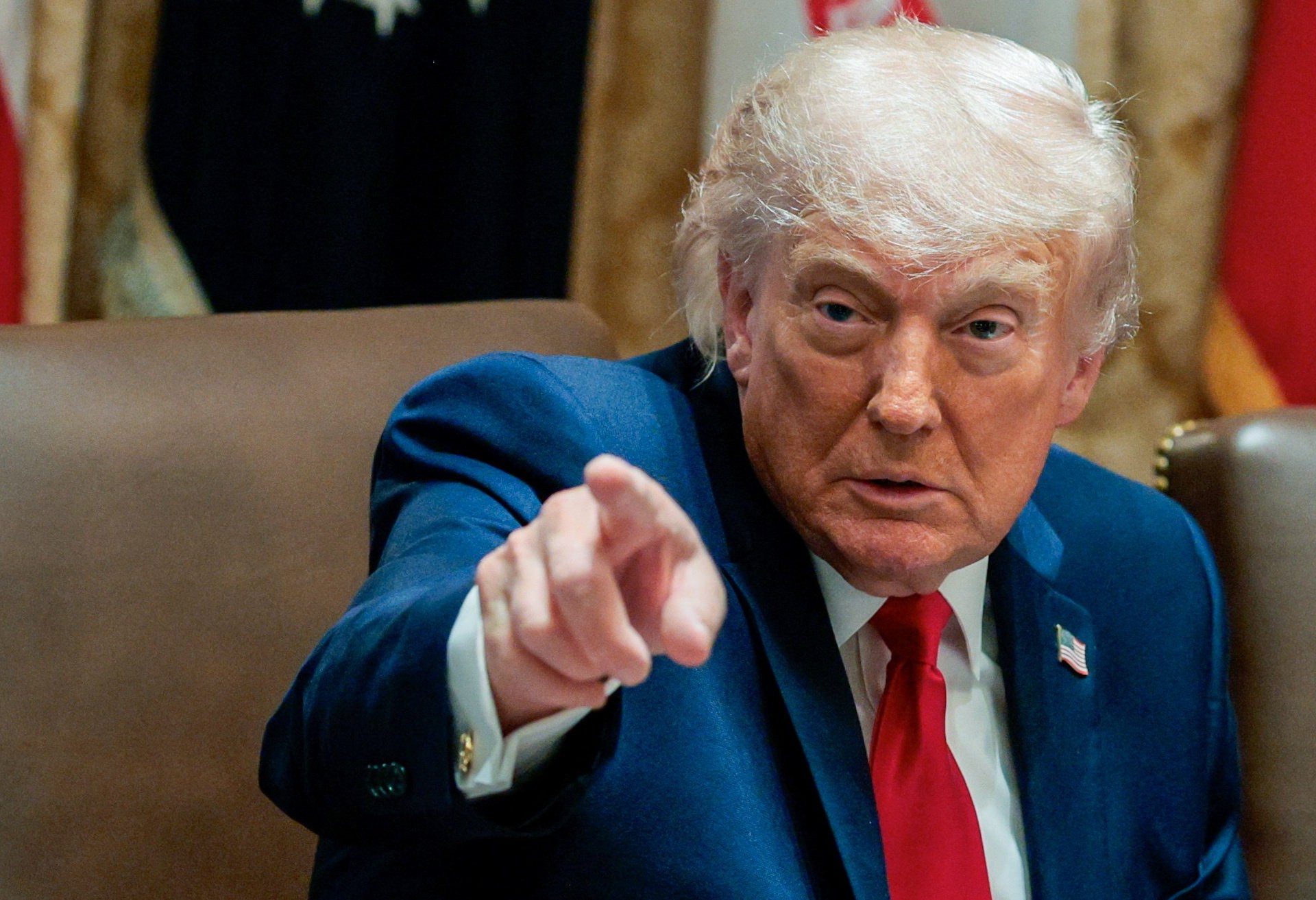
President Donald Trump faces a critical juncture as he weighs a potential U.S.-Iran deal to de-escalate the conflict, with Tehran insisting negotiations remain unresolved and Washington hinting at a $1.5 trillion defense investment. Al Jazeera and CBS News highlight the fragile state of talks, marked by conflicting claims and regional tensions.
Iran’s Stance and Negotiation Dynamics
Iran’s chief negotiator, Mohammad Bagher Ghalibaf, emphasized that any agreement would be judged by actions, not words, as the Islamic Republic rejected U.S. demands-based tactics. Iranian Foreign Ministry spokesperson Esmaeil Baghaei reiterated that no final deal had been reached, calling the U.S. naval blockade illegal and vowing that Tehran would only ease restrictions if Washington acted first. Al Jazeera reported that Ghalibaf’s remarks underscored Tehran’s skepticism, while the U.S. Central Command (CENTCOM) maintained a visible military presence in the region, sharing images of an F-16 patrol over the Middle East.
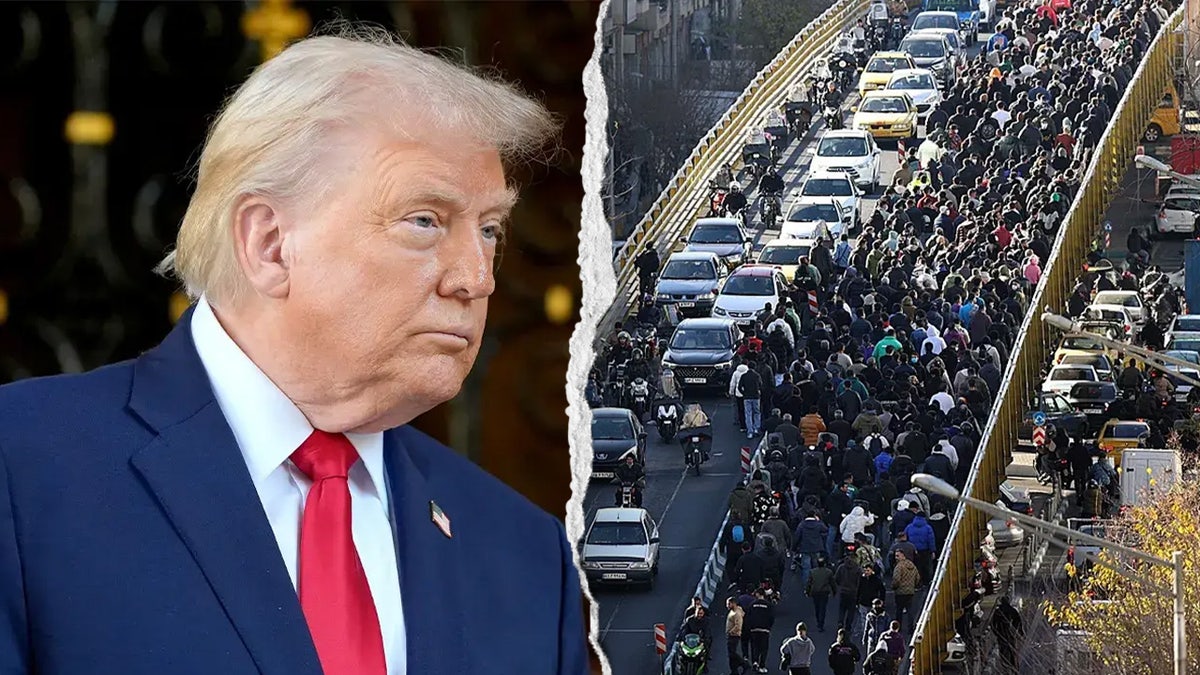
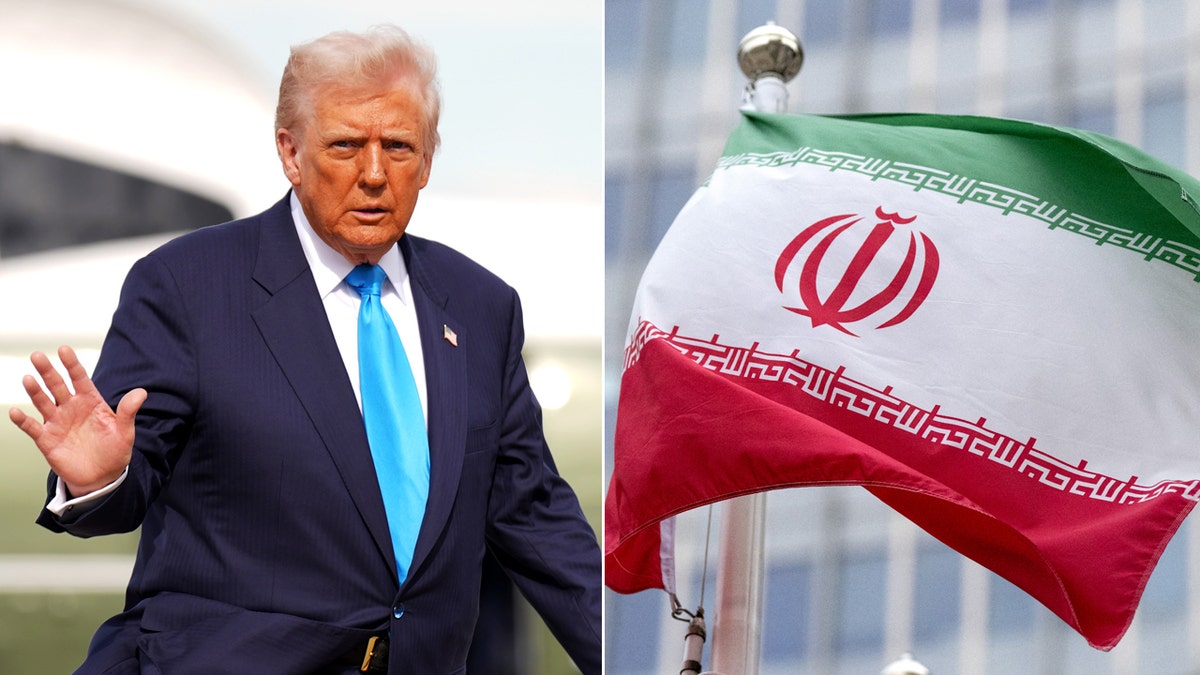
CBS News cited Iran’s semi-official Fars news agency, which described Trump’s “claims about the Iran deal” as a “mixture of truth and lies.” The report questioned Trump’s demand that Iran reopen the Strait of Hormuz without tolls, citing unnamed Iranian officials who denied such a clause existed in the draft agreement. CBS News noted that Iran insisted it would only open the strait under its “predetermined arrangements,” which could include monitoring ships or providing security services. The Fars report also disputed Trump’s assertion that Iran was destroying its nuclear material, calling the claim “fundamentally unfounded.”
For more on this story, see U.S. Stocks Hit Records as Oil Drops on Iran Ceasefire Hopes.
US Defense Strategy and Regional Implications
U.S. Defense Secretary Pete Hegseth, speaking at the Shangri-La Dialogue in Singapore, outlined a $1.5 trillion investment in defense, framing it as a historic expansion of America’s military-industrial base. Al Jazeera reported that Hegseth urged allies to spend at least 3.5% of GDP on defense, warning that countries failing to meet this threshold could face strained relations with Washington. The Pentagon also praised recent military-to-military talks between Israel and Lebanon, describing them as “productive” and reaffirming support for Lebanon’s sovereignty.
Meanwhile, Israeli Prime Minister Benjamin Netanyahu claimed forces had advanced beyond Lebanon’s Litani River, with Israeli attacks leaving dozens of civilians reportedly killed or wounded. Al Jazeera noted that these developments complicate regional stability, even as U.S. officials sought to frame the Iran deal as a path to broader peace.
Uncertainty and the Path Forward
White House officials remain divided on the deal’s specifics, with Al Jazeera’s Alan Fisher reporting that no clarity emerged from Trump’s Situation Room meeting. While some signals, such as potential easing of restrictions around the Strait of Hormuz, could indicate progress, concrete details remained elusive. Al Jazeera quoted officials as saying they awaited further clarification from the administration.
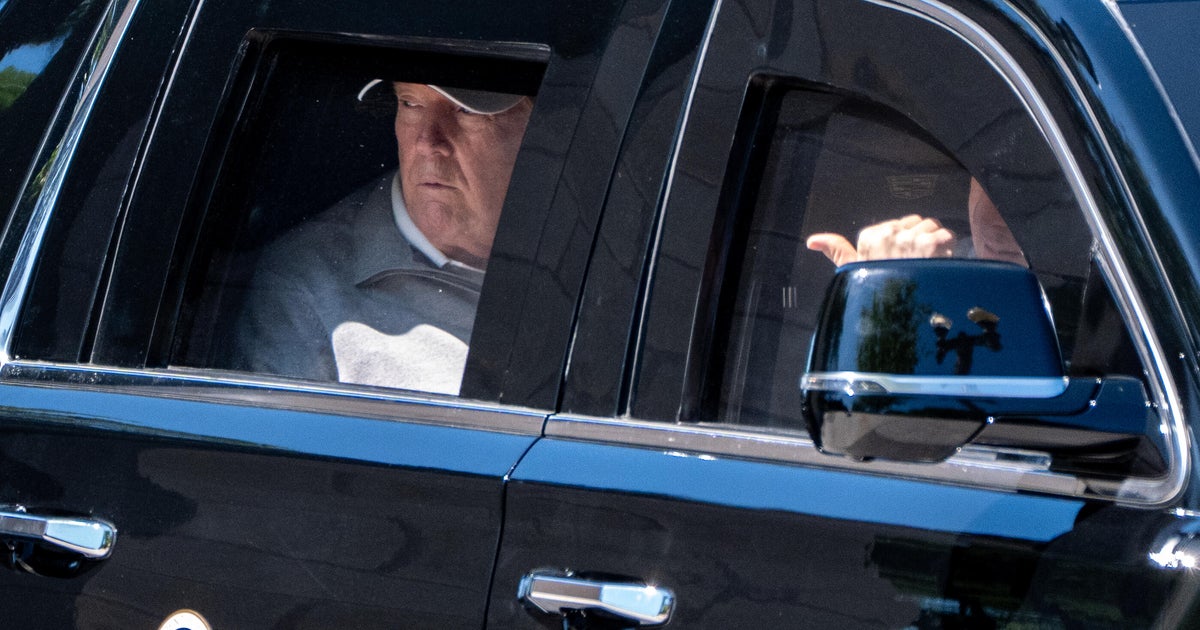
This follows our earlier report, US Military Disables Cargo Ship Attempting to Breach Iran Port Blockade.
CBS News highlighted a key discrepancy: while Trump’s social media post claimed “no money will be exchanged, until further notice,” the Fars report cited a draft agreement that included the U.S. accepting the immediate release of $12 billion in frozen Iranian assets. This contradiction underscores the challenges of reconciling competing narratives, even as both sides acknowledge the deal’s potential to reshape the Middle East.
What’s at Stake
The outcome of these negotiations could determine the trajectory of U.S.-Iran relations and regional security. A successful agreement might ease tensions in the Strait of Hormuz, a vital shipping lane, and pave the way for renewed nuclear talks. However, Iran’s insistence on conditional steps and Trump’s demand for immediate concessions risk prolonging the standoff. CBS News noted that the deal’s fate hinges on whether both sides can reconcile their priorities, with the U.S. blockage of Iran’s assets remaining a sticking point.
As Trump prepares to make his “final determination,” the world watches to see if diplomacy can prevail over escalating conflict. The coming days will test not only the viability of the proposed pact but also the broader U.S. strategy in a region where alliances, interests, and risks are in constant flux.
