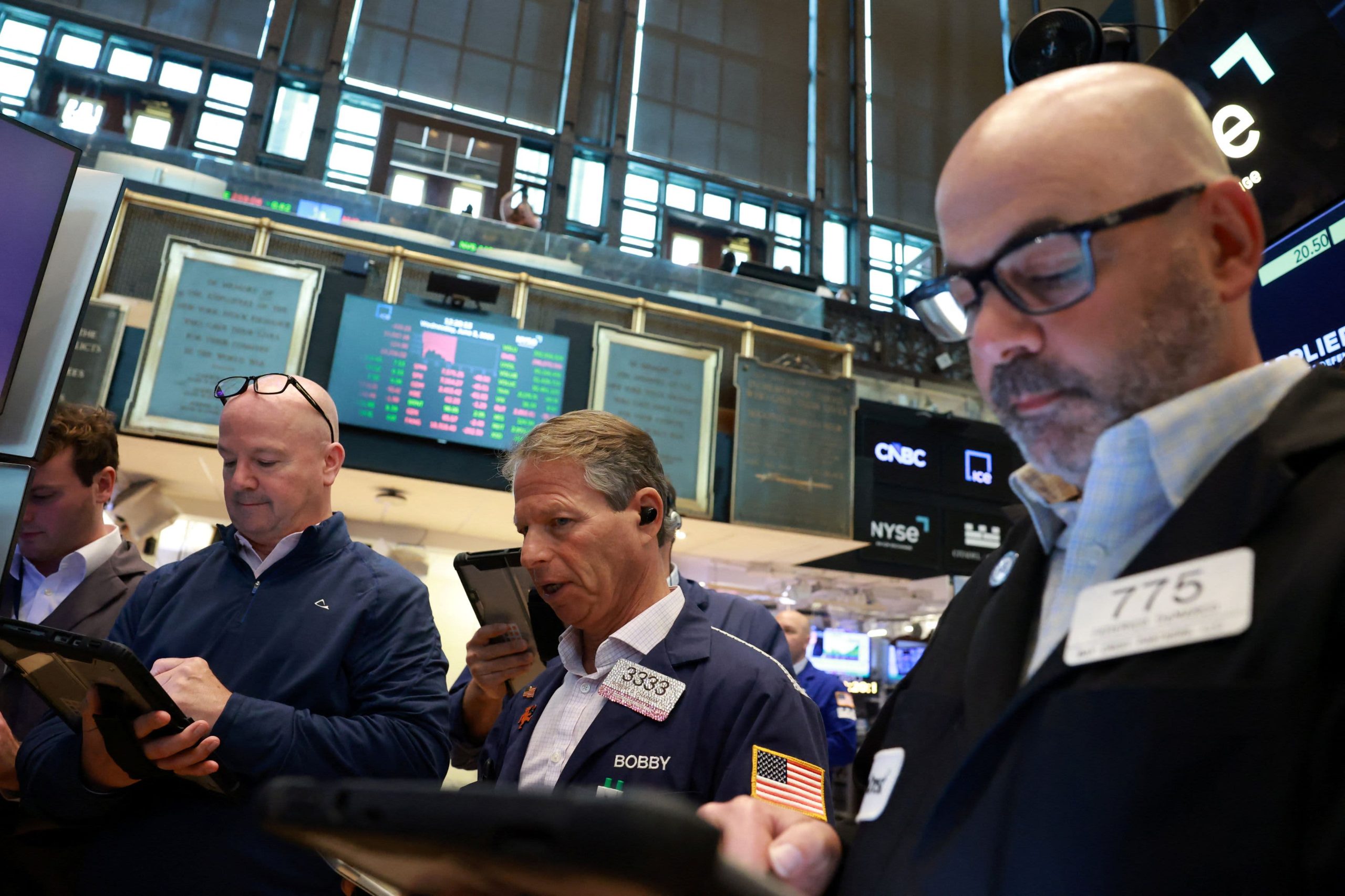
The Dow Jones Industrial Average fell 650 points, or 1.3%, on Wednesday as President Donald Trump signaled dissatisfaction with the pace of negotiations with Iran and threatened further military action. The S&P 500 and Nasdaq Composite declined 0.8% and 1.1%, respectively, amid rising geopolitical tensions and a cooling, though still elevated, inflation report.
Geopolitical Tensions and the Impact on Oil Prices
Market volatility intensified Wednesday after President Trump, writing early in the morning, stated that Iran had “taken too long to negotiate a deal” and warned that “they will have to pay the price,” according to CNBC. This rhetoric followed a series of military engagements in the Middle East; U.S. Central Command reported that American forces launched strikes against Iran following the downing of a U.S. Army Apache helicopter near the Strait of Hormuz.
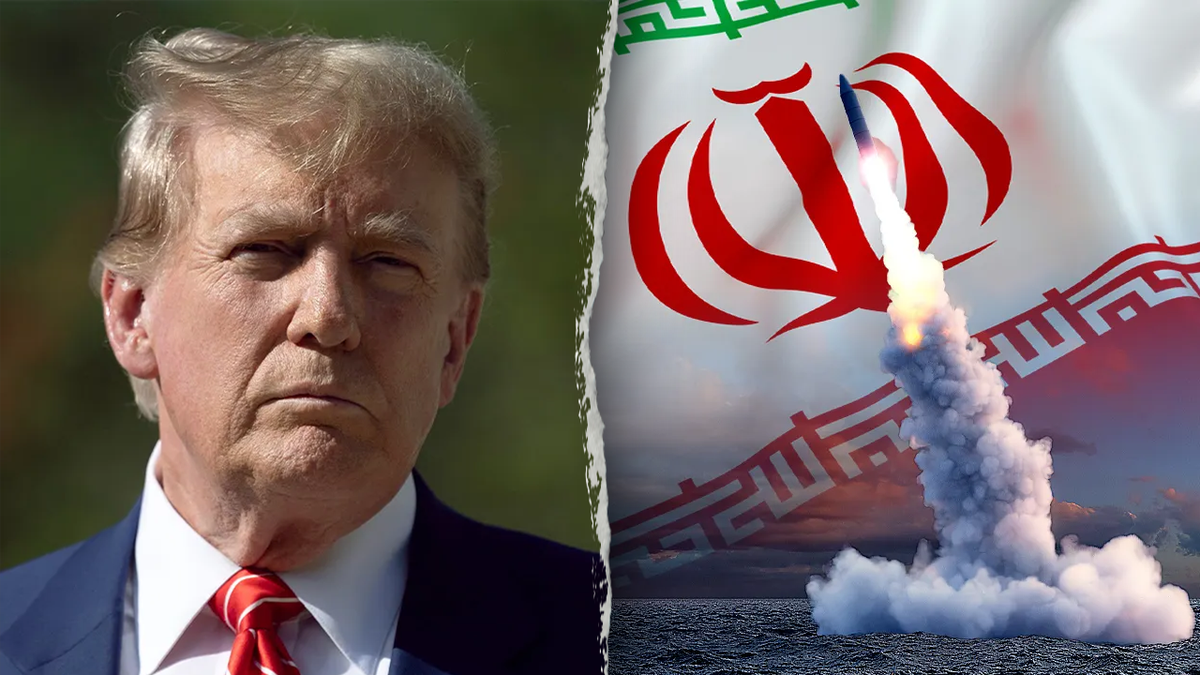
The escalation significantly impacted energy markets. West Texas Intermediate crude futures climbed 2.8% to exceed $90 a barrel. For investors, the uncertainty creates a difficult landscape. “The Iran war story is really consequential,” said Jed Ellerbroek, a portfolio manager at Argent Capital Management, as reported by CNBC. “Either investors are going to be proven right, that [there’s] nothing to worry about, Trump will take care of it, we’ll get a deal with Iran and the strait will open up, but if not, it feels like oil prices are going to have to go up a lot.”

The Strait of Hormuz is widely recognized by global energy analysts as the world’s most important oil transit chokepoint, through which a significant portion of the world’s total petroleum liquids consumption passes daily. Historically, any sustained disruption in this region triggers immediate risk premiums in global energy markets due to fears of supply chain constriction. The current volatility mirrors historical precedents from previous regional conflicts where traders reacted to potential supply bottlenecks by aggressively bidding up futures contracts.
For more on this story, see Chipmakers Lead U.S. Futures Surge as Oil Drops on Iran Talks.
Inflation Data and Federal Reserve Policy
While geopolitical friction dominated the headlines, investors also parsed the latest monthly Consumer Price Index (CPI) reading released Wednesday. Core CPI, which excludes volatile food and energy prices, rose 0.2% for the month, coming in slightly below the 0.3% estimate. On an annual basis, core CPI stood at 2.9%, which remains above the Federal Reserve’s 2% target.
The headline annual inflation rate, which accounts for all categories, climbed above 4% for the first time in three years. This data reinforces the “tug-of-war” currently defining market sentiment, as noted by Yahoo Finance. Investors are balancing optimism regarding artificial intelligence against growing concerns that persistent inflation could force the Federal Reserve to maintain higher interest rates throughout 2026. Under the Federal Reserve’s dual mandate, the central bank is tasked with promoting maximum employment and stable prices; persistent inflation above the 2% target typically compels the Federal Open Market Committee (FOMC) to keep the federal funds rate elevated to dampen aggregate demand.
This follows our earlier report, Iran Oil Prices Surpass $94 After Escalation.
Chip Sector Volatility and Upcoming Market Events
The technology sector, particularly chipmakers, faced renewed selling pressure on Wednesday. Shares of Micron Technology, Advanced Micro Devices, and Broadcom declined, continuing a trend that saw the iShares Semiconductor ETF drop 10% late last week. While the ETF has posted gains of more than 80% this year, recent trading has been characterized by sharp pullbacks.

Analysts suggest two primary drivers for the current rotation. Some traders believe retail investors are liquidating high-performing chip stocks to raise capital for the upcoming SpaceX initial public offering (IPO) on Friday, which is expected to be the largest in history. Others view the movement simply as profit-taking following a period of intense buying. The broader market landscape remains uneasy; as Ellerbroek noted, “[In] this investing environment, it’s impossible to be comfortable.”
Read also: S&P 500 Little Changed Amid Oil Surge, Iran Tensions.
Beyond SpaceX, the IPO pipeline remains active. Yahoo Finance reported that OpenAI recently filed paperwork for an IPO, following a similar move by rival Anthropic. Both artificial intelligence firms are positioned to potentially enter public markets as early as this fall, adding another layer of complexity to the tech-heavy Nasdaq’s outlook. Market participants often observe that during periods of high-profile IPO activity, existing holdings in sectors like semiconductors may face liquidity-driven outflows as institutional and retail investors reallocate capital to capture new growth opportunities in emerging technology sectors.
Find more reporting in our Business section.
