
U.S. and Iranian forces exchanged strikes on June 10-11, 2026, as tensions escalated in the Middle East, with the U.S. targeting Iranian military infrastructure and Iran attacking U.S. bases in Kuwait, Bahrain, and Jordan, according to multiple reports.
US Strikes Target Iranian Military Infrastructure
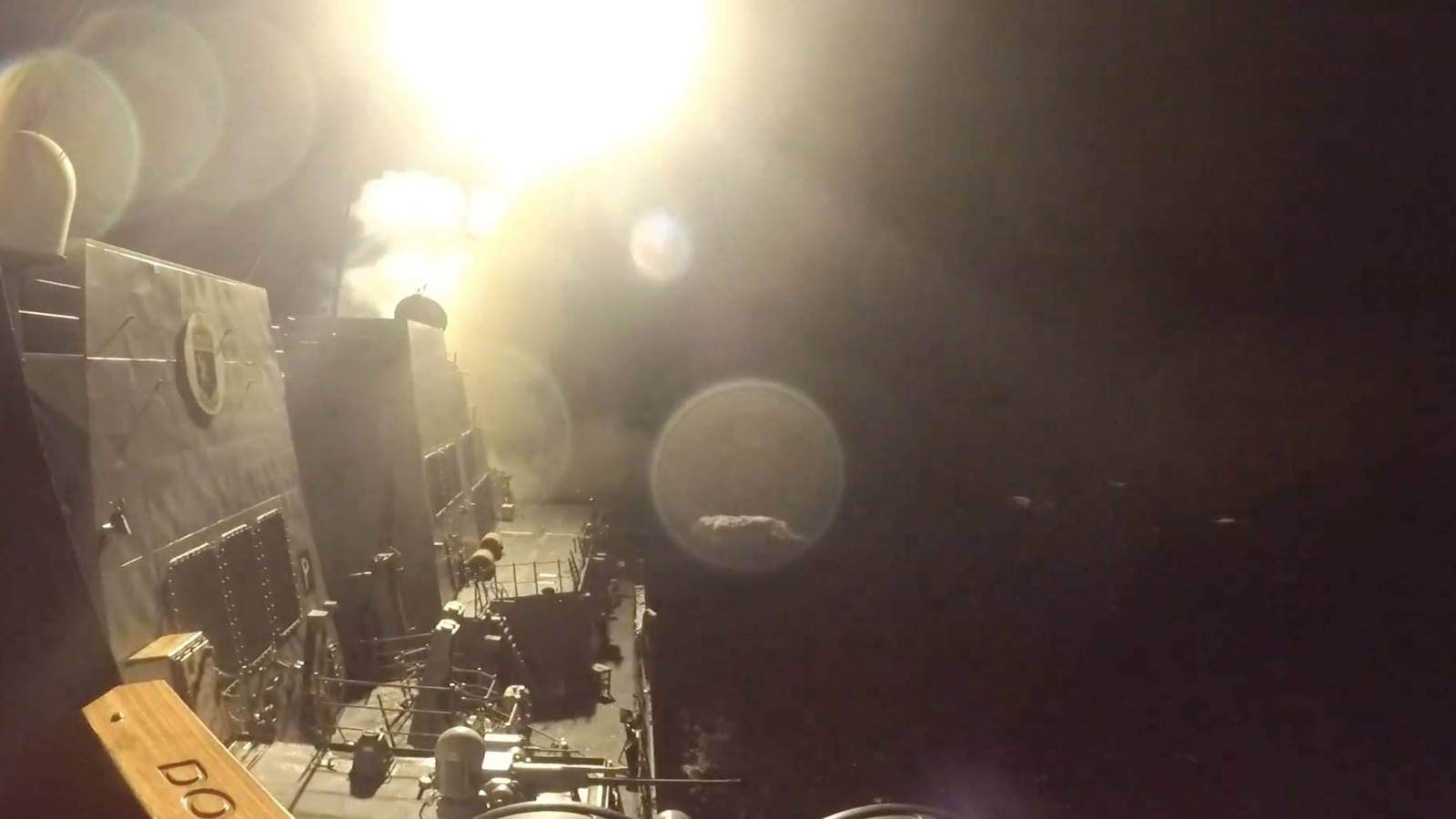
U.S. Central Command (CENTCOM) confirmed it completed “additional self-defense strikes” against Iranian targets, including military surveillance systems, communication networks, and air defense sites, in response to “Iran’s unwarranted and continued aggression,” according to ABC News. The operation involved precision munitions launched by U.S. Marine Corps, Air Force, and Navy assets, aiming to protect U.S. forces and commercial shipping in the region.
CENTCOM did not specify the exact number of targets but emphasized the strikes were a direct response to Iran’s recent attacks. The move follows President Donald Trump’s warning that Iran would “pay the price” for stalled peace negotiations, as reported by DW.
Iranian Attacks Target US Bases in Gulf
Iran’s Islamic Revolutionary Guard Corps (IRGC) claimed responsibility for attacking U.S. military facilities in Kuwait and Bahrain, citing the U.S. strikes as justification. The IRGC reported hitting “eighteen important targets” at Al-Azraq Air Base in Jordan, which hosts U.S. forces, and the Sheikh Isa Air Base in Bahrain, according to DW. The attacks involved 12 ballistic missiles, with reports of air defense systems in Kuwait and Bahrain engaging “hostile aerial targets.”
For more on this story, see Iran strikes Kuwait airport, killing 1, injuring 63 amid U.S. retaliation.
Kuwait temporarily closed its airspace due to the Iranian strikes, diverting flights, while Bahrain’s Ministry of Interior urged citizens to seek shelter as sirens sounded. The U.S. Embassy in Jordan issued a “shelter in place” advisory after reports of missiles in Jordanian airspace, as noted by DW.
This follows our earlier report, Trump vows ‘hard’ Iran strikes after Apache helicopter downed in Strait of Hormuz.
Regional Fear of Escalation
The clashes have raised fears of a broader regional conflict, with the UN Secretary-General, Antonio Guterres, calling for de-escalation. The U.S. and Iran have been engaged in a cycle of retaliation since March 2026, with both sides accusing the other of destabilizing the region. NBC News reported that a civilian in Iran expressed concerns about the war’s impact on President Trump’s presidency, highlighting the domestic political stakes.
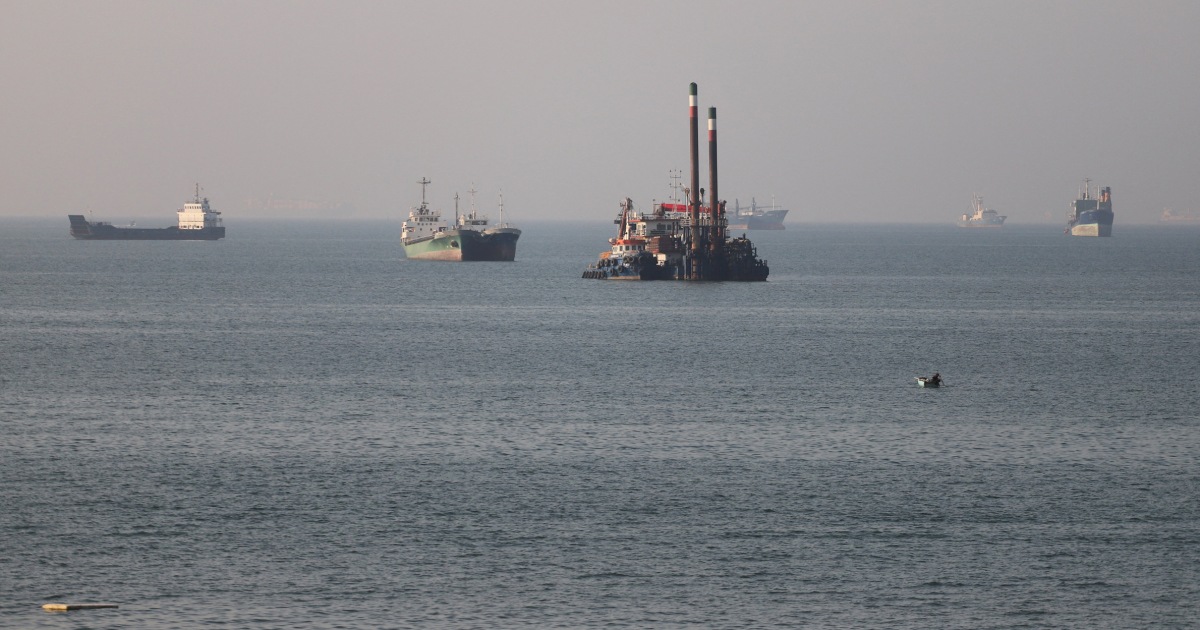
Analysts note the conflict’s potential to disrupt global trade routes, particularly in the Strait of Hormuz, which is critical for oil shipments. The U.S. has reinforced its naval presence in the area, while Iran has warned of further attacks if U.S. pressure continues.
Read also: Trump Blames Iran for Downing U.S. Helicopter in Hormuz, Vows Retaliation.
What Happens Next?
The immediate focus is on whether the U.S. will conduct additional strikes or if Iran will launch more attacks. Diplomatic efforts to mediate the conflict are ongoing, but progress remains uncertain. The U.S. has emphasized its readiness to act “lethally and vigilantly,” as stated by CENTCOM in ABC News. Meanwhile, regional allies like Saudi Arabia and the UAE are monitoring the situation closely, wary of becoming entangled in the conflict.
For now, the cycle of retaliation shows no sign of abating, with both sides framing their actions as self-defense. The coming days will determine whether the conflict remains contained or spirals into a broader war.
Find more reporting in our News section.
